
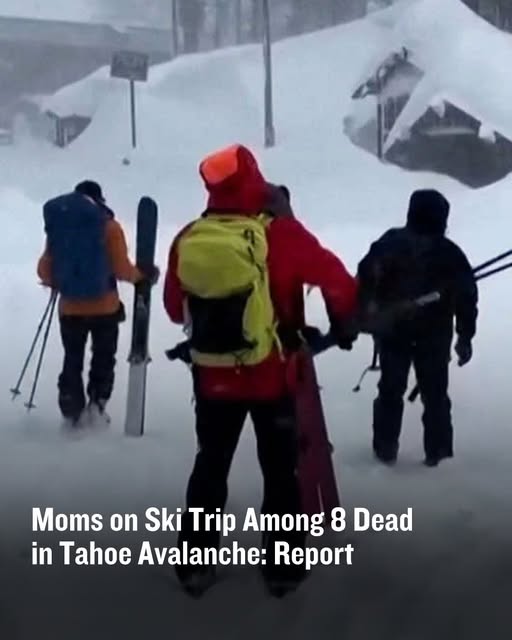
A massive avalanche struck in the Castle Peak area of Tahoe National Forest in northern California on February 17, 2026, killing at least eight backcountry skiers and leaving one person missing and presumed dead. The incident occurred amid a powerful winter storm that brought heavy snow, strong winds, and high avalanche risk across the Sierra Nevada mountains. This avalanche has been described by authorities as one of the deadliest in the United States in decades.
The group, organized by Blackbird Mountain Guides, consisted of 15 people — 11 clients and four guides — who were concluding a three‑day backcountry skiing trip near Lake Tahoe. Officials said the avalanche struck while the skiers were returning from remote huts known as Frog Lake when unstable snow conditions triggered the slide.
Victims Included Ski‑Team Parents
Among the deceased were several mothers who regularly participated in an annual ski trip tradition and whose children belonged to a local skiing community. Many of the skiers had ties to the Sugar Bowl Academy and ski teams in the Tahoe region, though the trip itself was not an official school outing. Most of those killed were women, and identities have not been publicly released pending family notifications. One of the victims was the spouse of a member of a local search and rescue team, adding a deeply personal dimension to the tragedy for rescue personnel involved in the operation.
Rescue Efforts and Survivors
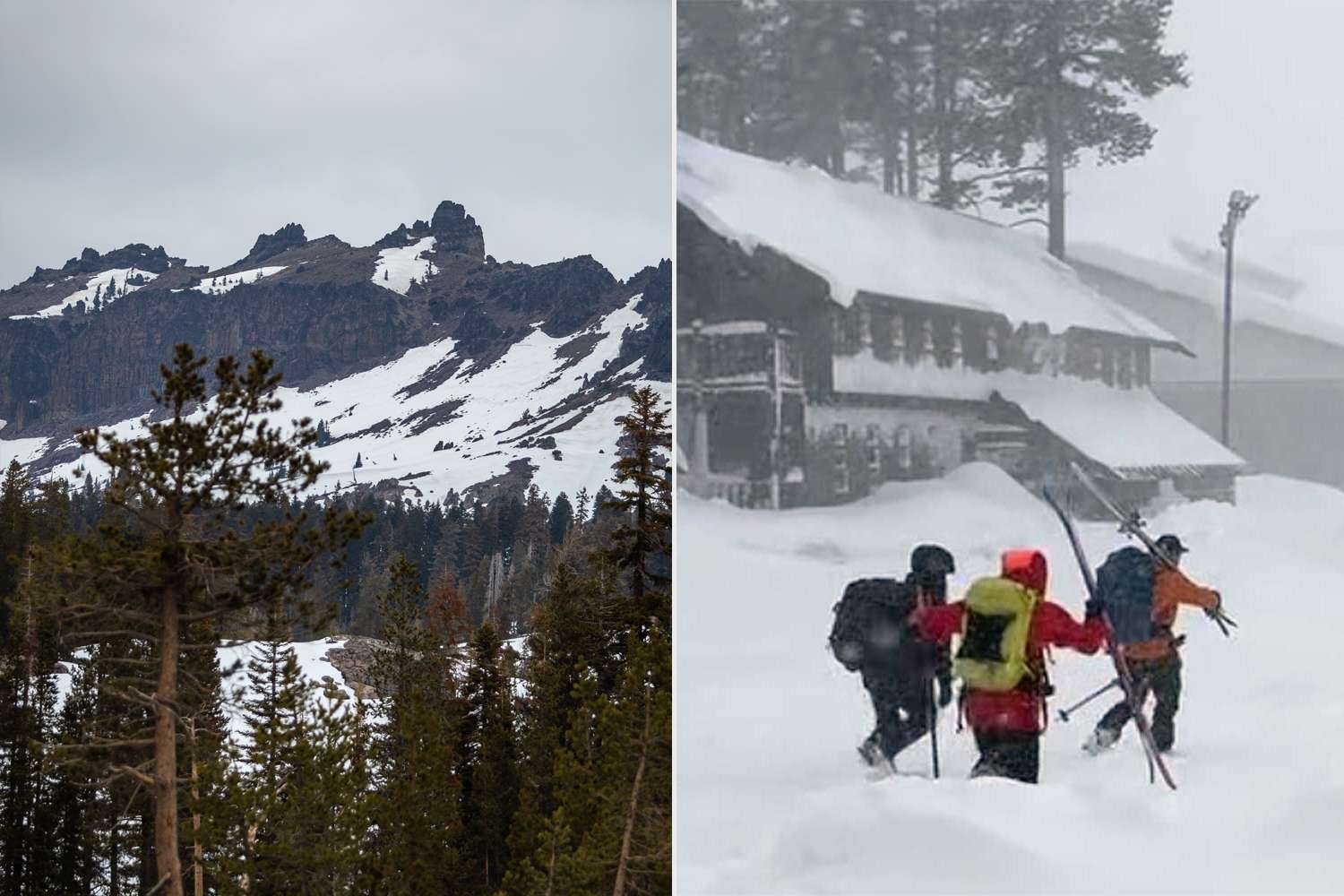
Emergency crews faced extreme weather conditions, blinding snow, and rugged terrain, complicating response efforts. Six people survived the avalanche; they sheltered under an improvised tarp and used emergency beacons and messages to communicate with rescuers before help arrived. Two survivors were hospitalized with non‑life‑threatening injuries, and one was released shortly after. Search and rescue operations have since shifted from rescue to recovery mode as weather continues to hamper efforts to reach the missing skier safely.
Avalanche Conditions and Warning Context
The Sierra Avalanche Center had issued high‑risk warnings ahead of the trip due to rapid snowfall, weak layers in the snowpack, and gale‑force winds that can dramatically increase avalanche danger. Despite these warnings, the group proceeded with the backcountry expedition — a decision now under review by authorities. Avalanches are more likely in backcountry areas away from controlled resort terrain, especially during major storms when heavy snow accumulates rapidly on unstable layers. The region has experienced numerous avalanche incidents in recent seasons, and avalanche risk remains high for the foreseeable future.
Community Impact and Condolences
Officials, community members, and state leaders have expressed profound sorrow over the loss of life. Locals describe the victims as part of tight‑knit alpine communities, with strong connections to youth ski programs and families throughout the Tahoe and San Francisco Bay areas. Support networks and grief resources are being mobilized for those affected. Governor Gavin Newsom and other public figures offered messages of condolences, while local sheriffs highlighted the difficulty and emotional toll of the recovery mission on first responders.
What Comes Next
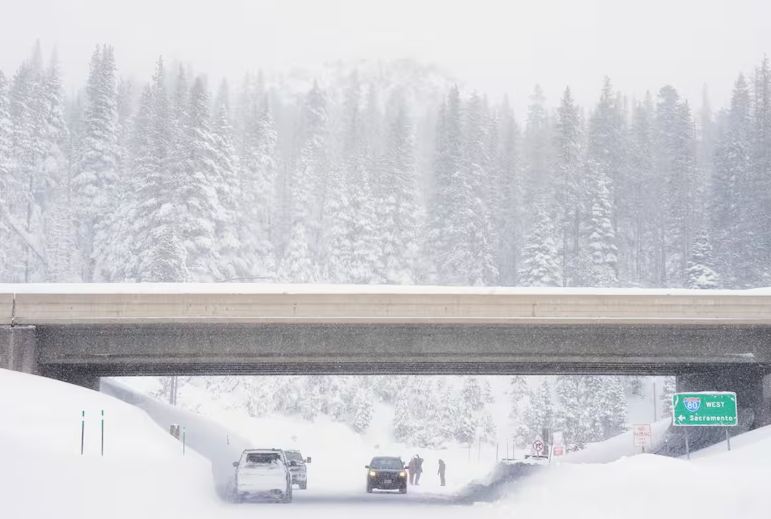
With winter storms continuing in the region, officials urge the public to avoid entering high‑risk avalanche terrain. Investigations into the exact sequence of events and the group’s decision‑making in the face of warnings are ongoing. The focus remains on recovering the missing skier and supporting the families and communities devastated by this tragedy.