
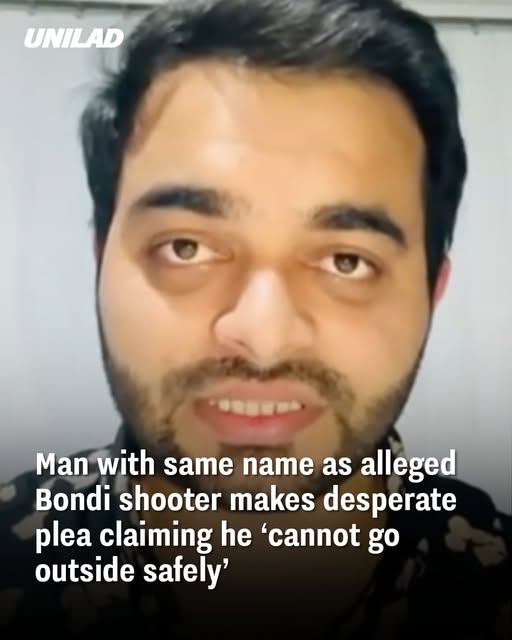
In the aftermath of the deadly Bondi Beach attack, the focus has not only been on the investigation and the victims, but also on an unexpected consequence affecting an innocent man. A man who happens to share the same name as the alleged attacker has come forward with an emotional plea after being mistakenly linked to the tragedy online.
The situation highlights how misinformation and rushed assumptions can quickly spiral in the digital age, creating real-world harm for people with no connection to violent events.
Mistaken Identity Sparks Online Harassment
Shortly after authorities identified the suspect involved in the Bondi Beach attack, social media platforms were flooded with posts naming the alleged perpetrator. Within hours, another man — who shares the same name but lives a completely separate life — began receiving abusive messages, threats, and accusations from strangers. The man said he was shocked by the sudden attention and fear that followed. Despite having no involvement whatsoever in the incident, he found himself being targeted simply because of his name. The harassment reportedly escalated rapidly, forcing him to address the issue publicly.
“I Am Not the Person You Are Looking For”
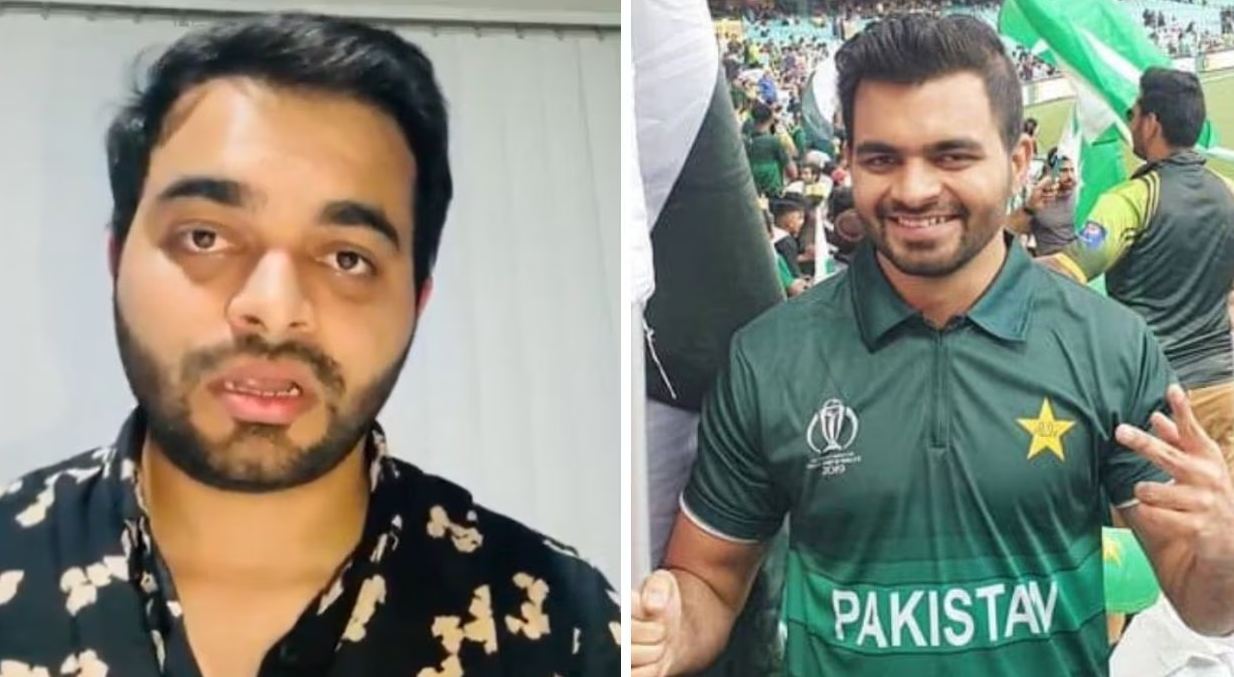
In a statement shared online, the man made a direct plea for people to stop spreading misinformation. He stressed that he has no connection to the attack, no relationship with the suspect, and no involvement in any criminal activity. He explained that his name is relatively common and urged people to verify information before reacting emotionally or sharing posts. According to him, the online abuse had caused distress not only for himself but also for his family, who became fearful after seeing threatening messages.
The Human Cost of Viral Misinformation
Experts frequently warn that moments of crisis often lead to misinformation spreading faster than verified facts. In this case, the speed at which names circulated online meant that an innocent person was quickly caught in the crossfire. Digital safety advocates note that mistaken identity cases are becoming increasingly common after major news events. Once a name begins trending, it can be nearly impossible to stop the momentum, even when corrections are issued. For those affected, the emotional toll can be severe.
Calls for Responsibility on Social Media
The man’s experience has reignited conversations about responsibility and accountability on social platforms. Many users responded to his plea with apologies and messages of support, acknowledging that they had reacted without confirming details. Others have called on social media companies to act faster when false accusations gain traction. They argue that stronger moderation tools and clearer warnings could help prevent innocent people from being targeted during breaking news situations.
Authorities Urge Public Caution
Officials have repeatedly reminded the public not to speculate or conduct online “investigations” during active cases. Naming suspects prematurely or sharing unverified information can interfere with police work and cause unnecessary harm. Authorities stressed that official updates should be relied upon and that individuals should avoid sharing names or personal details unless confirmed through proper channels.

A Reminder to Pause Before Sharing
As the Bondi Beach investigation continues, this case serves as a stark reminder of the unintended consequences of online reactions. One tragic event led to another person’s life being disrupted through no fault of his own. The man at the center of the mistaken identity hopes his experience will encourage people to pause, verify facts, and remember that behind every name is a real human being. In moments of collective grief and anger, empathy and caution remain more important than ever.