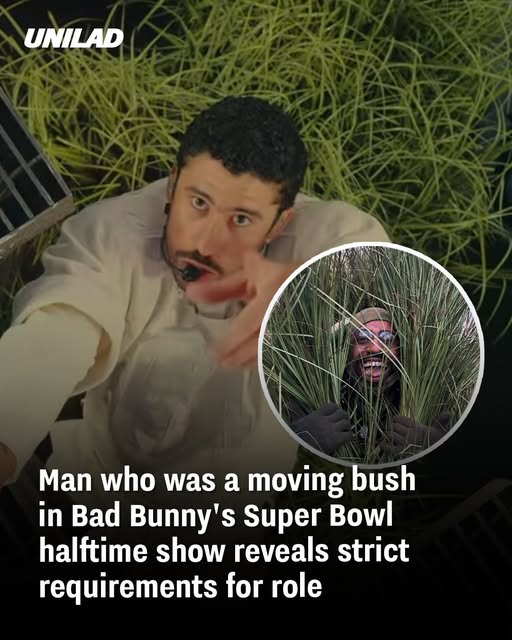
Bad Bunny’s recent halftime show appearance has ignited an unexpected wave of political discussion online, with social media users questioning the motivations and funding behind the performance. What began as excitement around one of the world’s most influential Latin music stars quickly turned into a wider debate involving political figures, campaign financing, and celebrity influence.
A Performance That Went Beyond Entertainment
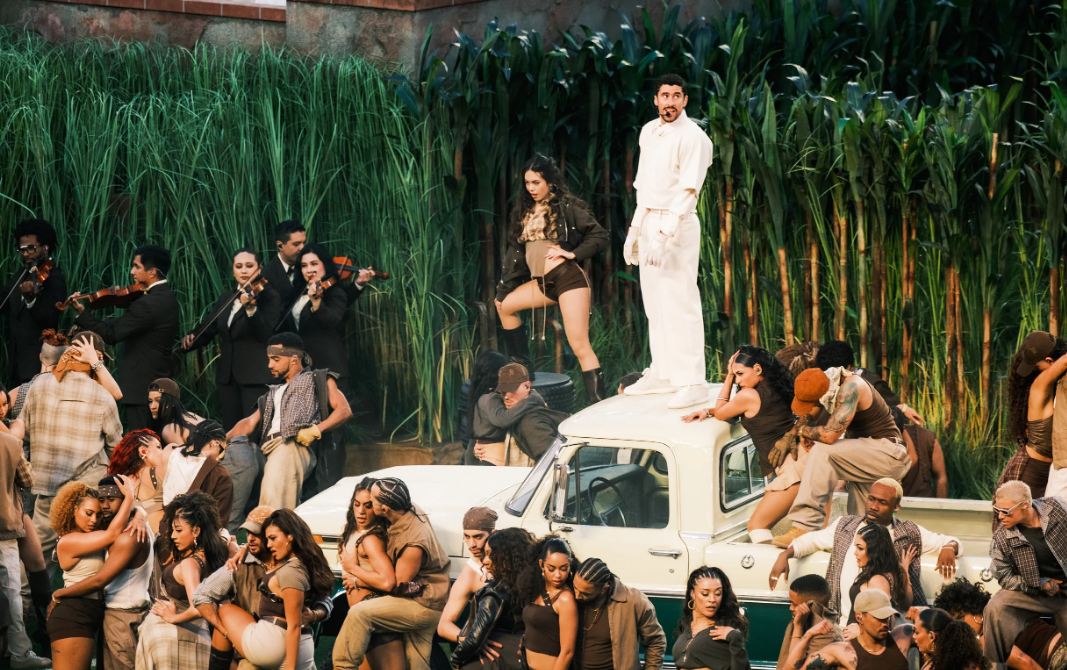
The global superstar, known for blending music with social commentary, delivered a halftime show that many fans praised for its energy and symbolism. However, some viewers claimed the performance carried political undertones that went beyond artistic expression. These interpretations rapidly spread across platforms such as X, Facebook, and TikTok, where users began dissecting every aspect of the show.
As clips circulated, speculation grew about whether the performance had been influenced by political interests rather than being purely entertainment-driven.
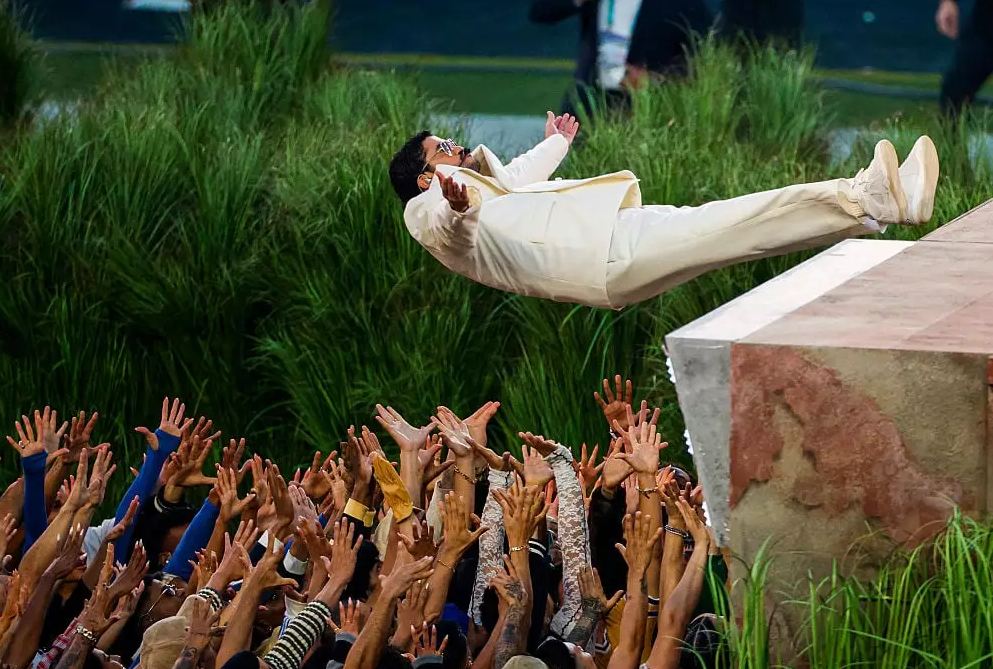
Claims Involving Political Donations
Online discussions intensified after claims emerged suggesting that George W. Bush had allegedly paid Andrew Athias, a Democratic fundraiser, in connection with events tied to the halftime show. While these claims have not been universally verified, they fueled a narrative that political funding may have intersected with the entertainment industry in a high-profile way.
The allegations prompted users to revisit public campaign finance records and past political affiliations, attempting to connect figures from different political eras. The lack of clear confirmation only added to the controversy, allowing speculation to dominate the conversation.
Social Media Reaction Explodes
Reactions online have been deeply divided. Supporters of Bad Bunny argue that the artist has always been vocal about social and political issues and should not be criticized for expressing his views. They emphasize his history of advocating for marginalized communities and see the backlash as an attempt to silence influential voices.
On the other side, critics argue that halftime shows should remain politically neutral, especially given their massive and diverse audiences. Some viewers expressed frustration, claiming they felt misled or uncomfortable with what they perceived as political messaging during a major entertainment event.
The Broader Role of Celebrities in Politics
This situation has reignited a long-standing debate about the role celebrities play in shaping political narratives. With enormous platforms and devoted fan bases, artists like Bad Bunny wield significant influence. Supporters believe this influence can be used to inspire awareness and positive change, while critics worry it blurs the line between entertainment and political persuasion.
In recent years, major cultural events have increasingly become spaces for social commentary, making it harder to separate art from activism.
No Official Clarification Yet
As of now, neither Bad Bunny nor representatives connected to the political figures mentioned have issued detailed statements addressing the specific claims circulating online. The absence of official clarification has allowed rumors to continue spreading, with each new post adding another layer to the story.
Until concrete information is provided, much of the discussion remains speculative, driven largely by online interpretation rather than confirmed facts.
A Controversy That Reflects the Times
Whether the halftime show was politically motivated or simply artistic expression, the reaction highlights how closely entertainment, politics, and public perception are intertwined today. In an era where every performance is analyzed in real time, even a music show can become the center of a national conversation.
For now, the controversy continues, serving as another example of how cultural moments can quickly evolve into political flashpoints.