
A man in his thirties has captured widespread attention for making an extraordinary trek between two major U.S. cities for his job. Instead of living near his workplace, this individual travels roughly 800 miles between Philadelphia and Atlanta several times every week, blending multiple forms of transport to fulfill his professional responsibilities. His routine has sparked curiosity and admiration, while also raising questions about modern work patterns and personal sacrifice.
At 34 years old, he works as a project manager for an urban design firm based in Atlanta. When he accepted the role in May, he faced a tough choice: relocate his family or maintain their home in Philadelphia and travel long distances. High living costs in Atlanta compared to what they were used to played a major part in the decision to stay put, leading him to embrace a demanding but feasible travel schedule instead.
How the Commute Works
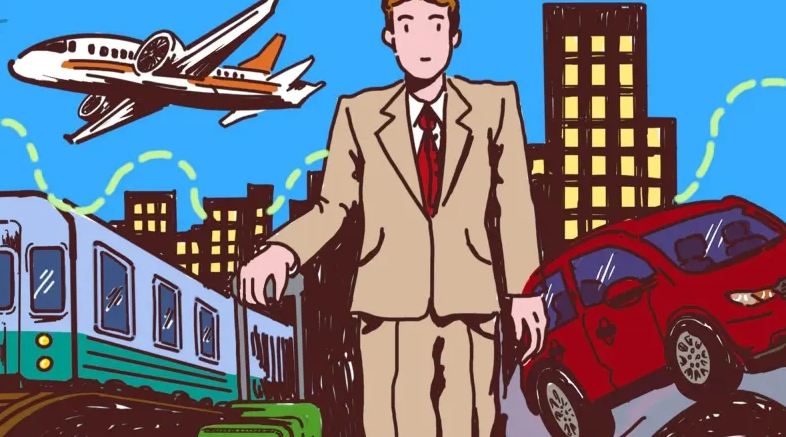
His routine involves a complex combination of ground and air travel. Early several mornings each week, he leaves his apartment for a train station ride that gets him to the airport. From there, he flies to Atlanta, takes a local train or another short connection, and walks or rides a short distance to reach his office. The process can take four to six hours from door to desk. On the return trip, he essentially repeats these steps in reverse, often catching a ride-share to the Atlanta airport before reconnecting with plane, train, and transit back home. Unlike typical long commutes that happen by car, his blend of transportation modes underscores not only physical distance but also logistical planning. He pays around $90 for a one-way flight ticket, a few dollars for local transit rides, and modest train costs — adding up to about $240 in travel expenses each week.

Why This Approach Made Sense
The motivation behind such an intense arrangement isn’t simple wanderlust or a dramatic online stunt. Instead, it stems from a careful balance of family, finances, and professional goals. Mortgage or rent savings in Philadelphia, compared with the prospect of higher living costs in Atlanta, made the sacrifice of time a workable alternative to uprooting his family. While he’s on the move, he doesn’t treat the hours as wasted. Rather, he uses travel time — whether on a train or airplane — to continue work on his laptop, catch up on reading, or prepare for professional exams. By structuring his day this way, he aims to blend productivity with necessity, squeezing value out of every minute on the road or in the air.
The Personal Side of Travel
Living arrangements on the ground are strategic. His family remains in their Philadelphia apartment, which costs thousands monthly. Meanwhile, he rents inexpensive accommodations or stays with friends during his time in Atlanta, where he works face-to-face with colleagues for part of the week. This setup allows him to maintain family stability while satisfying in-person work requirements. Despite the long hours and repetitive travel, he says this routine feels more manageable than being stuck in local traffic or long car journeys every day. For him, the commute has become what some call a “third space” — neither truly home nor fully work, but a transitional zone where he gets things done, stays connected, and keeps his life anchored on both ends.
A Reflection on Modern Work
This story resonates because it illustrates how work expectations and housing economics intersect in unexpected ways. Many professionals face similar decisions about where to live, how far they can reasonably travel, and what trade-offs they are willing to make. In a time when hybrid work models are becoming more common, but office presence still matters for many roles, some people are inventing unconventional routines to make both ends meet. In highlighting this individual’s remarkable travel pattern, the broader conversation touches on rising commuting challenges in cities like Philadelphia and Atlanta — places where daily back-and-forth across urban and regional transport networks can already be time-consuming and costly. For some, the idea of commuting half a country away for work might seem extreme. Yet for others, it represents innovation in navigating today’s dynamic work environment.