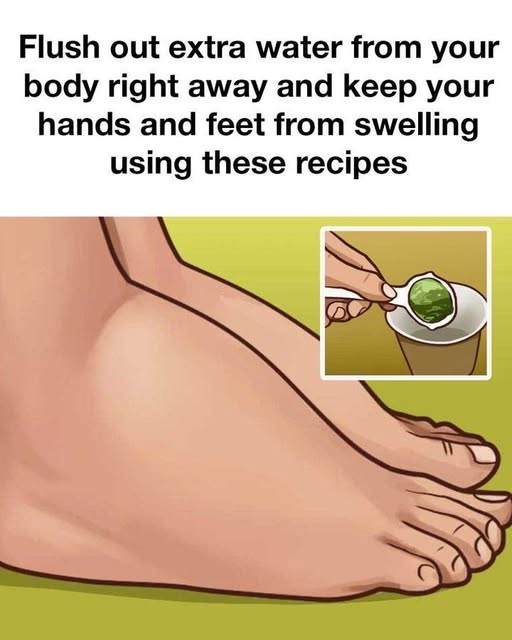
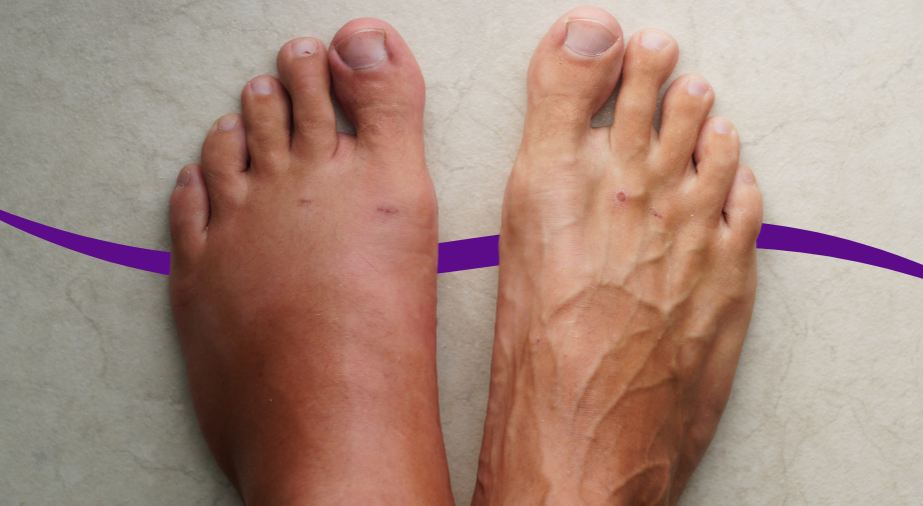
Swelling, medically known as edema, happens when excess fluid builds up in the body’s tissues, causing puffiness and discomfort. This often affects the feet, ankles, legs, hands, and sometimes the face. Water retention is a common cause of swelling and can be triggered by various factors such as diet, lifestyle, hormonal changes, or underlying health conditions. Understanding what causes this buildup of fluid is the first step in managing and reducing it effectively.
Common Causes of Water Retention
Several factors can lead to swelling and water retention:
- High salt intake: Consuming too much sodium causes the body to hold on to extra water to balance salt levels in the bloodstream.
- Sedentary lifestyle: Sitting or standing for long periods slows circulation, causing fluids to pool in the lower limbs.
- Hormonal fluctuations: Women often experience swelling due to hormonal changes during their menstrual cycle, pregnancy, or menopause.
- Medications: Some drugs, including blood pressure medications, steroids, and antidepressants, may cause water retention as a side effect.
- Medical conditions: Conditions like heart failure, kidney disease, or liver problems can impair the body’s ability to regulate fluid levels properly.
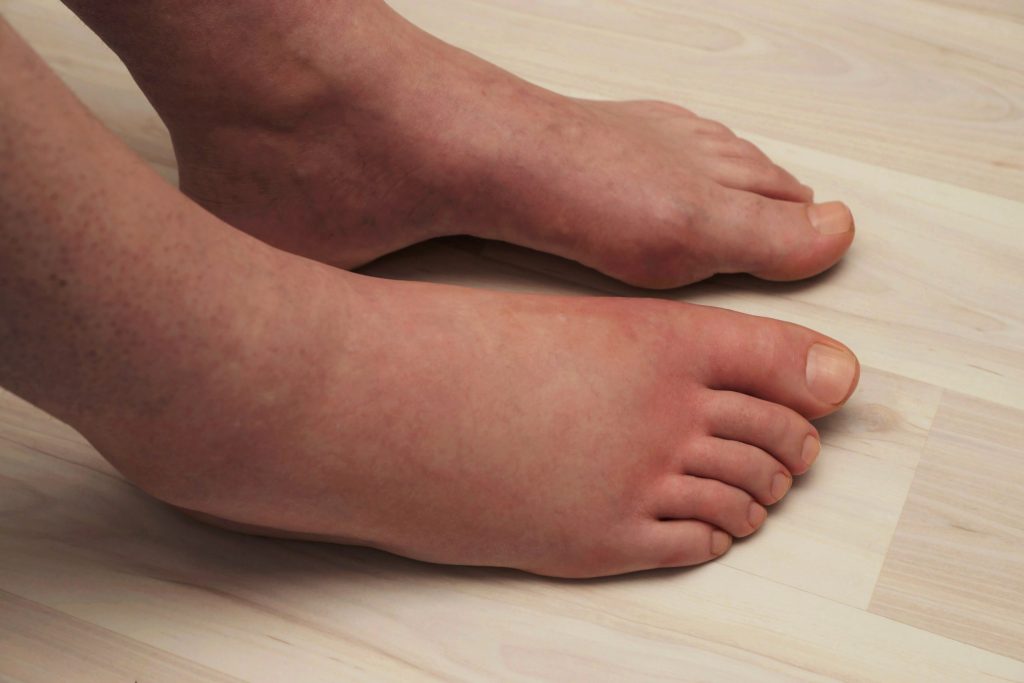
Symptoms to Watch For
Besides visible swelling or puffiness, water retention can cause feelings of heaviness, stiffness, or aching in affected areas. Pressing on swollen skin might leave an indentation that lasts a few seconds, called pitting edema. If swelling is sudden, painful, or associated with other symptoms like shortness of breath or chest pain, it’s important to seek medical care immediately.
Effective Ways to Reduce Swelling and Water Retention
1. Adjust Your Diet
Reducing salt intake is one of the most important steps. Processed foods, fast food, and salty snacks are common culprits. Instead, focus on a balanced diet rich in fresh fruits, vegetables, whole grains, and lean proteins. Foods high in potassium — like bananas, spinach, and avocados — help balance sodium levels and promote fluid elimination.
2. Stay Hydrated
It may sound counterintuitive, but drinking plenty of water helps flush excess sodium and fluids from the body. Dehydration can actually cause your body to hold onto water, worsening swelling.
3. Exercise Regularly
Physical activity improves circulation and encourages excess fluid to move out of tissues. Simple actions like walking, swimming, or yoga can stimulate blood flow and reduce swelling, especially in the legs and feet.
4. Elevate Swollen Limbs
Raising your legs above heart level several times a day can help fluids drain from swollen areas. This is especially helpful after long periods of sitting or standing.
5. Wear Compression Garments
Compression socks or sleeves apply gentle pressure to limbs, preventing fluid buildup and helping improve circulation. These can be particularly useful for those with chronic swelling or who spend much of their day on their feet.
6. Limit Alcohol and Caffeine
Both alcohol and caffeine can affect hydration and promote fluid retention. Moderating intake of these beverages can reduce swelling.
7. Manage Stress and Hormones
Stress affects hormone levels and circulation, which can influence water retention. Practicing relaxation techniques like meditation or deep breathing can help. Women experiencing hormonal swelling may find relief through lifestyle adjustments or by consulting their healthcare provider.
When to See a Doctor
While mild swelling often resolves with lifestyle changes, persistent or worsening edema can indicate a serious health issue. If swelling is accompanied by pain, redness, warmth, or difficulty breathing, seek medical attention promptly. A doctor can run tests to identify underlying causes and recommend appropriate treatment.
Final Thoughts
Swelling and water retention are common issues that can usually be managed through simple lifestyle adjustments. Eating a balanced diet, staying active, drinking enough water, and monitoring your body’s signals go a long way in reducing discomfort. If swelling persists or worsens, professional medical advice is essential to rule out serious conditions and receive targeted care.