
Lemons are a kitchen essential, valued for their bright flavor, versatility, and health benefits. However, they can dry out, grow mold, or lose their juice surprisingly fast if stored incorrectly. With the right techniques, you can significantly extend the shelf life of lemons and keep them fresh, juicy, and flavorful for weeks.
Why Lemons Spoil Quickly
Lemons have a high water content and a porous peel, which makes them vulnerable to dehydration and mold growth. When left at room temperature, moisture escapes through the skin, causing the fruit to shrivel and harden. Exposure to air and humidity also encourages bacteria and fungi to grow, especially if lemons are stored near other produce. Understanding these factors is the first step toward choosing the best storage method.
The Best Place to Store Whole Lemons
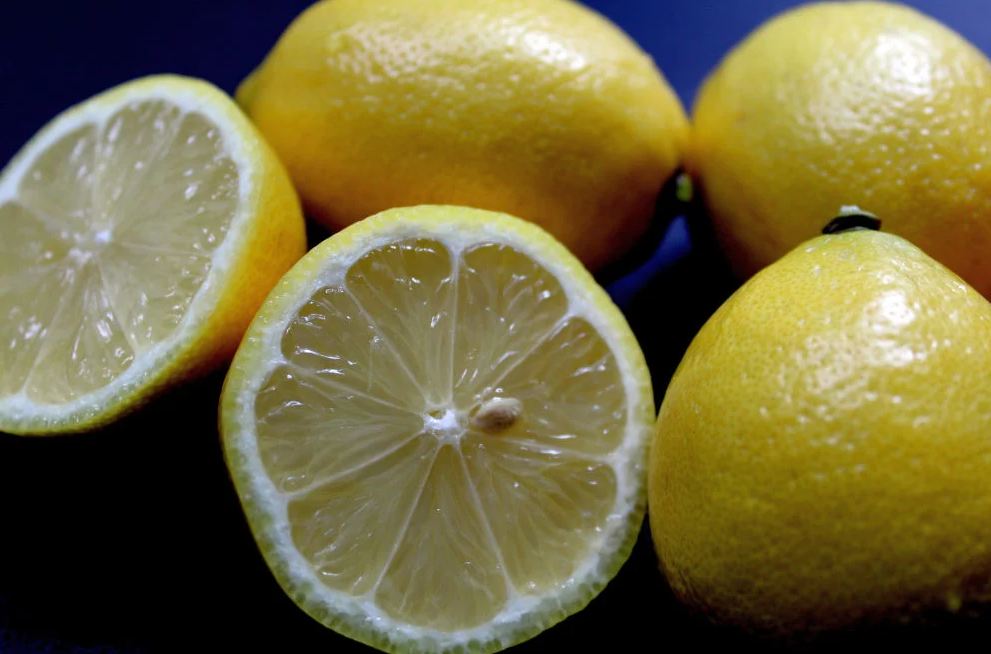
The refrigerator is the ideal environment for keeping whole lemons fresh long-term. Place them in the crisper drawer, where temperature and humidity are more stable. For best results, store lemons in an airtight plastic bag or reusable silicone bag. This reduces moisture loss while preventing condensation that can lead to mold. When stored this way, whole lemons can stay fresh for up to four weeks, compared to just one week at room temperature.
Storing Lemons at Room Temperature
If you plan to use lemons within a few days, room-temperature storage is acceptable. Keep them away from direct sunlight and heat sources, such as ovens or windowsills. A cool, shaded countertop or pantry is ideal. However, lemons stored this way should be used within five to seven days, as they will begin to dry out quickly.
How to Store Cut Lemons
Once a lemon is cut, it becomes much more susceptible to spoilage. To keep cut lemons fresh, wrap them tightly in plastic wrap or place them in an airtight container. Store them in the refrigerator and use them within three to four days. Placing the cut side face down on a small plate can also help reduce exposure to air, preserving moisture and flavor.
Freezing Lemons for Long-Term Use
Freezing is an excellent option if you have more lemons than you can use. Whole lemons can be frozen, but slicing or zesting them first is more practical. Lemon slices can be frozen on a baking sheet and then transferred to freezer bags, while lemon juice can be squeezed and frozen in ice cube trays. Frozen lemons retain their flavor for up to three months and are perfect for cooking, baking, or making drinks, though the texture may soften after thawing.
Avoid Common Storage Mistakes
- One common mistake is washing lemons before storing them. Moisture on the skin can promote mold growth. Instead, wash lemons just before use. Another mistake is storing lemons near ethylene-producing fruits like apples or bananas, which can accelerate spoilage.
- Regularly inspect stored lemons and remove any that show signs of mold to prevent it from spreading.
Simple Habits That Make a Big Difference
Small changes in how you store lemons can lead to less food waste and better flavor. Choosing refrigeration, limiting air exposure, and freezing excess lemons are all simple strategies that extend freshness without extra cost.

Final Thoughts
Keeping lemons fresh for longer is all about managing moisture, temperature, and air exposure. By storing whole lemons in the refrigerator, protecting cut lemons properly, and freezing extras when needed, you can enjoy their bright taste and juice for weeks instead of days. These easy methods help you get the most out of every lemon while saving time and money in the kitchen.