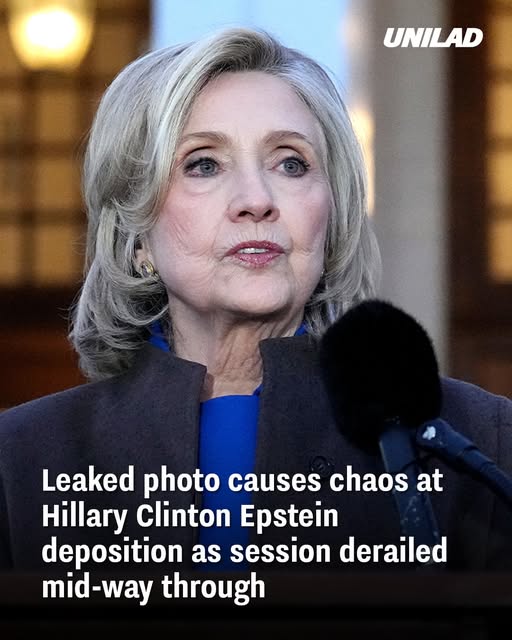
A major moment in former Secretary of State Hillary Clinton’s deposition before the U.S. House Oversight Committee occurred when a photo taken during her testimony was leaked online, forcing an unexpected pause in proceedings. The session was being held behind closed doors, with no press or unauthorized images permitted.
The image showing Clinton under oath was shared on social media after being posted by a conservative influencer, who credited Republican Representative Lauren Boebert for providing it. Because capturing and distributing photos from the private session violates House rules, the committee briefly halted testimony to investigate how the photo surfaced. The leak drew immediate attention and controversy, reigniting debates over congressional process, transparency, and political strategy. Clinton’s team argued the disclosure was improper and disruptive. Republicans involved defended the posting, with some suggesting the sharing did not break rules because it may have been taken before official testimony began.
What Hillary Clinton Said Under Oath
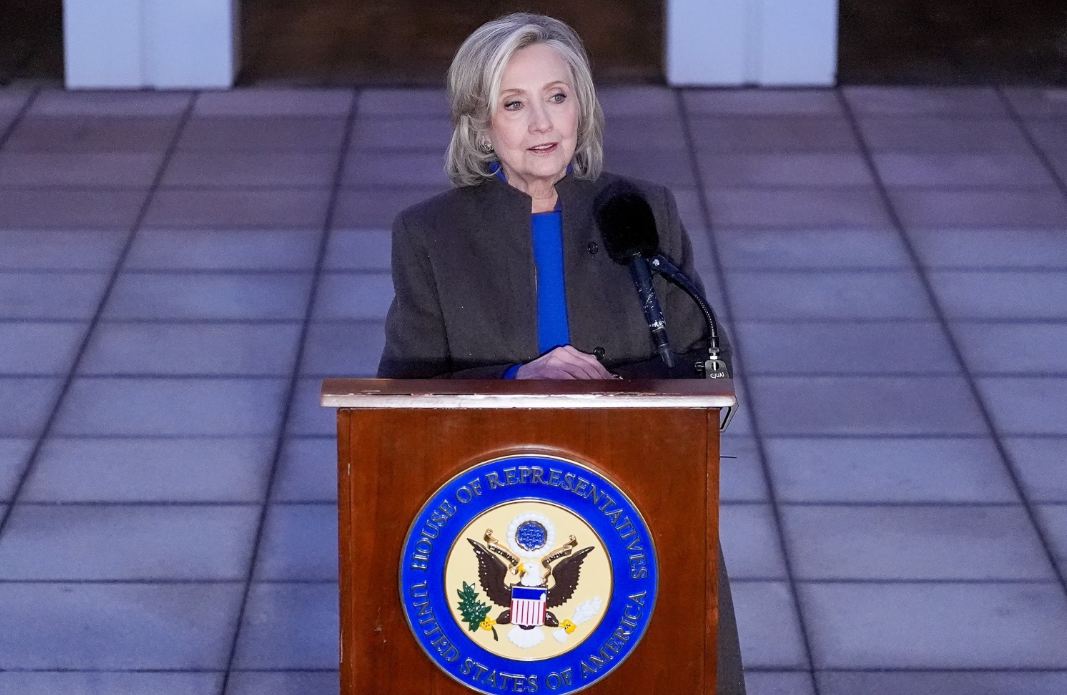
During her testimony, Clinton reiterated that she had no knowledge of Epstein’s criminal activities and denied any personal or professional relationship with him. She stated she did not recall ever meeting Epstein, flying on his plane, or visiting any of his properties. Her opening remarks emphasized that she had nothing substantive to add to the committee’s investigation into Epstein’s crimes and network, repeating long-held public denials of involvement or specific information relevant to the case.
In response to the photo incident, Clinton called again for the deposition to be made public, arguing that transparency would prevent disruptive leaks and speculation. Republicans leading the hearing declined that request.
Broader Political Reactions
The disruption sparked strong responses across political lines. Some Republicans argued that sharing the photo shined needed light on the process and kept the public engaged. Others said the leak was inappropriate and unnecessary. Democrats criticized the photo leak as a tactic aimed more at political spectacle than serious investigation. They also noted that the committee hasn’t sought similar testimony from others with documented ties to Epstein. The debate highlighted longstanding divisions in Washington over congressional oversight, the rules governing closed hearings, and partisan messaging around sensitive topics.
Context of the Epstein Inquiry
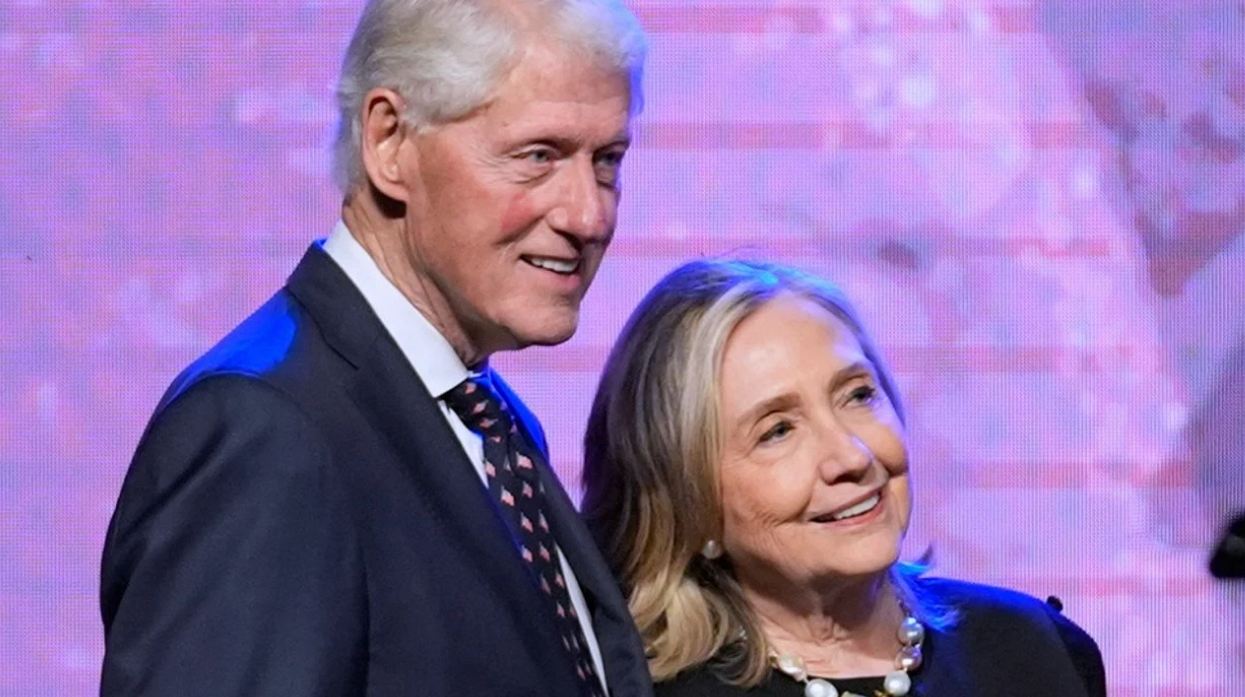
Clinton’s deposition is part of a larger congressional probe into Jeffrey Epstein’s networks, including how he built influence and whether prominent figures had relevant information. The committee also plans to hear from Clinton’s husband, former President Bill Clinton, who testified before the same panel and similarly denied wrongdoing or meaningful knowledge of Epstein’s criminal behavior. Though Epstein died in 2019 while awaiting trial on federal sex-trafficking charges, investigations into his connections continue, with members of both major U.S. political parties exchanging accusations about motivations, transparency, and fairness.
What Happens Next
The committee’s work is ongoing, and whether additional leaks or revelations emerge remains a key point of public interest. The controversy over the photo has intensified scrutiny of the oversight process and raised questions about how closed-door testimonies are managed in high-profile inquiries. Lawmakers and political commentators alike are watching closely as the hearings continue and as both Clintons participate under subpoena, with further public reaction likely in the days ahead.