
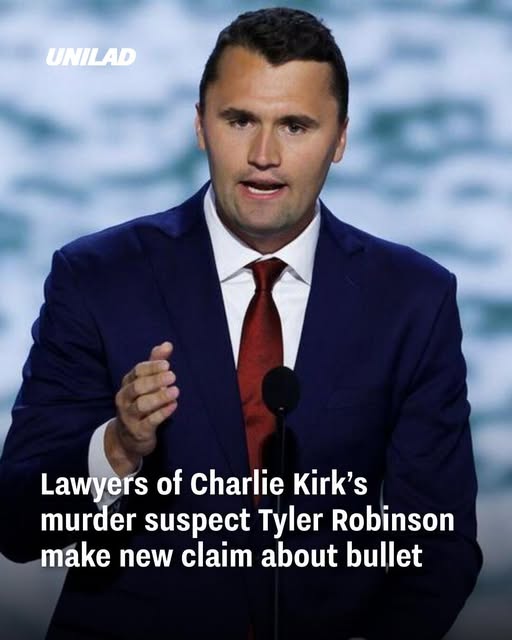
A dramatic new development has emerged in the high-profile murder case surrounding the death of conservative activist Charlie Kirk. Lawyers representing Tyler Robinson, the man accused of killing Kirk, have filed new court documents claiming that a key bullet analysis does not conclusively link the fatal shot to the rifle allegedly tied to Robinson. The filing has raised major questions about one of the most important pieces of physical evidence in the case and could significantly affect how the prosecution moves forward.
The case has already drawn intense national attention because of Kirk’s political profile and the shocking nature of the shooting. Now, this new forensic dispute is adding another layer of uncertainty as both sides prepare for a crucial hearing that could determine whether the case proceeds toward trial.
Defense Lawyers Challenge Key Evidence
According to newly filed court documents, Robinson’s attorneys say an analysis by the Bureau of Alcohol, Tobacco, Firearms and Explosives could not definitively connect the bullet fragment recovered during Charlie Kirk’s autopsy to the rifle found near the scene. The defense argues that the results are inconclusive, which they believe could weaken the state’s case against their client. This does not necessarily mean the rifle has been ruled out. Reports indicate the fragment was too damaged to make a definitive match, meaning investigators could neither fully confirm nor completely exclude the weapon. That distinction is important, because the prosecution may still argue that other evidence links Robinson to the shooting even if the ballistic findings remain uncertain.
Hearing Delay Requested as More Tests Continue
Robinson’s legal team is now asking the court to postpone a preliminary hearing scheduled for May. They say they need more time to review the bullet analysis, study the ATF’s full materials, and examine a large amount of additional evidence. The defense also points to ongoing FBI testing that has not yet been completed, suggesting the forensic picture may still change. A preliminary hearing is a major step in a criminal case because it helps determine whether prosecutors have enough evidence to move forward. If the court grants the delay, it could buy Robinson’s attorneys more time to challenge the government’s narrative and potentially use the inconclusive ballistic findings as part of a broader defense strategy.
Prosecutors Still Have Other Evidence
Even with the new focus on the bullet analysis, legal experts note that prosecutors may still have substantial evidence beyond the rifle itself. Reports indicate authorities believe there is additional material tying Robinson to the scene, including evidence connected to the weapon and the broader investigation. That means the case is far from collapsing, even if one forensic detail becomes harder to prove conclusively. Robinson remains accused in the fatal shooting of Charlie Kirk, which took place during a Turning Point USA event at Utah Valley University in September 2025. He faces serious felony charges, including aggravated murder, and prosecutors have previously indicated they intend to seek the death penalty if the case advances and results in a conviction.
Why This Twist Matters So Much
The reason this update is making headlines is simple: ballistic evidence is often seen as one of the clearest ways to connect a suspect to a shooting. When that evidence becomes uncertain, even temporarily, it gives the defense a powerful talking point and creates room for doubt in the public conversation surrounding the case. For now, the latest filing does not clear Tyler Robinson, but it does introduce a major complication in one of the most closely watched criminal cases in the country. As more testing continues and the court weighs whether to delay the hearing, the case appears to be entering a critical new phase.