
Ginger is one of the world’s most commonly used spices, prized for its flavour, digestive benefits, and traditional medicinal uses. Many people enjoy it in food, tea, or as a natural remedy for nausea, inflammation, and digestive discomfort. In moderate amounts especially as part of meals ginger is generally considered safe for most adults. However, consuming too much ginger, taking high-dose supplements, or having certain health conditions can lead to unwanted effects that are important to understand.
Common Side Effects of Excessive Ginger Intake
Even though ginger is natural, it contains potent bioactive compounds like gingerol and shogaol, which can affect the body in significant ways when consumed in large quantities:
1. Digestive Discomfort
One of the most frequently reported side effects of high ginger intake is gastrointestinal irritation. Excessive ginger can stimulate digestive secretions and motility, which may cause:
- Heartburn or acid reflux
- Bloating and gas
- Stomach cramps
- Diarrhoea
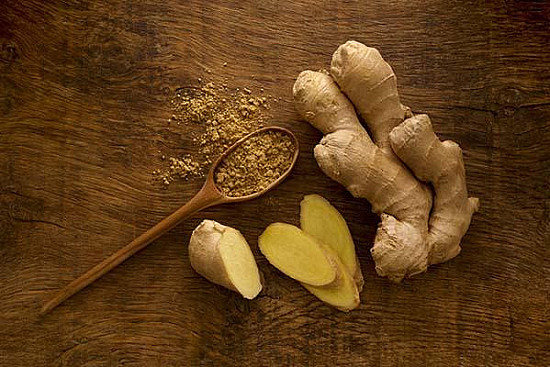
These symptoms are more likely when large amounts of ginger — such as in concentrated teas, shots, or supplements — are taken on an empty stomach or in doses above a few grams daily.
2. Irritation in the Mouth and Throat
Fresh ginger’s strong, spicy flavour can cause a burning sensation in the mouth, tongue, or throat, especially if chewed raw or used in concentrated forms. This irritation is harmless for most people but can be uncomfortable and persistent with frequent high intake.
3. Increased Risk of Bleeding
Ginger naturally inhibits platelet aggregation — the process that helps blood clot. While this effect can be beneficial for circulation, large amounts may amplify bleeding risk, particularly for those taking blood-thinning medications like warfarin, aspirin, or clopidogrel, or for people with bleeding disorders. Elderly individuals and those preparing for surgical procedures should be especially cautious.
4. Interaction With Medications
Ginger can interact with several types of medicine, meaning it may enhance or interfere with their effects:
- Anticoagulants (blood thinners) — increased bleeding risk
- Diabetes drugs — possible hypoglycaemia (low blood sugar)
- Antihypertensive medications — potential for blood pressure to drop too low
- Heart rhythm drugs — risk of irregular heartbeat
These interactions are particularly relevant for those taking medications regularly, and any ginger supplements should be discussed with a healthcare provider first.
5. Effects on Blood Sugar and Blood Pressure
While ginger may help improve insulin sensitivity and slightly lower blood sugar, excessive consumption can sometimes cause blood sugar to drop too low in people with diabetes. Similarly, ginger’s mild blood-pressure-lowering effect may be problematic for individuals with already low blood pressure or those on antihypertensive drugs.
6. Pregnancy and Sensitive Conditions
Ginger is often used to soothe morning sickness, and moderate culinary use is generally considered safe for most pregnant women. However, high doses — especially in supplements — may increase the risk of uterine stimulation, bleeding, or complications near delivery. Pregnant and breastfeeding individuals should consult a healthcare provider before using ginger in therapeutic amounts. Less commonly, some individuals may experience allergic reactions such as skin rash, itching, or swelling after consuming ginger — though such cases are rare.

How Much Ginger Is Safe?
Most studies suggest that up to about 4 grams (0.14 oz) of ginger per day — whether from fresh root, tea, or powdered form — is safe for most adults. Higher intakes increase the likelihood of side effects mentioned above. If you are taking medicine, have a bleeding disorder, or have digestive or cardiovascular conditions, it’s wise to talk with a healthcare professional before increasing ginger intake or taking concentrated supplements.
Enjoy Ginger Safely
Ginger can be a flavorful and health-promoting addition to many dishes and home remedies. To minimise risk:
- Use ginger in moderate, culinary amounts rather than large daily supplements.
- Drink ginger tea after meals if prone to heartburn.
- Discuss with your doctor if you are on medications or have underlying health issues.
- Understanding both the benefits and potential risks helps you enjoy ginger safely as part of a balanced diet.