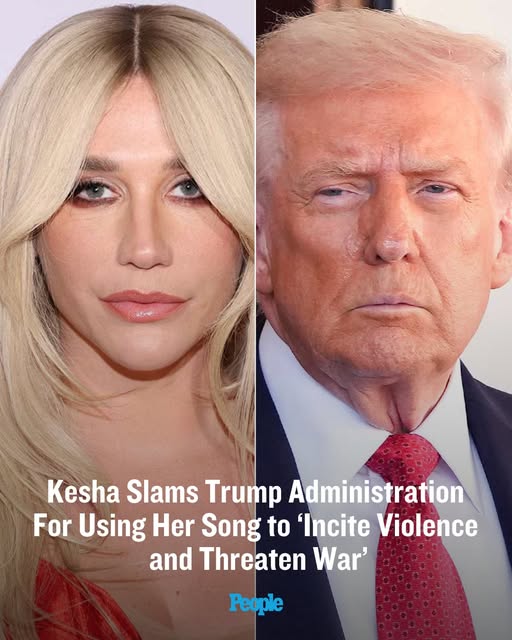
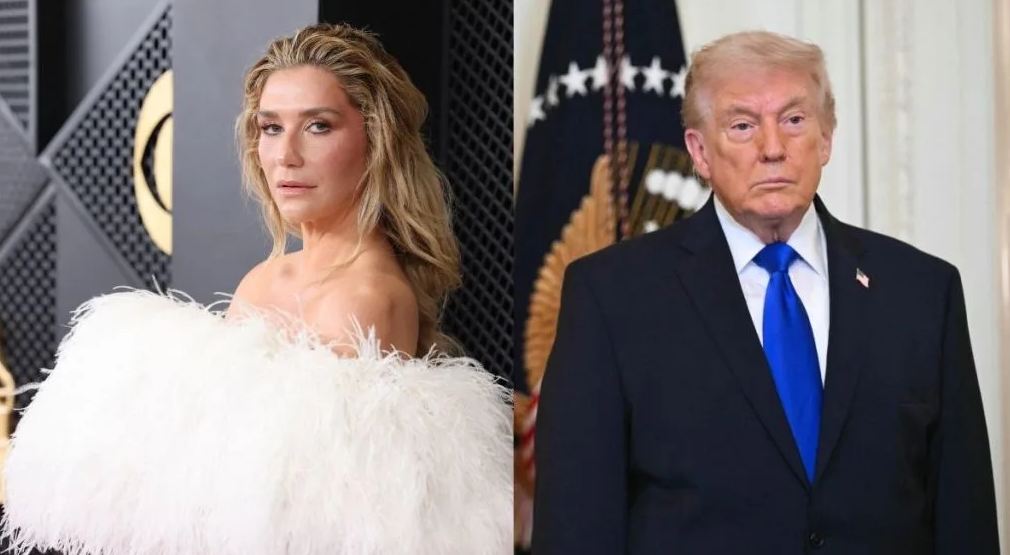
Pop star Kesha publicly criticized the U.S. government after one of her hit songs was used in a social media video that included military imagery. The singer took to social platforms to express outrage, saying her music was used without her consent and in a way she believes promotes violence and war something she strongly opposes.
The controversy centers on the unauthorized use of her 2010 hit “Blow” in a video posted to the White House’s official TikTok account earlier in February. The clip included footage of jets and explosions and was captioned with the word “Lethality.” Kesha, who is 39, said she was shocked and upset to learn her music had been repurposed in that way.
Strong Statement Against Violence and War
In a March 2 post on Instagram Stories, Kesha called out the decision to use her music with militarized imagery as unacceptable and disturbing. She wrote that making “light of war is disgusting and inhumane” and that she does not approve of her song being used to promote or glorify violence. She emphasized her belief in messages of love and compassion, urging people to “love yourself and each other” during difficult times. The singer argued that the video’s approach was a “blatant disregard for human life” and said it was the opposite of what she stands for.
Political Accusations and Broader Context
Kesha didn’t just protest the use of her music — she also took a political angle in her message. In her post, she referenced President Donald Trump, calling him a “criminal predator” and drawing attention to his repeated mentions in documents associated with the Jeffrey Epstein files. Trump has previously denied any wrongdoing related to Epstein. Her comments come amid broader tensions involving the U.S. government’s involvement in military actions, including recent operations against Iran, which have been widely reported. The video that sparked the controversy was shared against this backdrop of escalating conflict, and many observers see Kesha’s statement as part of a growing debate over the tone and messaging of government communications.
Response From the White House
Rather than backing down, the White House’s communications team responded to Kesha’s criticism in its own social media posts. Steven Cheung, the White House Communications Director, reposted her dissent on X (formerly Twitter) and wrote that reactions from artists “just give us more attention and more view counts” for the video in question. This response was widely interpreted as dismissive of the artist’s objections and added fuel to the debate. Cheung’s comments reflect a growing pattern in which political teams treat backlash as a form of engagement that can drive visibility — even if it means attracting criticism from public figures.
Other Artists Also Protest Use of Their Music
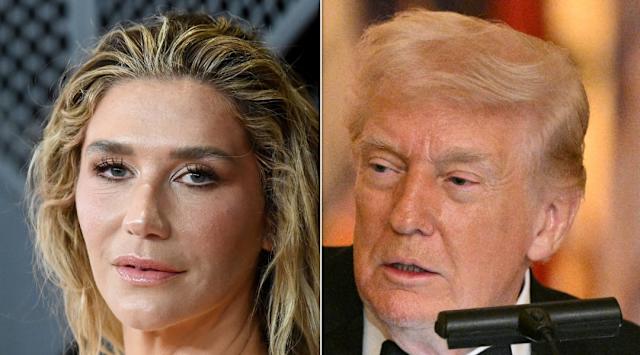
Kesha is not alone in voicing objections. A number of well-known musicians, including Céline Dion, Bruce Springsteen, Linkin Park, Neil Young, Olivia Rodrigo, Sabrina Carpenter, and Radiohead, have publicly complained about the use of their work in political or government-linked content without their approval. These artists have emphasized that their music should not be used to support or promote agendas they disagree with. This controversy highlights a recurring issue in modern politics and media: the tension between cultural expression and political messaging, and the rights of creators to control how their art is used in public discourse.
Significance of Kesha’s Stand
By speaking out, Kesha has brought renewed attention to the idea that artists should have a say in how their work is appropriated, especially in contexts involving conflict or rhetoric about violence. Her message resonated with many fans and fellow musicians, sparking widespread discussion about artistic consent and ethical communication in government social media strategies. While the debate continues, her stance reinforces the belief held by many artists that music should unify, not be co-opted to promote fear or conflict.