
On January 30–31, 2026, the U.S. Department of Justice (DOJ) released a massive batch of documents connected to its long-running investigations into convicted sex offender Jeffrey Epstein and his associates. In total, these disclosures include over 3 million pages of material, as well as thousands of photos and videos, under the requirements of the Epstein Files Transparency Act.
Among this new material, the names of Jay-Z, Pusha T, and disgraced film producer Harvey Weinstein appeared in records that have quickly drawn public attention.
What Type of Document Mentions Jay-Z?
Importantly, Jay-Z’s name did not come from Epstein’s personal files, flight logs, address books, or other verified investigative records. Instead, his name appears in an FBI crisis intake or hotline report — essentially a record of a tip or allegation submitted by a private caller during the Epstein investigation process. According to multiple reports, the document in question was created in 2019 when an anonymous person called the FBI’s National Threat Operations Center. That caller alleged that she had been drugged and abused over a period of years and mentioned several high-profile names, including Jay-Z and Weinstein, in her account. In the report, the caller described waking up in a situation where Harvey Weinstein and Shawn Carter (Jay-Z) were present. In the broader context of that allegation, she also mentioned a person she identified as Pusha T as one of her alleged “handlers.”

Unverified Allegations — Not Evidence or Charges
Legal experts and media outlets have been careful to emphasize a key distinction: being mentioned in these publicly released files is not the same as being accused in a criminal investigation, formally charged, or found guilty of any crime. These FBI “intake” reports are unedited records of what someone reported to a hotline — not evidence gathered through investigation, corroborated testimony, or court proceedings. FBI tips are frequently included in the files released under the transparency law simply because the law requires agencies to disclose all materials received, even if they are later determined to be false, unverified, or unrelated to the core cases. As one legal context summary notes, these filings do not imply that Jay-Z or Pusha T were subjects of an investigation or had any documented association with Epstein.
Public Reaction and Media Coverage
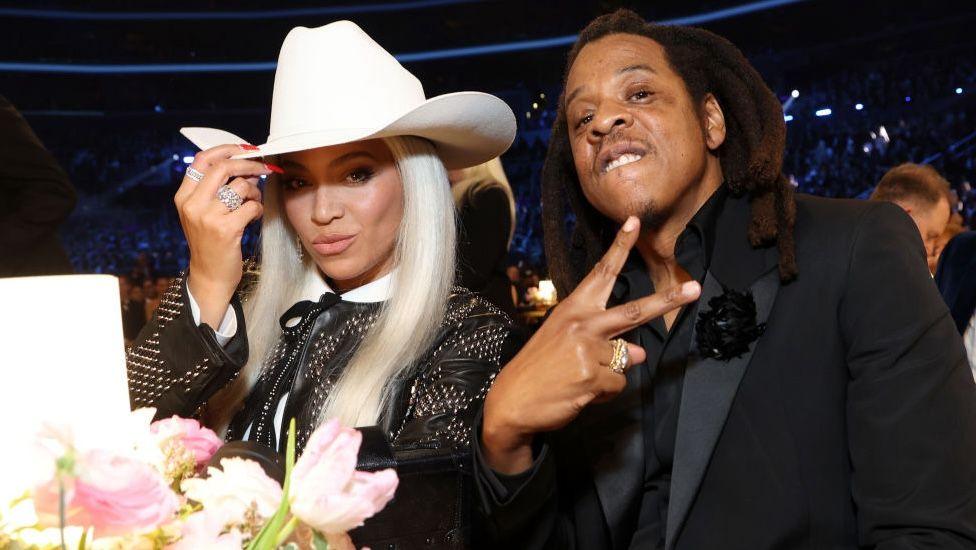
The mention of Jay-Z and others in these documents has sparked major public reaction, including heightened social media discussion and renewed scrutiny from commentators and other artists in the music world. Viral footage and commentary — such as old videos resurfacing or rival artists making remarks — are circulating online. Some outlets and social media posts have also suggested that Jay-Z saw a drop in his follower count on platforms like Instagram following the news, and that several public figures unfollowed his account, though the precise reasons for those actions are not independently verified.
What This Does — and Doesn’t — Show
What it does show:
- The DOJ has released a large tranche of Epstein-related records, including tips submitted by the public.
- One such FBI intake report mentions Jay-Z’s name in the context of allegations relayed by a caller.
What it doesn’t show:
- Any evidence that Jay-Z was part of Epstein’s social circle.
- Any investigation, charge, or formal legal action against him arising from these files.
- Inclusion in Epstein’s own flight logs, social calendars, or personal records.
In short, the mention of Jay-Z’s name in released government documents has ignited conversation and controversy — but journalists and legal experts alike caution against interpreting that as proof of involvement in criminal activity.