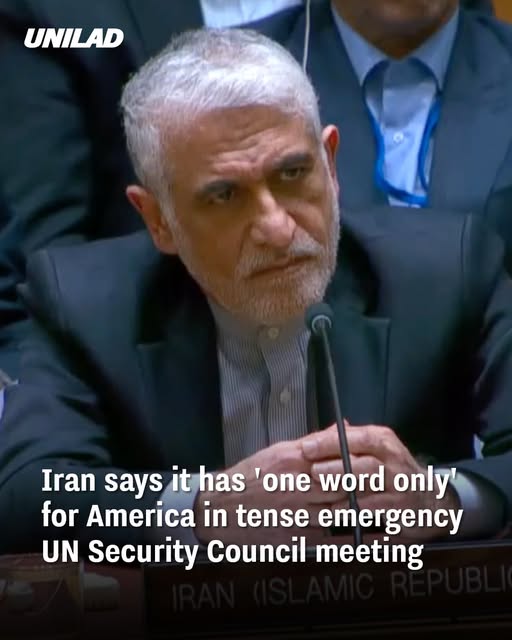
Iran’s ambassador to the United Nations, Amir-Saeid Iravani, delivered a sharply worded rebuke of the United States during an emergency Security Council session called on 1 March 2026 in New York City. The meeting took place in the wake of major U.S. and Israeli airstrikes on Iran, which have dramatically escalated tensions in the Middle East. The attack on Iran came just days after reports later confirmed by Iranian state media that Supreme Leader Ayatollah Ali Khamenei had been killed in the bombardment, prompting a cycle of retaliation and international alarm about a broader regional war.
“One Word Only”: Ambassador’s Message to the US
At the Security Council meeting, Iravani made a brief but pointed statement toward the U.S. delegation. He said he had “one word only” for the United States and urged the U.S. representative to “be polite”, a remark intended to challenge the legitimacy and conduct of Washington’s military actions. After delivering that line, Iravani insisted that the U.S. and Israeli strikes amounted to an unprovoked act of aggression, describing them as not only militarily offensive but devoid of legal, moral and political justification. He accused the attacks of targeting civilian infrastructure and committing what he termed “war crimes and crimes against humanity.” In addition, during his remarks Iravani stressed that Iran would continue to exercise its right to self-defence under international law as long as what he called “aggression” continues, and that Iranian forces would consider all hostile military assets in the region as legitimate targets.
U.S. Ambassador Responds
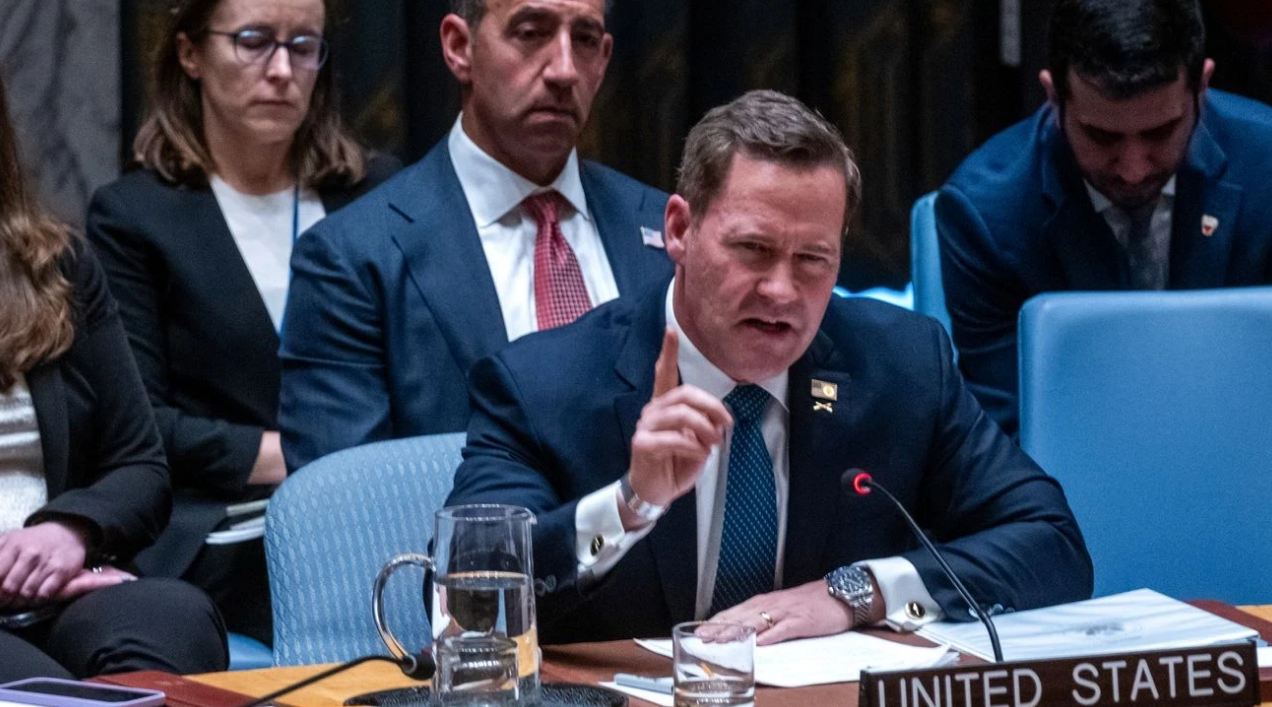
The U.S. envoy, Ambassador Mike Waltz, responded sharply. He rejected Iravani’s characterisation of the strikes as unlawful, instead portraying Iran’s leadership as a long-standing oppressor of its own people. Waltz accused Tehran of killing and imprisoning “tens of thousands” of its citizens simply for seeking freedom, and did not directly engage with Iravani’s rebuke other than to say he would not “dignify” it further. Waltz also argued that the U.S. and Israel were acting in close coordination and within the bounds of Article 51 of the UN Charter, which covers self-defense against armed attack — a point of contention frequently cited in diplomatic disputes over use of force.
Broader UN Context
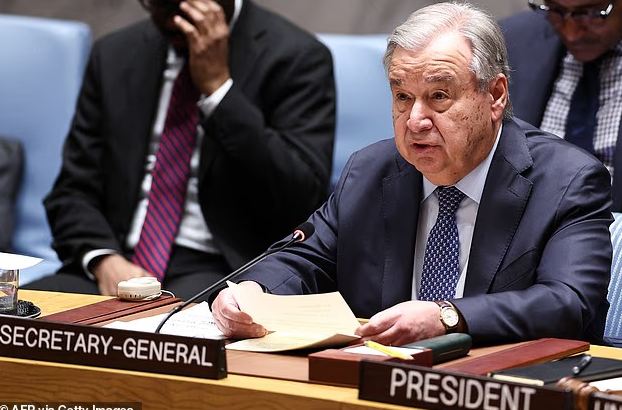
The emergency session also featured strong warnings from UN Secretary-General António Guterres, who lamented that opportunities for diplomacy had collapsed and urged de-escalation to avoid widening conflict. Other nations on the Council were divided in their responses, with some backing Iran’s calls for restraint while others emphasised security concerns. In addition to diplomatic rhetoric, several reports at the meeting noted significant civilian casualties from strikes within Iran, including attacks on schools and residential areas, intensifying global concern about regional stability and respect for international humanitarian law.
What This Means Going Forward
The clash at the UN underscores how deeply the conflict has fractured international opinion, with each side seeking to justify its actions under differing interpretations of international law. Iran’s ambassador framed the U.S. and Israeli operations as unlawful aggression, while the United States maintained its actions were defensive and lawful. The Security Council meeting reflected deep divisions among world powers over the Middle East crisis and highlighted the challenges of achieving de-escalation as hostilities continue.