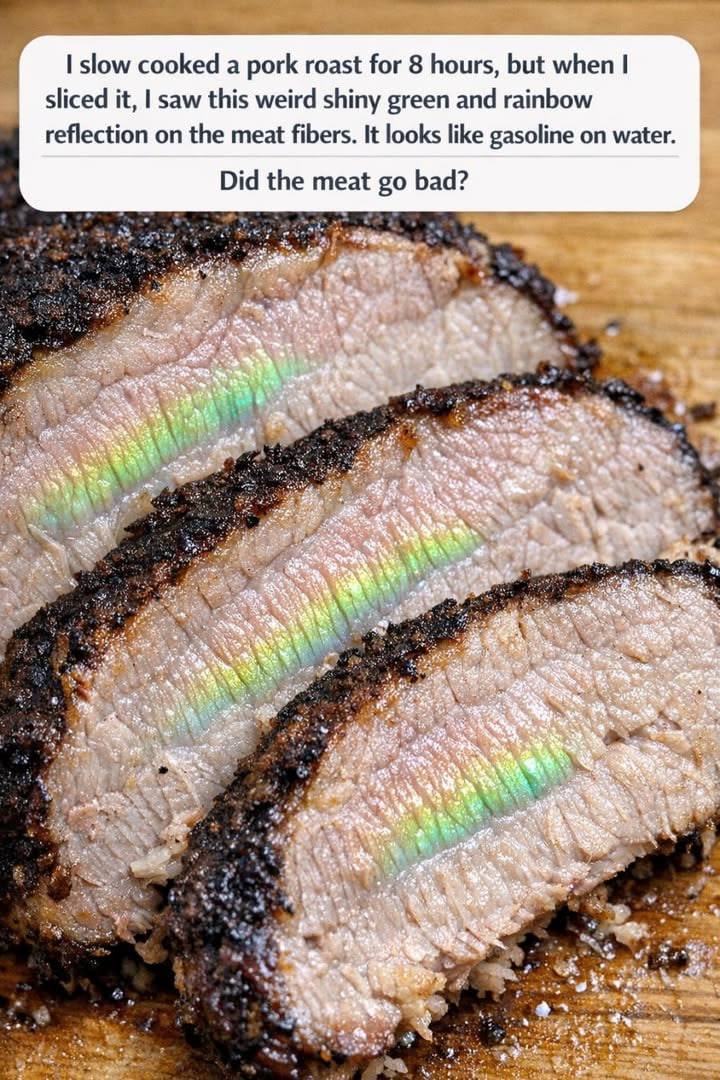
If you slow-cooked a pork roast for several hours and noticed a shiny green or rainbow-like reflection on the meat fibers, it might have looked alarming — almost like gasoline on water. Fortunately, in most cases, this visual effect is not a sign of spoiled meat. Instead, it’s a harmless phenomenon called iridescence, caused by the way light interacts with the structure of the cooked meat.
This effect can be surprising because the colors are so vivid, sometimes appearing metallic or rainbow-colored. However, the meat is usually perfectly safe to eat if it was cooked to the proper temperature and handled correctly.
Understanding Iridescence in Meat
Iridescence is the optical effect that produces rainbow-like colors on surfaces such as soap bubbles, oil slicks, fish scales, or seashells. In the case of meat, the effect occurs when light reflects off tightly aligned muscle fibers that have been broken down by slow cooking. During long, low-temperature cooking, like an 8-hour roast, the connective tissues in the pork soften, and the muscle fibers relax and stretch. These fibers can act like a microscopic diffraction grid, bending and reflecting light at different angles. The result is that your roast may appear to have green, blue, or even metallic tones in certain areas. It’s important to note that this effect is entirely physical. It does not indicate contamination, chemicals, or spoilage. It’s simply the way light interacts with the meat’s fibers after prolonged cooking.
Signs of Spoiled Pork to Watch For
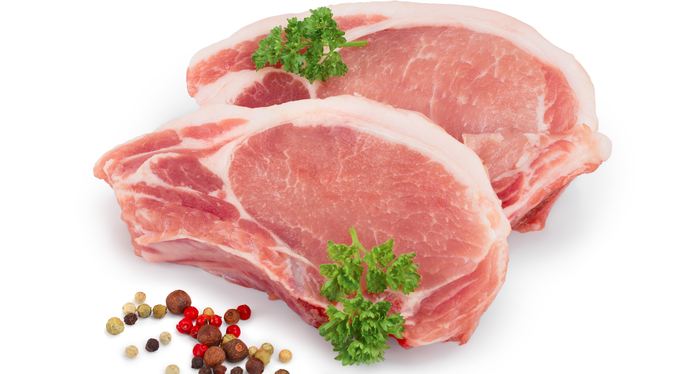
Even though the rainbow effect is harmless, it’s wise to know the real signs of spoilage, just in case:
- Smell: Bad pork usually has a sour or ammonia-like odor.
- Texture: Slimy or sticky surfaces are a warning sign.
- Color: Raw pork that has gone bad may have a grayish, brown, or greenish tint that is not shiny or rainbow-like.
- If your roast smells normal, feels firm or tender but not slimy, and has no off colors apart from the iridescent sheen, it is generally safe to eat.
Cooking Temperature and Safety
Proper cooking is critical for food safety. Pork should reach an internal temperature of 145°F (63°C) with a rest period of at least three minutes. For slow-cooked, pulled pork-style roasts, the meat is often brought to 195–205°F (90–96°C) to fully break down connective tissue. By cooking slowly at lower heat, you increase the chances of iridescence because the fibers become very aligned, and the surface retains enough moisture to reflect light in this unusual way.
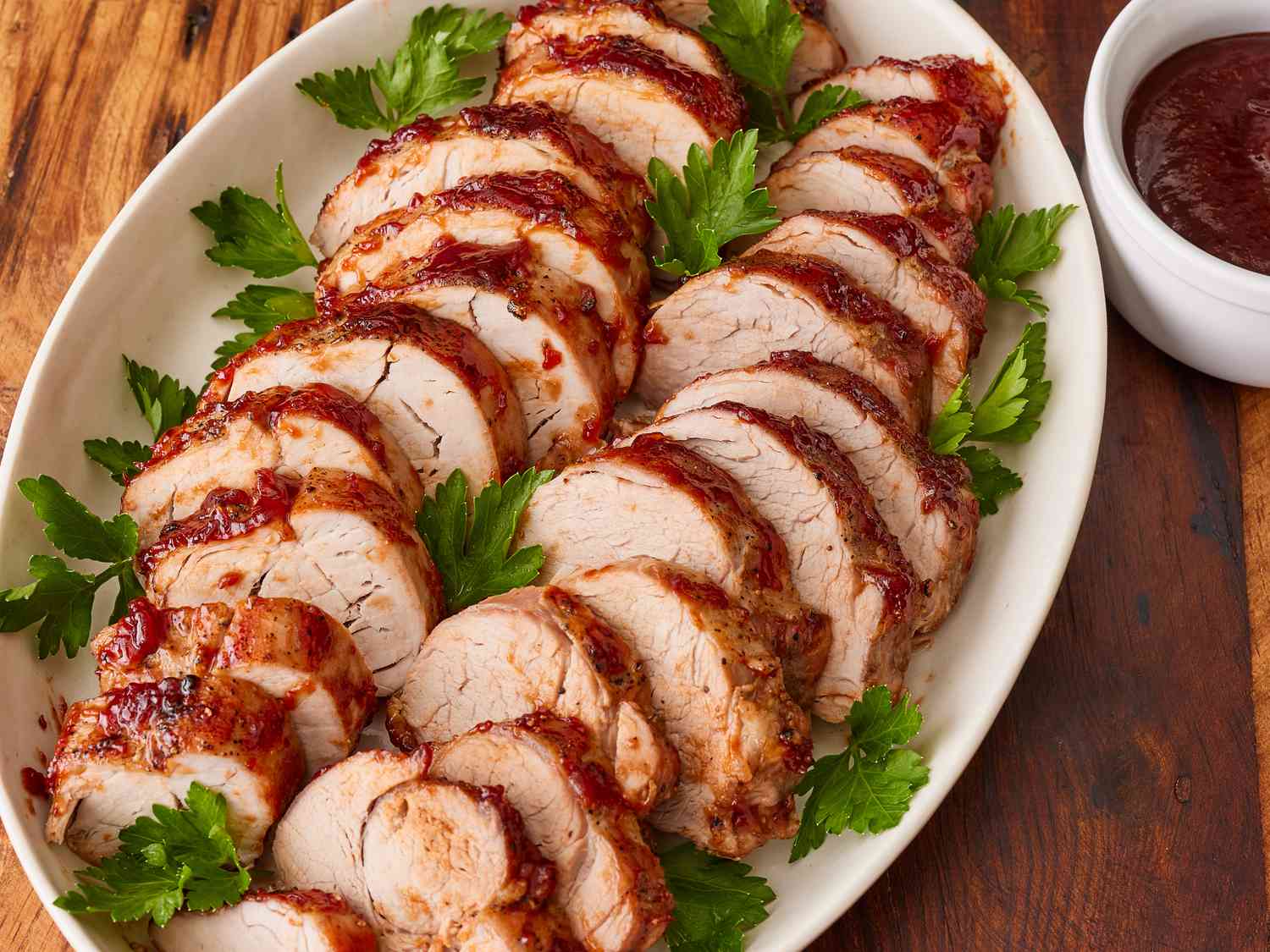
Why Slow Cooking Creates the Effect
Long, slow cooking affects the pork in several ways:
- Breakdown of connective tissue: Collagen and other proteins soften, exposing the muscle fibers.
- Moist fiber alignment: Fibers align during cooking, creating reflective surfaces.
- Enhanced optical effects: Light reflects off these aligned fibers to create the rainbow sheen.
- This is why fast-cooked pork, like seared chops or roasted pork loin, rarely shows this effect.
Bottom Line: Safe to Eat
The rainbow or shiny green reflection is harmless iridescence. It is not a sign of spoilage or contamination. Properly cooked pork that smells normal, feels tender, and has no slimy surface is safe to enjoy, even if it has rainbow-like colors on the fibers.
In summary, your slow-cooked pork’s “gasoline-like” sheen is a natural optical effect that happens in long, slow roasts. It can look strange or alarming, but it’s a normal part of how meat behaves under prolonged heat. As long as you’ve followed proper cooking and food safety guidelines, you can serve and enjoy your pork without worry.