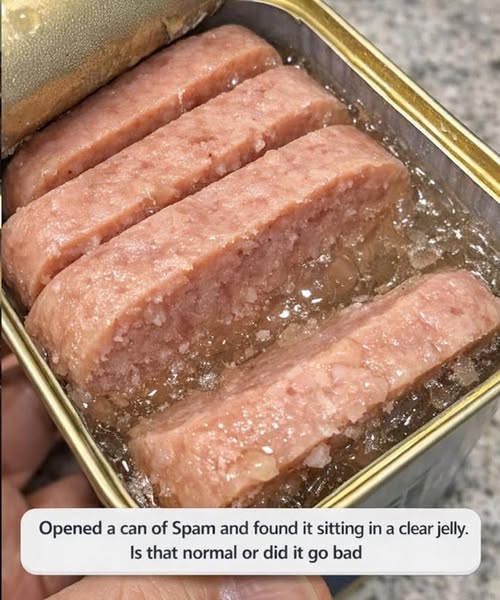
If you’ve ever opened a can of Spam and noticed something unusual, you’re not alone. One reader recently shared a startling moment: upon opening a can, they found the meat sitting in a clear, gelatinous substance. Panic set in immediately. Was the product spoiled? Should it be thrown away? Or is this perfectly normal? It turns out that this common phenomenon has a very simple explanation and understanding it can save you unnecessary worry.
Why Is There Jelly in the Can?
The first thing to know is that what you’re seeing is not mold, bacteria, or decay. Instead, the clear jelly is simply gelatin that forms naturally from the meat proteins. Spam, like many canned meats, contains water and protein. During the canning process, the meat is cooked and sealed under heat. As it cools, the natural proteins congeal, trapping water in a jelly-like form. This gelatin is completely normal and is a sign that the product was properly processed and sealed. In fact, it’s similar to the clear stock or aspic you might see in homemade gelatinous meat dishes. It’s entirely edible, and many people prefer to mix it into the meat for extra moisture and flavor.
How to Check If Spam Has Gone Bad
While the jelly itself is harmless, it’s still important to make sure the meat hasn’t actually spoiled. There are several easy steps to check:
Look for discoloration – Fresh Spam is pinkish and consistent in color. Gray or green tints are a warning sign.
Smell carefully – A sour, rancid, or off-putting odor indicates spoilage.
Check the texture – Slimy or sticky meat beyond the jelly is abnormal.
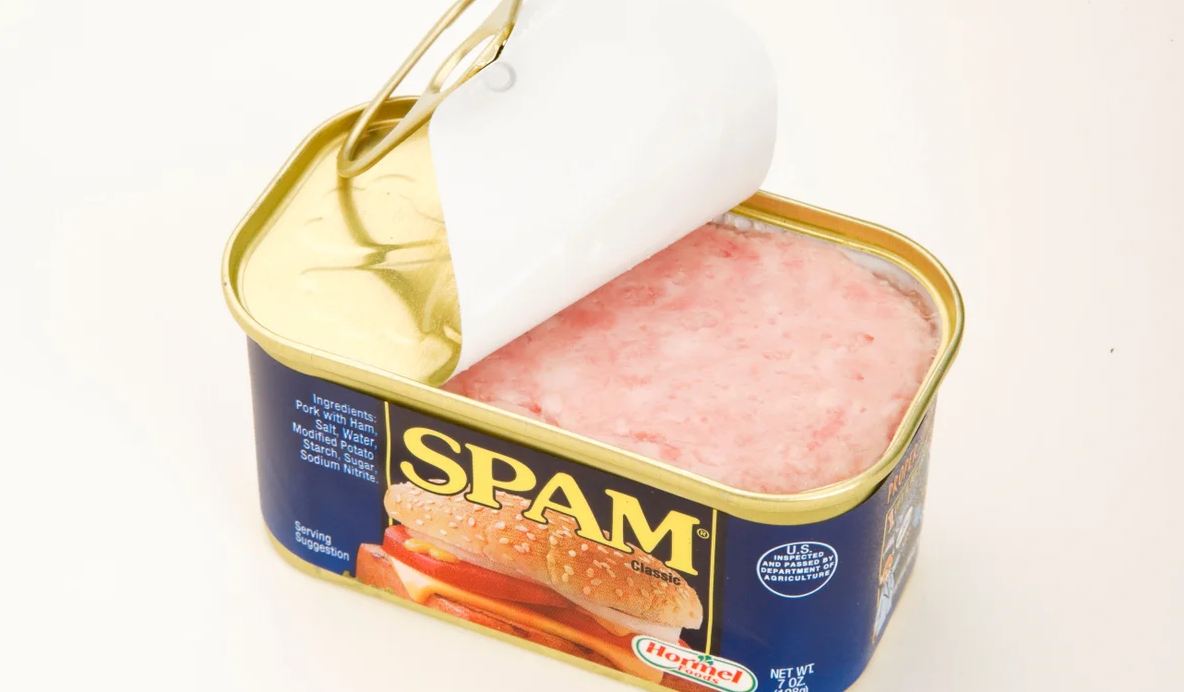
Inspect the can – Bulging, leaking, or rusted cans are a red flag. If none of these warning signs are present, the meat is safe to eat even if there’s clear jelly surrounding it.
Why Canned Meats Form Jelly
The jelly forms because of the natural proteins in pork, which are abundant in Spam. Proteins, when heated and then cooled, bind water to form a gel-like substance. This isn’t just a property of canned pork; it happens with other processed meats like ham, corned beef, and some pâtés. Interestingly, the jelly can actually improve the eating experience. Many people report that it keeps the meat moist and adds subtle flavor when heated. Some even scoop it onto rice or sandwiches for a richer texture.
What You Should Do Before Eating
If the can and meat appear normal, simply stir the jelly into the meat or remove it if you prefer. Heat thoroughly before consumption — this is standard for any canned meat. Some people prefer frying the slices lightly in a pan to improve flavor and texture. The important thing is not to panic. Clear jelly in Spam is a natural byproduct, not a sign of spoilage. Knowing this can save you from wasting perfectly good food and give you peace of mind next time you open a can.
The Bottom Line
Finding jelly in a can of Spam is a normal occurrence caused by the meat’s natural proteins and water content. It’s safe to eat, adds moisture, and doesn’t indicate spoilage. Always inspect the can and meat carefully, use your senses to check for warning signs, and enjoy this classic canned meat without unnecessary fear. Next time you open a can and see the jelly, remember: it’s just part of what makes Spam uniquely shelf-stable and ready to enjoy in a variety of dishes.