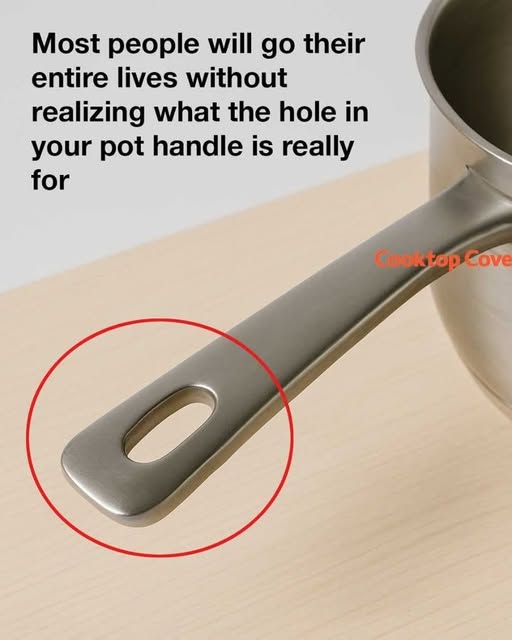
If you’ve ever used a saucepan, frying pan, or stockpot, you may have noticed a small hole near the end of the handle. It’s a tiny design feature that many people overlook, but it actually serves several practical purposes in the kitchen. Here’s everything you need to know about the hole in pot handles and why it’s more than just an aesthetic detail.
A Handy Hanging Spot
One of the most common reasons for the hole in pot and pan handles is for hanging storage. Many kitchens have hooks, racks, or wall-mounted organizers where cookware can be hung by the handle. The hole provides a convenient spot to loop a hook or peg through, keeping your pots and pans off the counter or out of crowded cabinets. Hanging cookware not only saves space but also helps keep your kitchen organized and your pots easily accessible. This is especially helpful in smaller kitchens or for those who love to cook and want their favorite pans within arm’s reach.
Improved Airflow and Drying
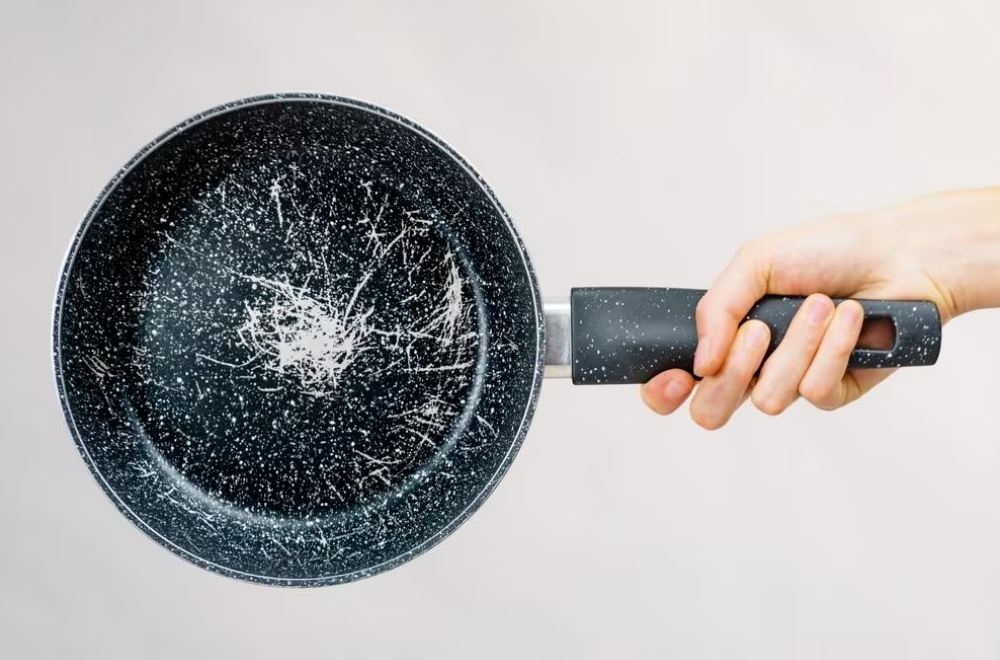
Another practical use of the hole is to improve airflow around the handle when the cookware is drying. After washing, hanging pots by their handles allows water to drip off more easily and prevents moisture from accumulating. This helps reduce the risk of rust or corrosion on metal handles and keeps wooden handles from warping or cracking. Good airflow also helps keep the kitchen cleaner by reducing moisture buildup in cabinets where pots might otherwise be stored stacked or piled.
Heat Dissipation
While the hole itself doesn’t directly cool the handle, the design often encourages a thinner or hollow handle construction around the hole, which can aid in heat dissipation. Handles made of metal, especially stainless steel or aluminum, can conduct heat from the pan body. Some manufacturers use holes or cutouts in handles to reduce the amount of material and thus reduce heat transfer, making handles cooler and safer to touch. For handles made from materials that don’t conduct heat well, like silicone or wood, the hole is mostly about hanging and airflow.
Aesthetic and Traditional Design
Beyond functionality, the hole in the handle is also a traditional design element that has been used by cookware makers for decades. It gives pots and pans a classic look and helps distinguish quality cookware. Some brands even add decorative shapes or engravings around the hole to add a unique flair. The design has become so common that it’s now an expected feature for many cooks and kitchen enthusiasts.
Additional Uses for the Hole
Beyond hanging, the hole can also serve as:
- A place to loop a string or tag when selling or gifting cookware.
- A grip point for better leverage when pouring from a pan.
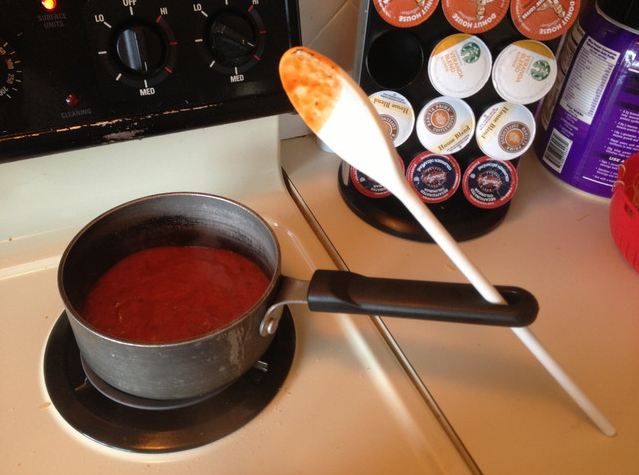
- A way to attach lid holders or other kitchen gadgets designed to clip onto the handle.
- Some modern cookware lines even use the hole as part of a modular system where accessories like steamers or splatter guards can be attached directly to the handle.
When the Hole Isn’t Present
Not all pots and pans have holes in their handles, especially some non-stick skillets or specialty pans with solid or insulated handles designed for maximum heat retention or safety. In these cases, manufacturers prioritize handle grip or insulation over hanging convenience.
Conclusion
The small hole in pot and pan handles may seem like a minor detail, but it serves several important purposes: from providing an easy way to hang cookware and save space, to helping handles dry properly and sometimes even improving heat safety. It’s a simple design feature born out of centuries of cooking traditions and modern practicality. So next time you reach for your favorite pan, take a moment to appreciate that little hole—it’s more useful than you might think!