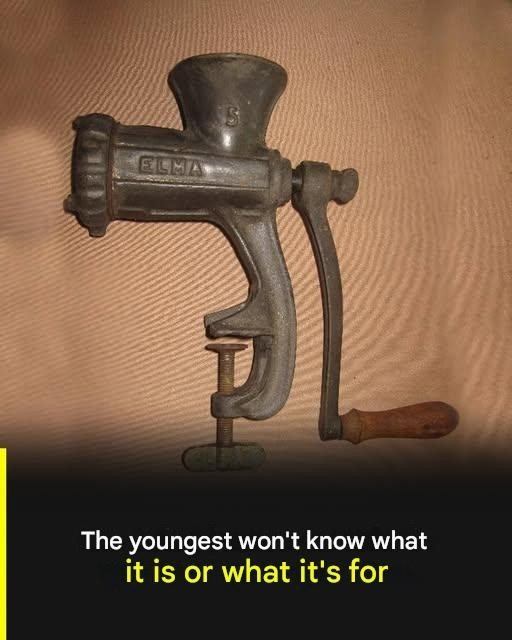
If you’ve ever stumbled upon a heavy, solid metal device at an estate sale or in your grandma’s kitchen, chances are you’ve found a vintage meat grinder. These classic kitchen tools, often made entirely of cast iron or steel, have a rich history and remain beloved by cooking enthusiasts, collectors, and DIY food makers today. But what exactly makes these old meat grinders so special? Let’s take a closer look.
A Brief History of Meat Grinders
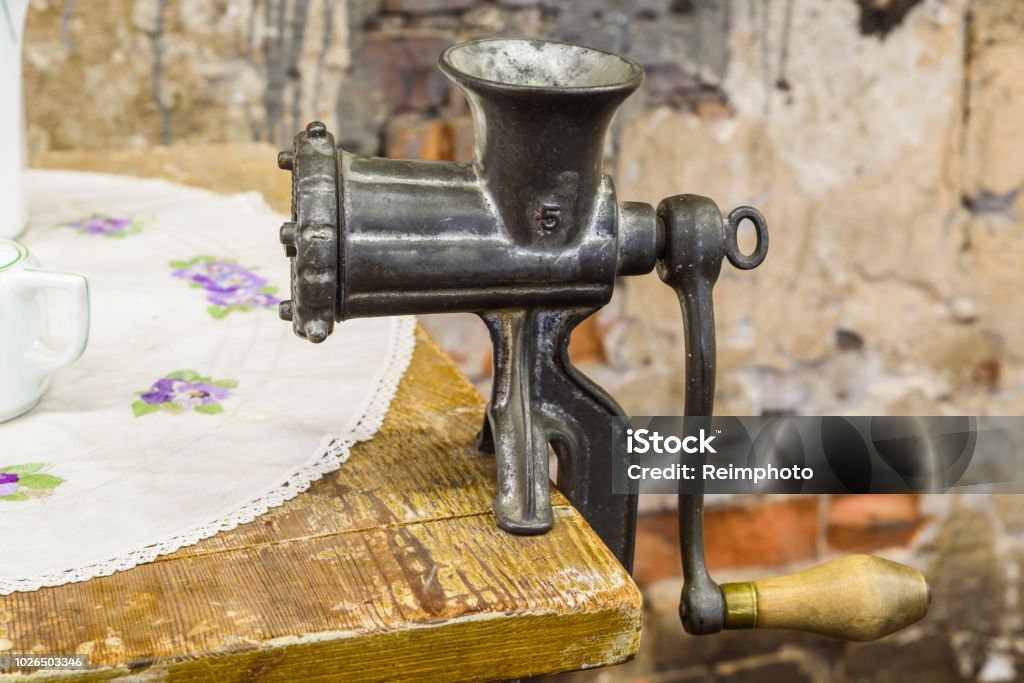
Meat grinders have been around for well over a century. The first manual meat grinder was invented in the late 1800s as a way to simplify the process of mincing meat at home or in butcher shops. Before that, people would have to chop meat by hand using knives — a time-consuming and labor-intensive task. Early grinders were built to be sturdy and durable, crafted mostly from cast iron with steel components. The device works by feeding chunks of meat into a hopper, then turning a crank handle that forces the meat through a set of blades and a perforated plate, mincing it uniformly.
Why Vintage Metal Meat Grinders Are Still Popular
- Durability: These grinders were built to last. Made from heavy-duty metal, they can withstand years of use and still work well. Unlike many modern plastic or electric grinders, vintage models rarely break or wear out.
- Manual Operation: Without electricity, vintage grinders are perfect for off-grid cooking or when you want full control over the grinding process. Turning the crank can be satisfying and gives a sense of connection to traditional cooking methods.
- Versatility: While primarily designed for grinding meat, these tools can also handle nuts, vegetables, and other foods with the right attachments. This makes them multi-functional for a variety of kitchen tasks.
- Nostalgia and Aesthetics: For many, using or displaying a vintage meat grinder brings back memories of family traditions and homemade meals. They also add rustic charm when displayed in kitchens or as collectibles.
How to Use a Vintage Meat Grinder
Using a vintage grinder is straightforward but requires a bit of preparation:
- Prepare the Meat: Cut meat into small, manageable pieces, removing bones and sinew.
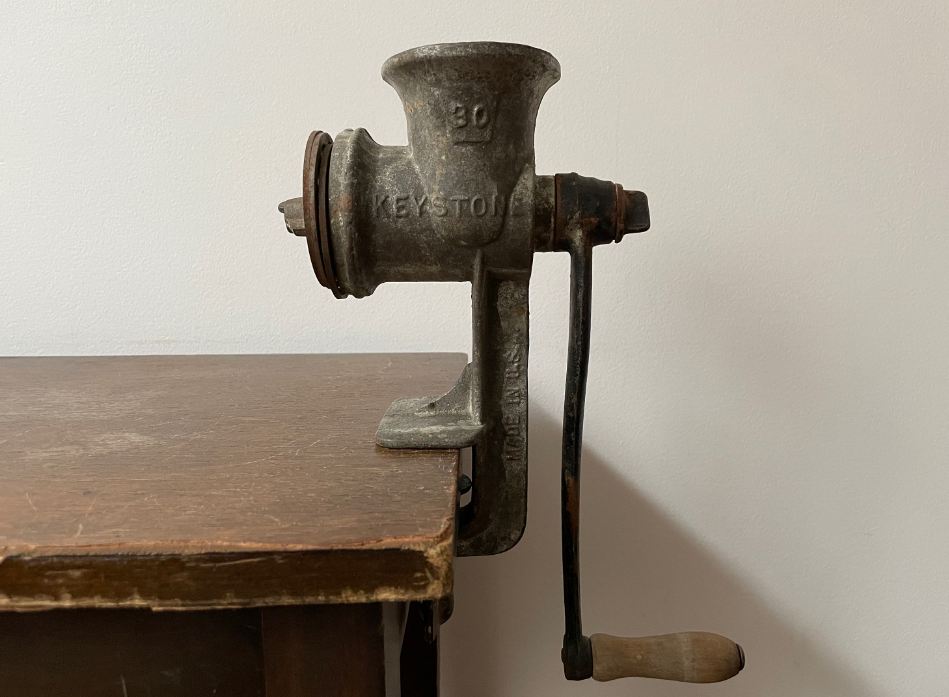
- Set Up the Grinder: Secure the grinder to a sturdy surface, like a countertop or table, using the built-in clamp.
- Feed and Turn: Place meat into the hopper and turn the crank steadily to push the meat through the blades.
- Collect the Ground Meat: A plate or bowl placed below catches the minced meat as it exits.
- Cleaning is essential after use — disassemble the grinder, wash all parts thoroughly, and dry to prevent rust.
Collecting and Caring for Vintage Meat Grinders
Collectors often seek vintage grinders for their craftsmanship and history. Some models carry maker’s marks or brand names that can indicate their origin and value.
To care for an old metal meat grinder:
- Avoid prolonged exposure to moisture to prevent rust.
- Apply food-safe mineral oil on metal parts after cleaning.
- Store in a dry place.
- Replace worn or damaged parts if possible, as many manufacturers still sell replacement components.
Modern Use and Appeal
Despite modern electric grinders and food processors, vintage meat grinders continue to hold a special place in kitchens worldwide. For those who enjoy DIY charcuterie, making fresh sausages, or simply want to relive traditional cooking techniques, these grinders are invaluable. They encourage slowing down, appreciating the cooking process, and controlling the quality of ingredients — qualities that many find lacking in today’s fast-paced food culture.
Final Thoughts
Old vintage metal meat grinders are more than just kitchen tools — they are symbols of heritage, craftsmanship, and culinary tradition. Whether you use one for grinding fresh meat or as a nostalgic piece in your kitchen, these grinders remind us of a time when cooking was hands-on, personal, and deeply rewarding. If you ever come across one, consider giving it a new life. It’s a functional piece of history that continues to bring flavor — and meaning — to modern meals.