
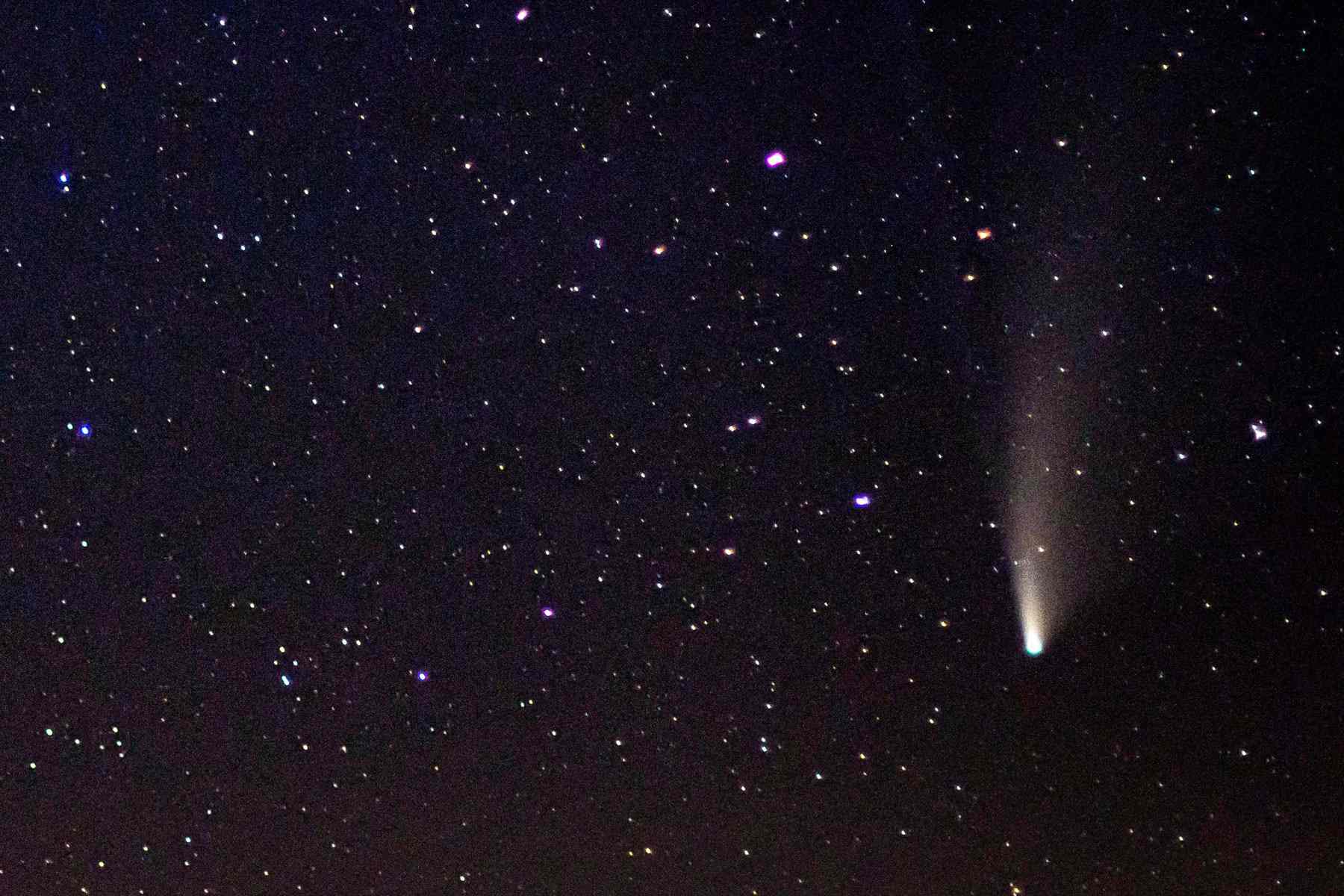
Astronomers are closely watching a rare comet passing through the inner solar system in April 2026. Known as C/2026 A1 (MAPS), this “sungrazing” comet has captured attention because it passes extremely close to the Sun and may become briefly visible from Earth under the right conditions. Some comets in this category disintegrate during their solar approach, while others brighten dramatically and develop long glowing tails that can be seen with binoculars or even the naked eye.
What Happened Around April 10
The best viewing window began just after the comet’s close encounter with the Sun around April 4. As it moved away from the Sun’s glare, observers in dark-sky locations were advised to look low in the western evening sky shortly after sunset. In some regions, the comet was expected to appear as a faint glowing object with a developing tail, although visibility depended heavily on whether it survived its solar flyby intact.
Where and When to Look
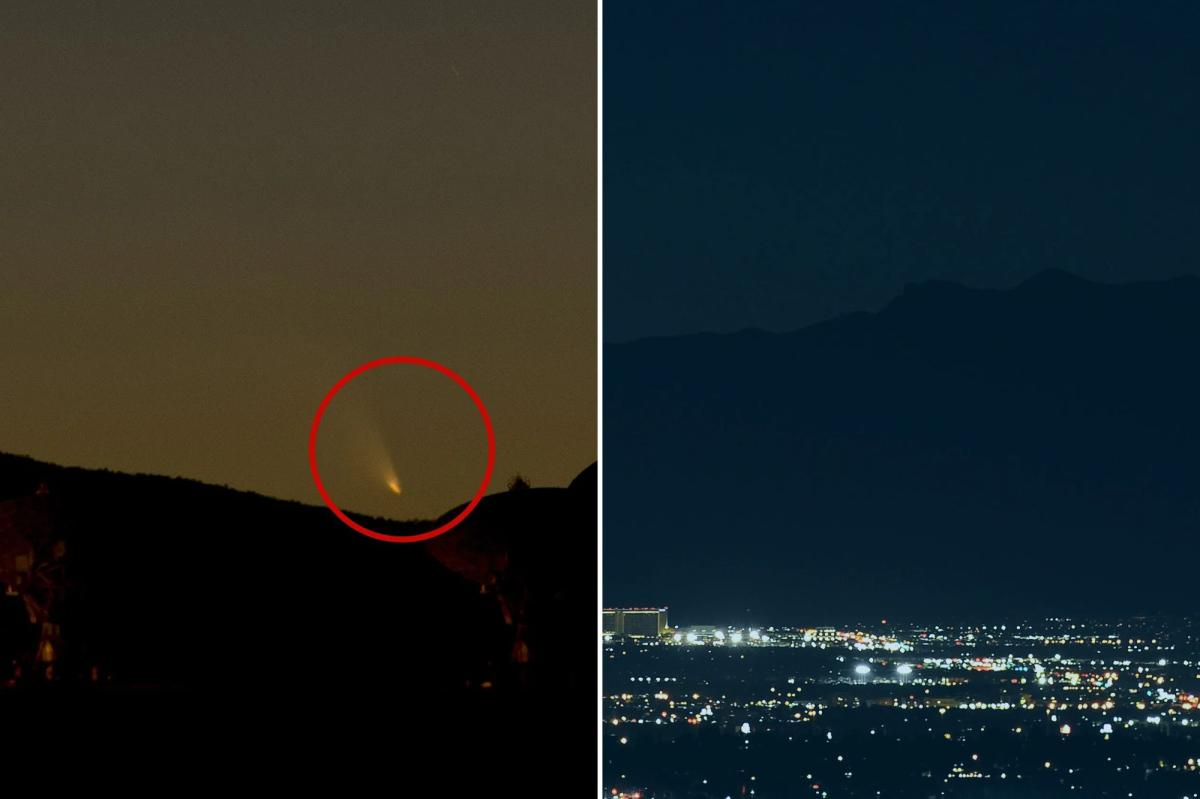
For skywatchers in the Northern Hemisphere, the comet was most likely to be visible very close to the horizon, making a clear, unobstructed view essential. The best time was shortly after sunset or in early twilight when the sky was dark enough but the comet had not yet set. Experts recommended choosing a location away from city lights, ideally with a clear view of the western horizon. Binoculars or a small telescope could help improve visibility, especially if the comet appeared faint.
Why This Comet Is Special
C/2026 A1 (MAPS) is part of a family of comets known for extremely close passes to the Sun. These objects often originate from a larger parent comet that broke apart centuries ago, and their orbits bring them dangerously near the Sun’s outer atmosphere. During this intense approach, ice inside the comet rapidly vaporizes, releasing gas and dust that form a glowing coma and tail. This is what makes comets visible from Earth—but also what can destroy them completely.
What Scientists Observed
During its perihelion, the comet reached an extremely close distance to the Sun and likely experienced intense heating and gravitational stress. Observations suggest that instead of surviving as a single object, it may have broken apart into a stream of debris. This outcome is common for sungrazing comets, especially those that pass within a few hundred thousand miles of the Sun’s surface.
Why People Were Excited
Even though its fate was uncertain, the comet generated global excitement because such objects can become unexpectedly bright, sometimes rivaling the brightest planets in the sky. In rare cases, they can even be visible during daylight. Astronomers and skywatchers closely tracked its progress in real time using space-based observatories to understand whether it would survive or disintegrate.
Conclusion
The rare comet of April 2026 offered a dramatic reminder of how dynamic our solar system is. While its visibility depended on timing, location, and survival after its solar pass, it still provided a unique opportunity for both scientists and skywatchers. Whether seen clearly or only through instruments, its journey highlighted the fragile and unpredictable nature of comets as they travel through the inner solar system.