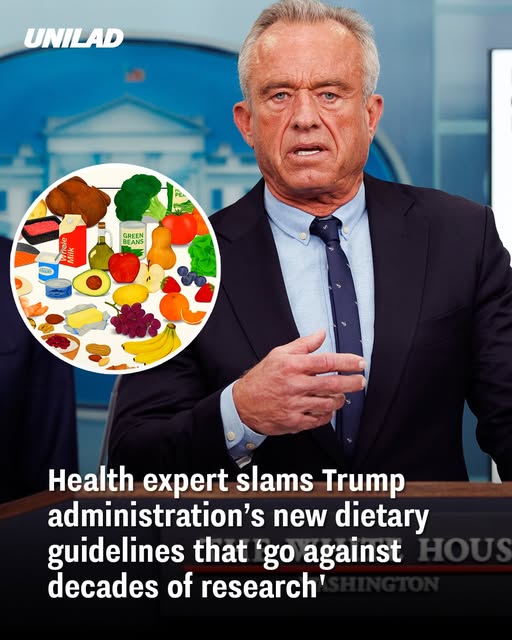
The Trump administration and Health Secretary Robert F. Kennedy Jr. recently unveiled a new set of federal dietary guidelines meant to shape American eating habits through 2030. While the White House promoted these recommendations as a major reset aimed at improving public health, a number of nutrition experts have spoken out strongly against aspects of the plan, claiming it undermines decades of established research on healthy eating.
Supporters of the new guidelines say they encourage more whole foods and less ultra-processed food, promote a greater role for protein and healthy fats, and aim to simplify nutrition advice for the public. But critics — including some respected dietitians and public health professionals — argue that parts of the guidance go against decades of established nutritional science and could confuse consumers.
What’s Changed in the New Guidelines
This updated version of the Dietary Guidelines for Americans takes a notably different approach compared with past editions. It:
- Emphasizes real, minimally processed foods rather than packaged products.
- Recommends higher protein intake, including meat and full-fat dairy options.
- Signals a relaxation of prior cautions against certain fats, including saturated fats, which have traditionally been limited due to links with heart disease.
- Encourages the reduction of added sugars and highly refined carbohydrates.
- The visual representation of the guidelines — a revamped food pyramid — is strikingly different, placing items like meat, healthy fats, and vegetables at the top and reducing the prominence of grains and plant-based sources that were emphasized in older versions.

Expert Pushback: ‘Against Decades of Research’
One of the most vocal criticisms comes from health experts who say parts of the new policy contradict long-standing scientific evidence. Some experts argue that:
- The higher prominence of red meat and full-fat dairy may inadvertently encourage consumption of foods that contribute to increased LDL cholesterol and heightened cardiovascular risk if eaten in excess.
- Saturated fats have been associated in prior research with heart disease risk, a point critics believe the new guidelines downplay or dismiss.
- The shift in dietary emphasis feels more ideological than evidence-based to some members of the nutrition community.
Critics have also questioned the process by which the guidelines were developed, noting that portions of the accompanying scientific review included input from researchers with ties to meat and dairy interests, raising concerns about potential industry influence. These opponents contend that such involvement could compromise the objectivity needed for public health-focused advice.
Public Health Experts Point to Mixed Messaging
Even among professionals who agree with some components of the guidelines — such as avoiding highly processed foods and cutting back on added sugars — there is unease over the overall balance and direction. Some say the recommendations could confuse people who have been educated for decades to think in terms of balanced diets including controlled fat intake and emphasis on grains, fruits, and vegetables. Concerns have also been raised about the accessibility of suggested foods, as whole, unprocessed options can be more expensive and less readily available in low-income communities. Critics argue that without addressing these socioeconomic realities, the impact of new guidance may be limited or inequitable.

Administration Stands Firm on New Approach
Despite the criticism, White House officials and health administrators have defended the guidelines as grounded in common-sense nutrition and reflective of the nation’s evolving understanding of food and health. They have emphasized the need to steer Americans away from ultra-processed foods and toward more nutrient-dense options, arguing that doing so will help combat chronic diseases like obesity, diabetes and heart disease over the long term. The debate highlights the tension between emerging dietary philosophies and the conventional scientific consensus that has guided public health recommendations for decades. As the guidelines begin to influence school lunches, federal feeding programs and consumer choices, the controversy is likely to continue shaping how nutrition is discussed and practiced in the United States.