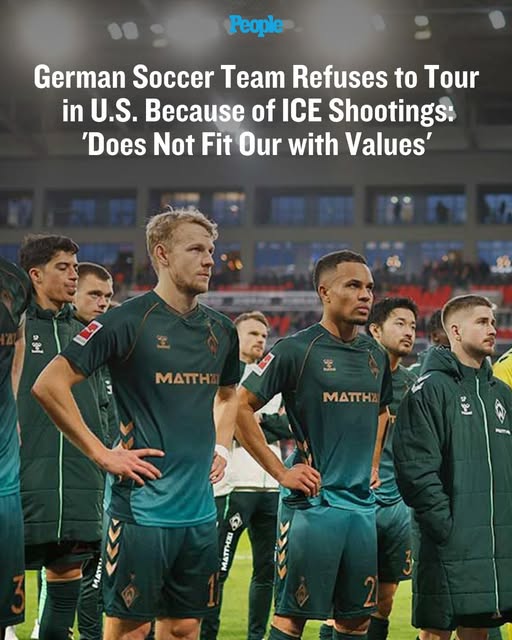
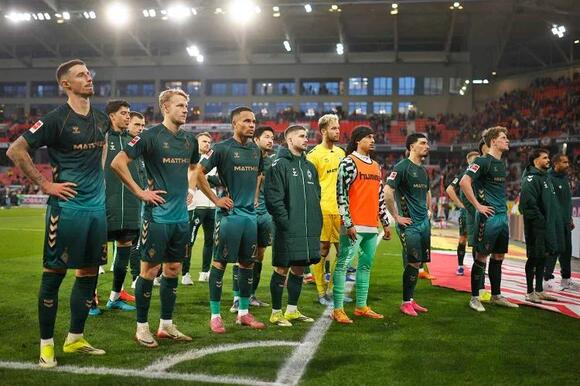
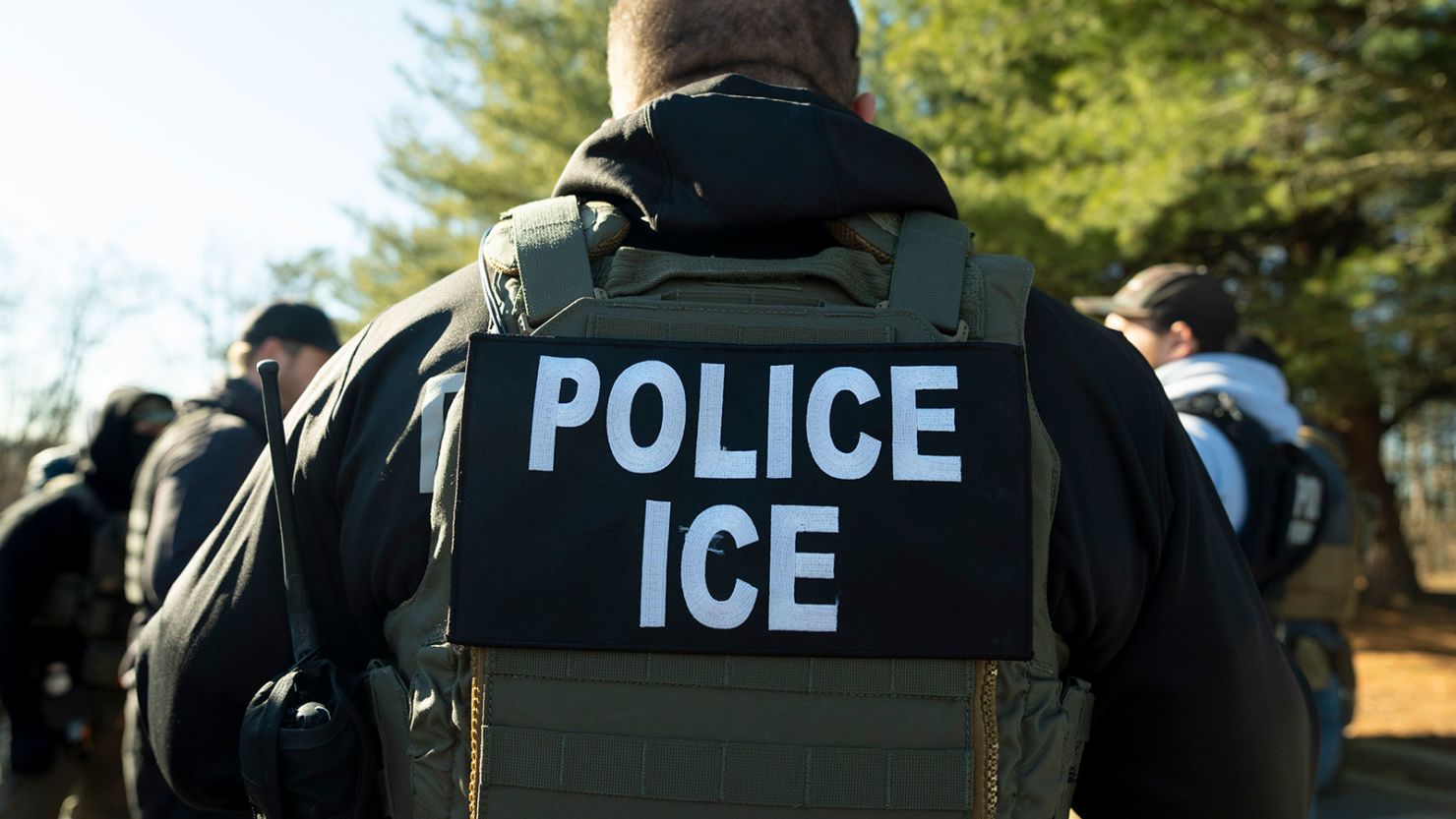
The SV Werder Bremen, a professional German soccer club, has cancelled a planned tour of the United States that was expected to include friendly matches in Minnesota and Detroit this coming May. The decision came after serious concerns about recent events in the U.S., particularly in Minneapolis, where federal immigration enforcement has sparked controversy and unrest.
In statements from the club, officials said the cancellation was driven by a mix of sporting, economic, and political reasons. They emphasized that holding matches in cities experiencing social unrest “does not fit with our values,” pointing directly to the fatal shootings of two American citizens by federal agents.
Fatal Shootings and Backdrop of Tension
The fatalities referenced involved Renee Nicole Good and Alex Pretti, both 37, who were shot last month in Minneapolis. Good, a mother of three, was killed on January 7 while returning from school with her partner, and Pretti, an ICU nurse, was killed on January 24 in circumstances that witnesses described as non-violent before federal agents opened fire. These incidents have contributed to significant tension and protests in the area and have drawn widespread attention and criticism in both the U.S. and abroad. Some activists and public figures have called for accountability and changes to immigration enforcement practices, while supporters of border enforcement have defended agents’ actions as part of broader security efforts.
Concerns Over U.S. Entry Policies
In addition to concerns about unrest, Werder Bremen pointed to changes in U.S. entry requirements as a complicating factor. New procedures reportedly include stricter checks of social media and personal histories, creating uncertainty about which players would be granted visas. This, the club said, made planning and participation more difficult. Officials also noted that the team’s current challenging Bundesliga sporting situation and the financial risks of a tour in such an unstable climate contributed to their decision.
Club Values and International Context
The club framed its decision in terms of values and ethics rather than purely logistical concerns. A spokesperson highlighted that playing in a location with ongoing unrest and where people have been shot is inconsistent with what the organization stands for. This ethical stance aligns with Werder Bremen’s broader reputation, as the club and its fan base have been vocal on political and social issues in the past, including protesting online hate and discrimination.
Reaction from the U.S. and Abroad
The tours of European soccer clubs, particularly in the U.S., are usually routine and often tied to preseason training and global engagement. The cancellation of Bremen’s trip represents a notable break from that pattern, reflecting how international sports organizations are responding to turbulent social and political contexts. Locally in Minneapolis, community members and families affected by the shootings have been active in memorials and public discourse about justice and policy reform following the deaths of Good and Pretti.
Conclusion
The decision by SV Werder Bremen to cancel its planned U.S. tour highlights how modern sport no longer exists in isolation from social and political realities. While international preseason tours are typically focused on preparation, fan engagement, and commercial growth, this situation shows that broader concerns — including safety, public unrest, and ethical considerations — can outweigh traditional sporting priorities. By stepping back from the trip, the club signaled that its values and the well-being of its players and staff take precedence over financial or promotional opportunities. The move also underscores how global events can influence decisions far beyond national borders, especially in an era when sports organizations are increasingly expected to take positions that reflect their principles. Ultimately, the cancellation serves as a reminder that football clubs are not just competitive entities but institutions embedded within wider communities and global conversations. Whether one agrees with the decision or not, it reflects a growing awareness that actions on and off the field are deeply interconnected — and that even friendly matches can carry significant symbolic weight in times of tension.