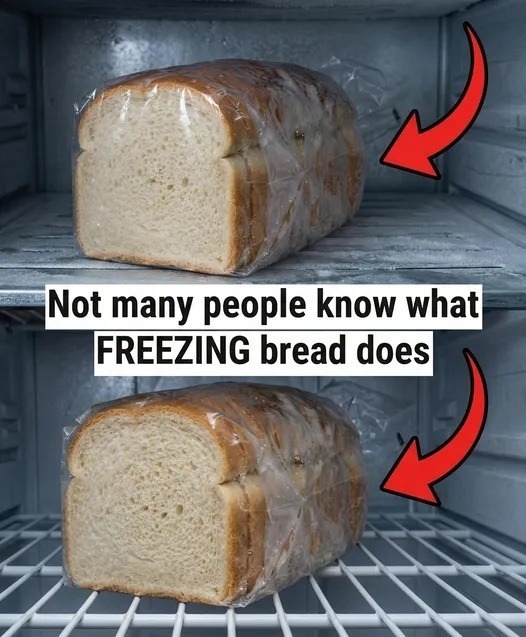
Here’s a useful, practical article based on reliable food storage tips about freezing bread and preventing it from drying out after freezing (based on best-practice guidance from food experts and nutrition sources):
How to Freeze Bread Without It Drying Out: A Complete Guide
Freezing bread is one of the easiest ways to preserve it for weeks or even months—but if you don’t wrap and store it properly, the chilling cold can dry it out, develop freezer burn, and turn a soft loaf into a crumbly disappointment. With a few simple techniques, you can keep your bread soft, tasty, and satisfying long after it leaves the oven or bakery shelf.
Why Bread Dries Out in the Freezer
When bread is exposed to air and fluctuating freezer temperatures, the moisture inside it can migrate outward and form tiny ice crystals. Over time those ice crystals can evaporate and leave dry patches—this is known as freezer burn and results in stale, hard bread. To avoid this, your goal is to minimize air exposure and moisture loss before freezing and during storage.
Step-by-Step: Freezing Bread the Right Way
1. Cool Completely First
If the bread is freshly baked, let it cool all the way down before freezing. Warm bread trapped in packaging can create unwanted condensation and ice crystals.
2. Wrap It Tightly
Use plastic wrap, aluminum foil, or both to cover the bread tightly. Wrapping helps prevent moisture loss and protects the bread from cold dry air. Double wrap for best results: first with plastic wrap, then with foil. For sliced bread, individual slices can be wrapped or placed in freezer bags.
3. Use Airtight Freezer Bags or Containers
After wrapping, place the bread in airtight freezer bags or containers. Remove as much air as possible before sealing. This provides a strong barrier against freezer burn and helps the bread retain its moisture.
4. Slice Before Freezing (Optional)
If you plan to use bread one or two slices at a time, slice before freezing. This way you can take out only what you need without thawing the whole loaf, which helps keep the rest sealed and moist.
Thawing Without Drying
How you defrost bread matters for texture:
- Room Temperature: Let the bread thaw in its packaging on the counter for a couple of hours. This helps the moisture redistribute slowly, keeping the crumb softer.
- Oven Revival: If the bread feels a little dry after thawing, wrap it in foil and warm it in the oven (about 160–175 °C / 325–350 °F) for 5–10 minutes. This can help restore tenderness and fresh flavor.
- Toaster From Frozen: For pre-sliced loaves, putting frozen slices straight into the toaster is a quick way to get crisp edges and warm interiors without waiting for full thaw.
Additional Tips That Help
Label and Date Your Bread
Marking the date on freezer bags helps you use older bread first and avoid letting it sit too long—breads are best eaten within about three months for optimal quality.
Avoid the Refrigerator
Storing bread in the fridge (not the freezer) can actually make it go stale faster due to a process called starch retrogradation, which dries out the crumb. Freezing instead slows the aging process.
Flash Freeze Small Portions
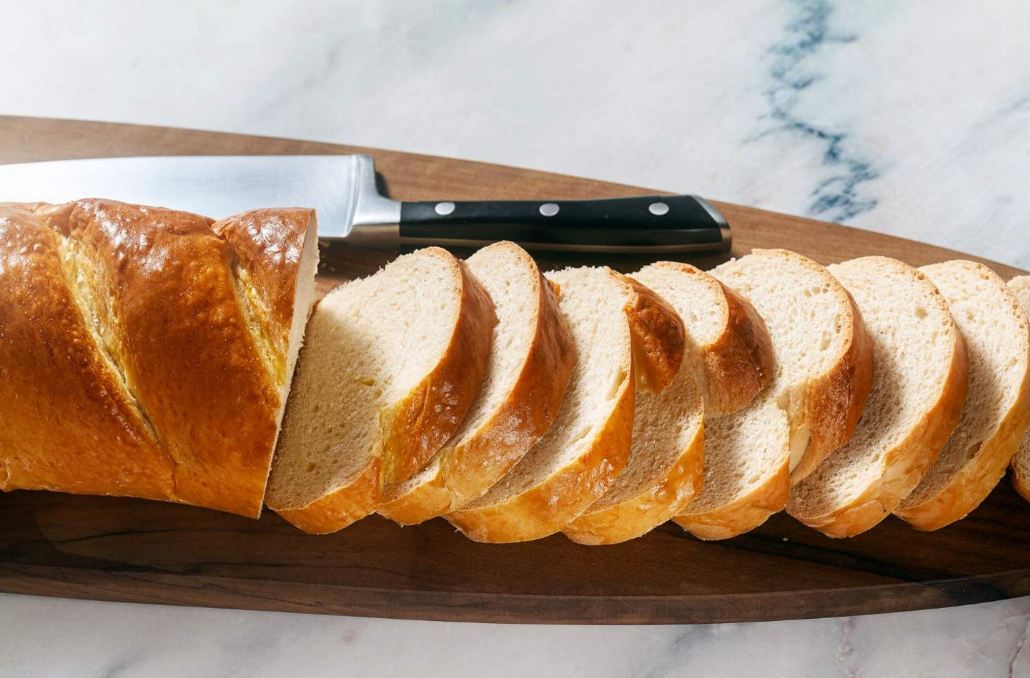
If you slice and place pieces in the freezer without stacking initially (flash freeze on a tray first), they won’t stick together later—making them easier to separate and toast.
Final Thought
With an airtight wrap, careful portioning, and proper thawing methods, freezing bread can preserve softness and flavor without the dreaded dryness that often comes from careless storage. Treat your bread right before it goes in the freezer, and you’ll enjoy it almost as fresh as the day you bought or baked it—even weeks later.