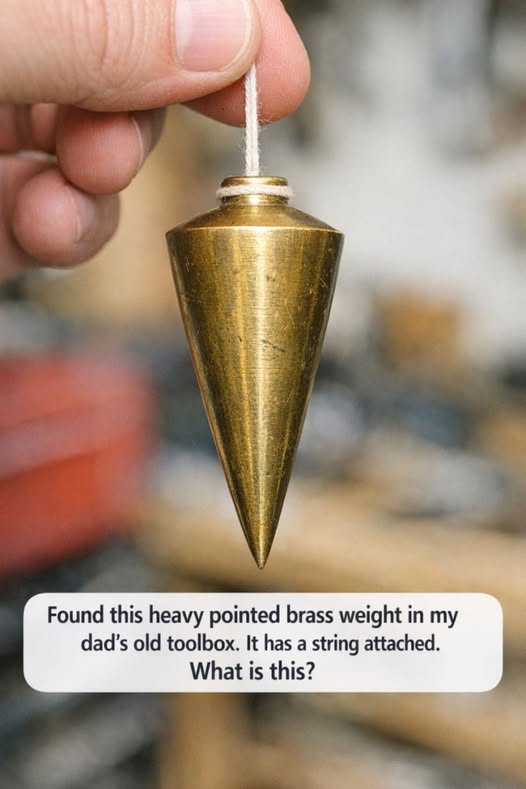
If you found a heavy, pointed brass weight with a string attached inside an old toolbox, there is a strong chance it is a traditional construction tool known as a plumb bob. These tools were commonly used in building, carpentry, masonry, and surveying especially before modern laser levels and digital measuring devices became widely available. Because many older toolkits included simple mechanical measuring instruments, discovering one in a father’s or grandfather’s toolbox is not unusual. The design a dense metal weight with a sharp tip and an attached string strongly matches the structure and function of a plumb bob.
What Is a Plumb Bob?
A plumb bob is a simple but highly effective tool used to establish a perfect vertical line. It works based on gravity. When the weight is suspended from a string, gravity pulls it straight downward. The string then forms a vertical reference line that builders can use to check alignment. The pointed tip at the bottom of the weight helps mark an exact position on the ground or surface beneath it. This allows the user to determine whether walls, posts, or structures are standing straight up. Although modern technology has replaced many traditional tools, the plumb bob remains useful because it is reliable, mechanical, and does not require batteries or calibration.
Key Features of a Plumb Bob
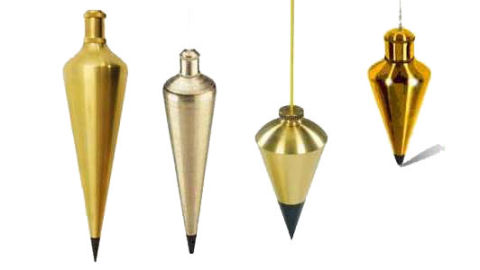
If you examine the object closely, several characteristics can confirm whether it is a plumb bob:
1. Heavy Metal Body
Most plumb bobs are made from dense materials such as brass, steel, or sometimes iron. Brass is especially common because it is durable, corrosion-resistant, and provides sufficient weight for accurate alignment. The heaviness is important — it ensures that the string remains taut and stable, reducing movement caused by wind or vibration.
2. Pointed or Tapered Tip
The bottom of the weight typically ends in a sharp or pointed tip. This design allows precise marking of a point directly below the suspended string. The sharper the point, the more accurate the measurement.
3. String or Attachment Point
A hole, hook, or threaded top usually connects the string to the weight. The string is essential because it allows the object to hang freely and form a straight vertical line. If your object has these three features — weight, pointed end, and string — it is almost certainly a plumb bob.
What Was It Used For?
Plumb bobs were widely used in:
- Construction – Checking if walls, door frames, and support posts were vertical
- Carpentry – Ensuring accuracy when installing structures
- Masonry – Aligning brick or stone layers properly
- Surveying – Measuring vertical reference points
- Metalworking and engineering – Positioning equipment and structural components
- Before laser levels, spirit levels, and digital measuring tools became common, this simple device was essential for maintaining structural precision.
Even today, some professionals still use plumb bobs for specific tasks because they are straightforward and dependable.
Why It Might Be in an Old Toolbox
Finding one inside an old toolbox makes sense if the owner worked in construction, woodworking, or a related trade. It was once considered a standard tool for skilled workers. Many older tools were built to last — especially brass ones — so they often survive decades without damage. The presence of a string attached also suggests it may have been used regularly rather than being purely decorative.
How to Be Sure
To confirm its identity, you can test it:
- Hang it from the string and see if it naturally points straight downward.
- Check whether the tip aligns precisely under the string.
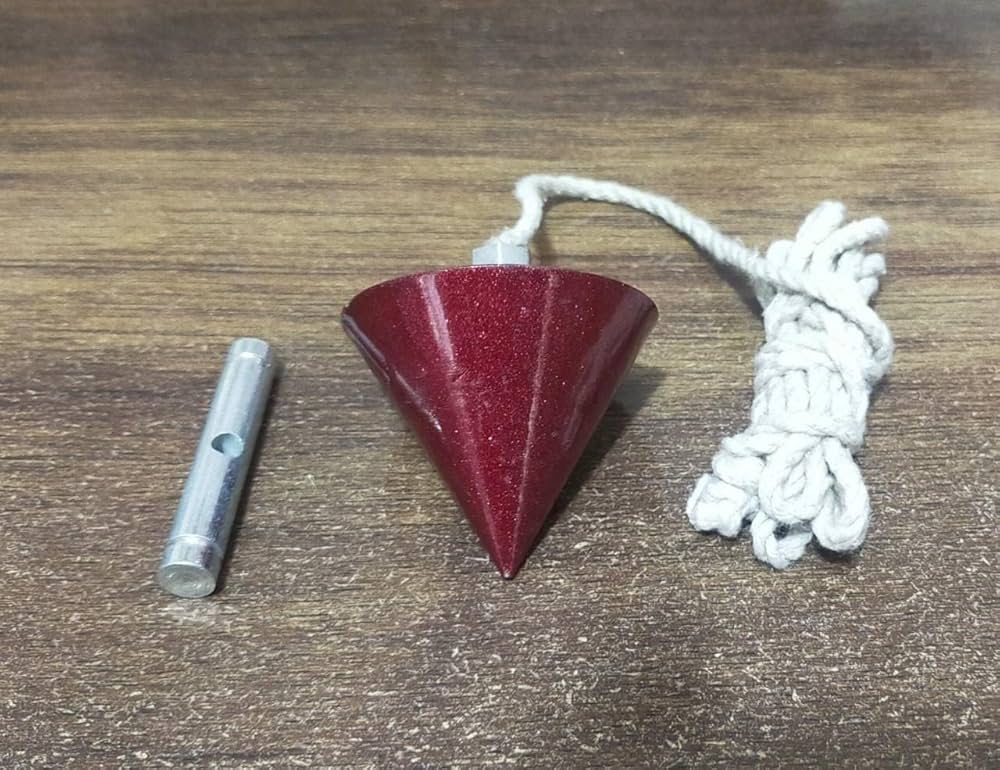
- Examine the shape — does it resemble a traditional weighted cone or teardrop form?
- If it behaves like a vertical reference weight and matches the physical description, then you’ve likely found a classic plumb bob.
Final Conclusion
A heavy pointed brass object with a string attached is most commonly a plumb bob, a traditional tool used to measure vertical alignment in construction and other trades. Its simple design relies on gravity to provide accuracy and remains a reliable instrument even in modern times.