As people get older, the body naturally loses muscle mass and strength a process called sarcopenia which can affect balance, mobility, and overall independence. While regular physical activity, especially strength training, is key to maintaining muscle, diet plays an equally important role. Eating the right foods helps support muscle repair, growth, and function while reducing inflammation and maintaining overall health.
Protein is a cornerstone nutrient because muscles are made mainly from amino acids, the building blocks of protein. Older adults often need more protein per meal than younger people to stimulate muscle protein synthesis effectively.
1. Lean Meats and Poultry
Lean meats such as chicken, turkey, and lean beef cuts are excellent sources of high‑quality protein rich in essential amino acids. These help repair and build muscle tissue after activity and throughout the day. Including lean meats regularly can support strength, mobility, and metabolic health as you age.
2. Fatty Fish (Salmon, Tuna, Mackerel)
Fatty fish like salmon, tuna, and mackerel offer a powerful duo of benefits: high‑quality protein plus omega‑3 fatty acids — healthy fats that help reduce inflammation and may improve the muscle‑building response. Omega‑3s also support heart and brain health, which are especially important in older adults. Salmon, in particular, has been highlighted by nutrition experts as ideal for people over 50 because of its protein, omega‑3s, and even vitamin D content — nutrient factors that support strong muscles and healthy aging.

3. Eggs
Eggs are a complete protein source (containing all essential amino acids), making them especially valuable for muscle maintenance and repair. They also supply vitamin D and B vitamins, which help with energy metabolism and nerve‑muscle communication. Eating whole eggs (not just whites) is often recommended for older adults because the yolk contains nutrients that support muscle and bone health.
4. Dairy Products (Milk, Greek Yogurt, Cottage Cheese)
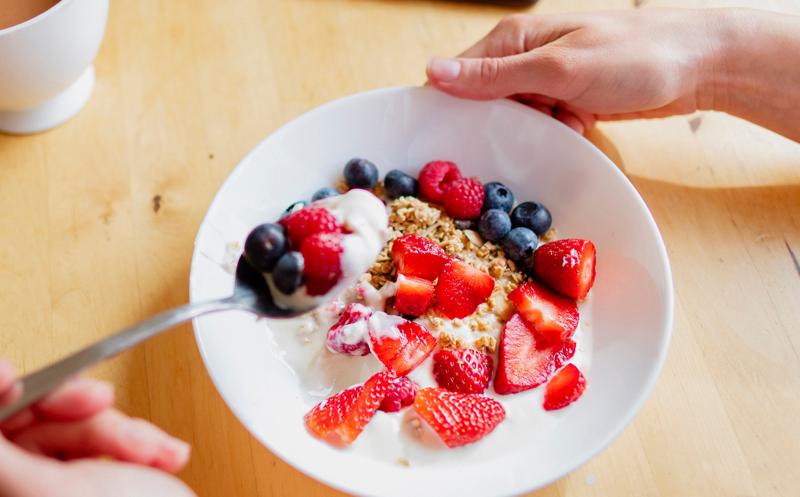
Dairy products provide both protein and calcium, which help maintain muscle strength and bone health. Greek yogurt and cottage cheese are particularly high in protein and can be used in breakfasts, snacks, or smoothies to spread protein intake evenly throughout the day. Whey protein found in milk is highly digestible and rich in leucine, a key amino acid that stimulates muscle protein synthesis.
5. Plant‑Based Protein Sources
For those who prefer plant‑based diets, options like tofu, beans, lentils, and quinoa are excellent muscle‑supporting foods. While some plant proteins are incomplete on their own, combining them (e.g., beans with grains) ensures a complete mix of essential amino acids. Tofu and legumes also bring magnesium and fibre — nutrients that support energy metabolism and overall health.
6. Nuts, Seeds and Whole Grains
Nuts and seeds (like almonds, chia, and flaxseeds) provide protein, healthy fats, and micronutrients such as magnesium — important for muscle function, recovery, and energy use. Whole grains like quinoa add both energy and a modest amount of protein, helping older adults meet calorie and nutrient needs.
7. Fruits and Vegetables That Support Muscle
While not high in protein, fruits and vegetables contribute antioxidants and micronutrients that support muscle recovery and reduce inflammation. Leafy greens (spinach, kale) are rich in magnesium and potassium, which help with muscle contraction and reduce soreness after activity. Berries provide powerful antioxidants that combat inflammation and support recovery.
Hydration and Nutrient Timing
Staying well‑hydrated is also critical for muscle health since muscle tissue is largely water. Dehydration can impair performance and recovery. Distributing protein evenly across meals rather than consuming most at once also helps older bodies to use amino acids more efficiently for muscle synthesis.
Final Takeaway: Balance and Consistency
To support muscle strength in older age, focus on a balanced diet rich in high‑quality proteins, healthy fats, vitamins, and minerals. Combining these foods with regular strength training or resistance activity enhances muscle maintenance, aids recovery, and promotes a stronger, more independent life as you age.