Imagine boarding a plane not just to travel, but to experience an event something as glamorous and elegant as attending a formal dinner or a night at the theater. In the golden age of aviation, roughly spanning the 1940s through the 1970s, flying was an entirely different experience compared with today’s routine of tight seats, budget tickets, and strict boarding procedures.
Back then, air travel was synonymous with sophistication, luxury, and personal service, especially on long-haul flights. Passengers dressed in their finest clothes, flight attendants were impeccably uniformed, and the aircraft cabins were designed to feel spacious and inviting. A trip by plane was something people savored, not just endured.
Dressing Up for Departure
Flying during this era wasn’t casual. Men typically wore suits, ties, and polished shoes, while women were dressed in dresses, heels, and often gloves or hats. Airports themselves were elegant spaces, with lounges that felt more like hotel lobbies than transit hubs. Travelers mingled before flights, exchanging polite conversation and reading newspapers or magazines over coffee and snacks. Check-in was less hurried and rushed. There were fewer crowds, and staff often assisted passengers personally, helping with luggage and escorting them to waiting areas. Even security checks — long before the modern era of strict screening — were minimal, allowing for a gentler transition from ground to sky.
A Warm Welcome on Board
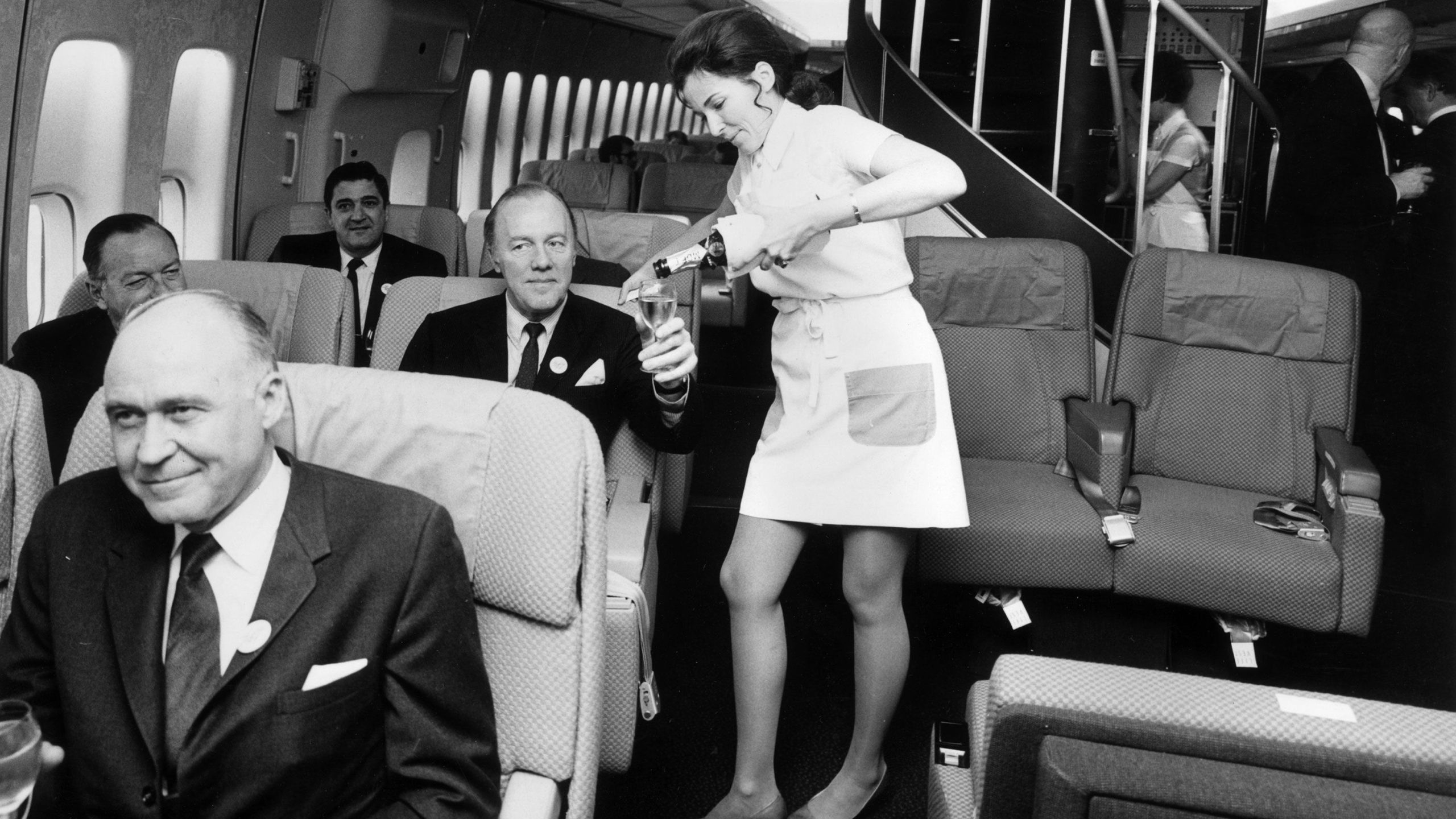
Once on the aircraft, passengers were greeted by friendly flight attendants whose roles were as much about hospitality as they were about safety. These attendants — often called stewardesses in that time — wore polished uniforms complete with caps, and their training emphasized poise, elegance, and attentive service. Seating arrangements were spacious by modern standards. Wide, reclining seats provided ample legroom, and cabins were quieter, with fewer rows crammed together. Travelers could relax, stretch out, and take in the view from large windows. Before takeoff, attendants often offered passengers a refreshing towel and a welcome drink — perhaps juice or a classic cocktail. This simple gesture set the tone for a comfortable and civilized journey.
Fine Dining at Altitude
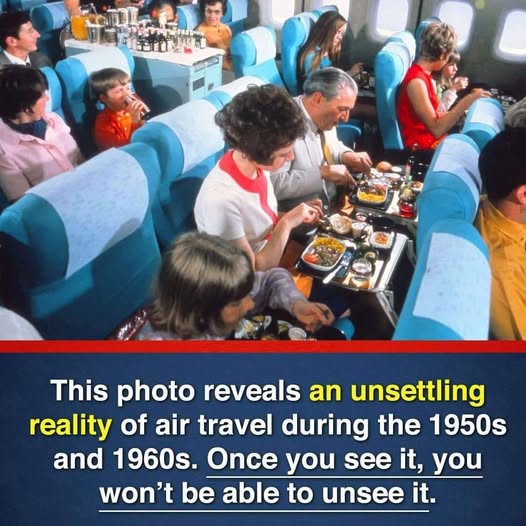
One of the most remarkable differences between golden-age flights and today’s air travel was the quality of meals served in the sky. Instead of packaged snacks or pre-sealed sandwiches, passengers were treated to multi-course gourmet meals. Food was prepared with care, plated on china, and served with metal cutlery. Menus varied by airline and destination, but often included soup or salad, a main course with meat or fish, fresh bread, dessert, and even fine wine or champagne. Flight attendants moved through the cabin with trays, engaging passengers in conversation and ensuring everyone had what they needed.
Meals were not rushed. There was no sense of being hurried through dinner before being told to return your seat to the upright position. Instead, passengers dined at a leisurely pace — as if sitting in a restaurant above the clouds.
Entertainment and Comfort
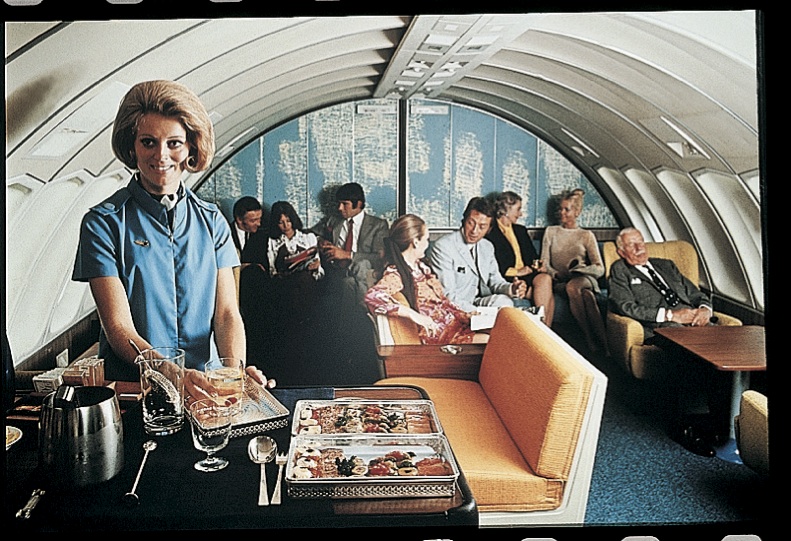
Unlike today’s individual screens and earbuds, entertainment in the golden age was more communal and novel. On longer flights, passengers might watch a film projected on a screen at the front of the cabin, or listen to music broadcast over speakers. Books, magazines, and conversation were also popular ways to pass the time. Cabin crew frequently walked through the aisles with carts offering coffee, tea, or even a nightcap. Some flights included lounge areas or space for stretching and socializing. In first class especially, the atmosphere was relaxed and friendly — imagine cocktail hours and shared stories at 30,000 feet.
Touching Down with Grace
Upon landing, passengers were often applauded — a spontaneous recognition of a smooth journey and a comfortable flight. Stepping off the aircraft, travelers still dressed well and moved through elegant terminals that had separate lounges and even porter service for luggage. In the golden era of aviation, flying wasn’t just transportation; it was a luxury experience, a chance to be pampered and to relish every moment of the journey. From the elegant attire at departure, to the gourmet meals, gracious service, and relaxed cabin atmosphere — every detail reflected an era when air travel was truly special.