
Everyone does it, but few people talk about it openly: passing gas, also known as flatulence, is one of the most natural processes your body does every day. While it can be embarrassing in social settings, farting isn’t a sign of something wrong. In fact, it’s often a positive sign that your digestive system is working the way it should.
A Sign of a Healthy Gut Microbiome
Your digestive system is full of bacteria that help break down the food you eat. These bacteria ferment carbohydrates, fiber, and resistant starches in your intestines, producing small amounts of gas as a by-product. When you pass gas regularly, it means those microbes are actively doing their job — breaking down food efficiently and supporting nutrient absorption. That activity is a core part of good gut health. Gut health is increasingly linked to overall health, influencing your immune system, mood, and even energy levels. Regularly producing gas shows that your gut microbiota is alive and functioning properly — a good indicator that your body is digesting a balanced diet that includes plenty of fiber from vegetables, fruits, and whole grains.
Relieving Pressure and Discomfort
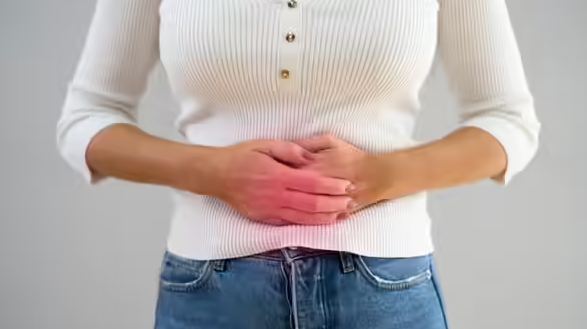
One of the most direct benefits of passing gas is relieving internal pressure in the intestines. Gas can build up as food moves through your digestive tract, and if it can’t escape, it can lead to uncomfortable bloating, cramping, and abdominal pain. Letting that gas out reduces tension and makes your stomach feel more comfortable. Holding in gas might seem polite, but it can cause a buildup of pressure that leads to discomfort and even heartburn. Over time, regularly suppressing the natural urge to release gas can make digestion less smooth and more uncomfortable.
An Indicator of Diet and Digestion
How much gas you produce — and how it smells — can tell you a lot about your diet and digestion. A moderate amount of gas (many people pass gas around 14 to 25 times a day) usually means your body is breaking down food properly. If you notice changes, such as much more gas than usual, persistent bloating, or unusually strong odors, it can be a clue that something in your diet isn’t agreeing with you or that you may have a food intolerance — such as lactose or certain fermentable carbohydrates. Paying attention to these signals and making adjustments can help improve digestion over time.
Why Some Foods Increase Gas
Foods rich in fiber — like beans, lentils, broccoli, and whole grains — feed the healthy bacteria in your intestines. These bacteria produce gas as they break down fiber, but this process is also what leads to beneficial by-products that nourish your cells and support colon health. Other foods and habits can also increase gas production, such as swallowing air when you chew gum, drink carbonated beverages, or eat quickly. While these behaviors may increase flatulence, they don’t necessarily mean your gut health is bad — just that more gas is being created for other reasons.
The Case for “Fart Walks”
There’s also a trend called the post-meal walk — sometimes playfully dubbed a “fart walk” — where a short stroll after eating can help your body move gas through the digestive tract more efficiently and reduce bloating. Walking stimulates intestinal muscles and speeds up digestion, which can make passing gas easier and reduce discomfort. These gentle walks don’t have to be long; even 10 minutes of light movement after meals can help digestion and support blood sugar regulation, improving overall metabolic health.

When Gas Signals Something Else
While regular gas is a healthy part of digestion, sudden changes in frequency or accompanied symptoms like pain, nausea, or diarrhea may signal a digestive issue worth discussing with a healthcare professional. Sudden or extreme changes should not be ignored.
Final Takeaway: Embrace What Your Body Does
Passing gas might be unconventional dinner-table talk, but it serves a real purpose. It relieves pressure, indicates a healthy microbiome, helps your body process food efficiently, and even offers clues about your diet. Instead of being embarrassed, think of flatulence as one of the many ways your body keeps itself in balance — and a reminder that digestion is working the way it should.