The plank is one of the most popular fitness exercises in the world, and for good reason. It requires no equipment, very little space, and it works multiple muscle groups at the same time. Yet many people still wonder one simple question: how long should you be able to hold a plank? The answer depends on your age, fitness level, and overall body strength. Understanding what’s realistic for you can help you set better goals and avoid injury.
Why the Plank Is So Powerful
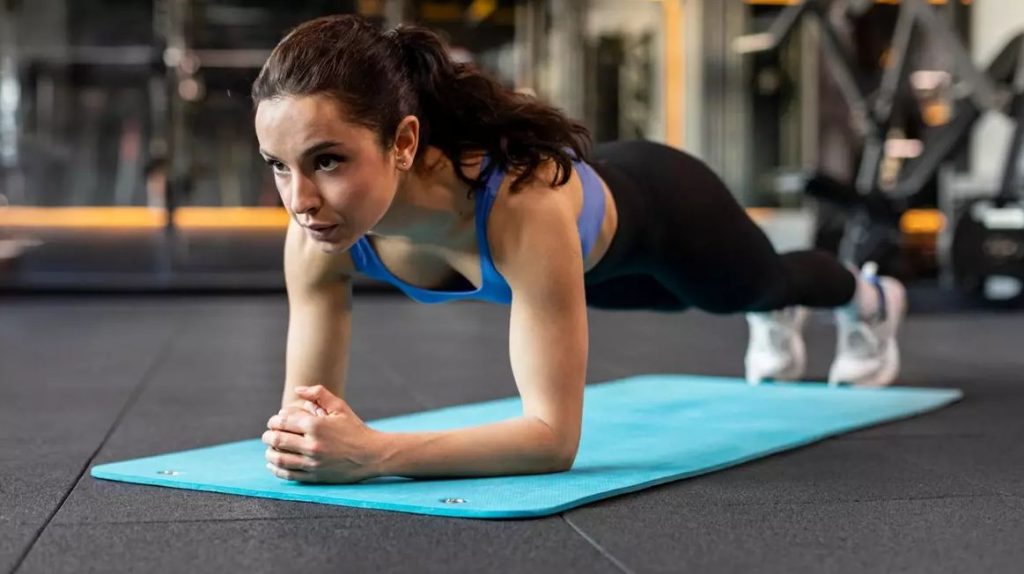
A plank is an isometric exercise, meaning you hold your body in one position rather than moving it through repetitions. During a plank, your core, back, shoulders, glutes, and legs all work together to keep your body in a straight line. This improves posture, balance, and stability. A strong core also protects your spine and helps prevent lower-back pain, which becomes more important as we get older. Unlike crunches or sit-ups, planks train the muscles in a way that mimics how they are used in real life. This makes them especially valuable for everyday movement and long-term joint health.
Plank Times in Your 20s and 30s
In your twenties and thirties, the body typically has more muscle mass and faster recovery. For this age group, holding a plank for one to two minutes is considered a good benchmark of core strength. Many active people can exceed this, but quality always matters more than duration. A perfect 60-second plank is far better than a sloppy two-minute one. This is also the best time to build strong habits, as the strength you develop now helps protect your body later in life.
What to Expect in Your 40s and 50s
As you move into your forties, muscle endurance naturally begins to decline. A plank hold of around one minute is still a strong goal and shows that your core remains supportive and stable. In your fifties, a range of 30 to 60 seconds is generally considered healthy. Many people can still hold longer, especially if they stay active, but it’s normal for endurance to decrease slightly. Consistent training makes a big difference here, and even short daily planks can help preserve strength.
Planking in Your 60s and Beyond
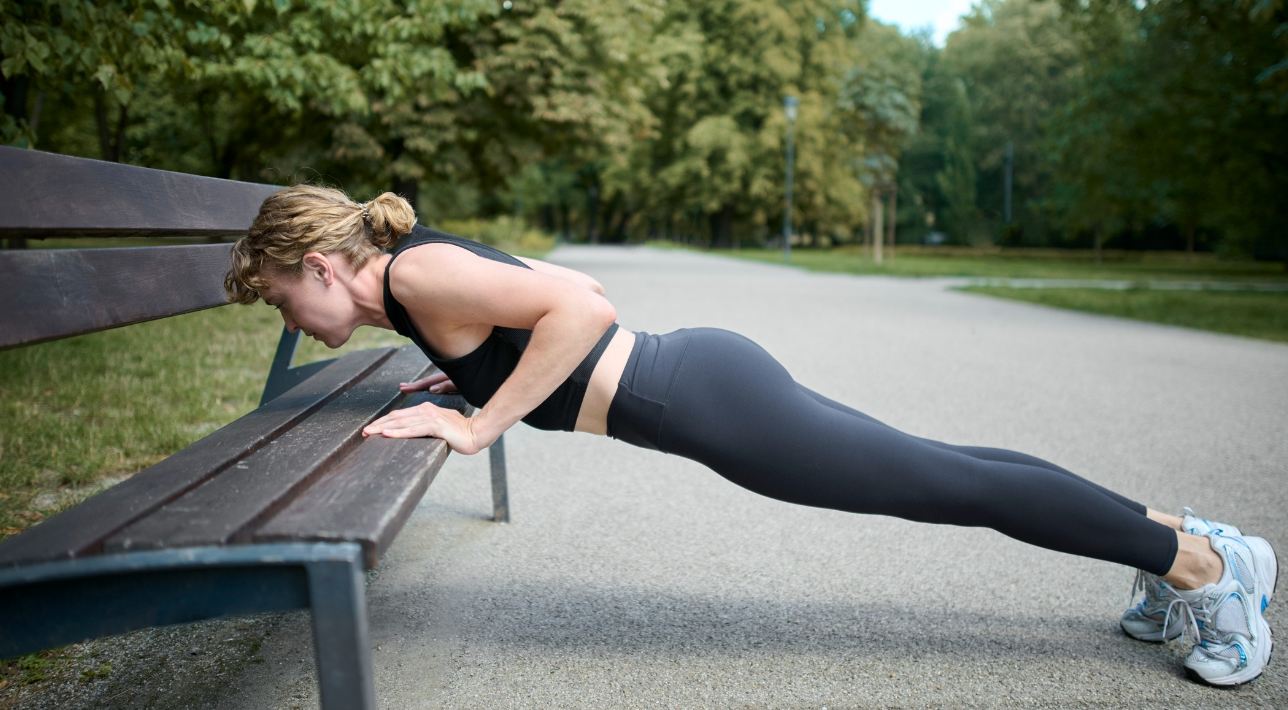
For people in their sixties and older, holding a plank for 20 to 30 seconds with proper form is already a great achievement. At this stage, the goal is not extreme endurance but maintaining balance, posture, and muscle engagement. A steady plank helps keep the spine supported and reduces the risk of falls and back pain. Modified planks, such as holding the position on your knees or against a wall, are also excellent options for older adults or those with joint issues.
Fitness Level Matters More Than Age
While age gives a general guideline, fitness level plays an even bigger role. Beginners might start with just 10 to 20 seconds, building up gradually as their muscles adapt. Intermediate exercisers usually aim for 30 to 60 seconds, while advanced individuals may reach one to three minutes or more. The key is progression. Adding just five or ten seconds each week can lead to big improvements without overloading your muscles.
How to Improve Your Plank Time
Improving your plank is about consistency and technique. Always keep your body in a straight line from head to heels, tighten your core, and squeeze your glutes. Breathing slowly and evenly helps you hold the position longer. Using variations such as side planks, high planks, or planks with leg lifts can strengthen different muscles and prevent boredom.
The Bottom Line
You don’t need to hold a plank for several minutes to be fit. For most adults, 30 to 60 seconds with good form is a strong indicator of core health. Focus on quality, stay consistent, and let your progress happen naturally. A stronger plank means a stronger, more stable body for years to come.