
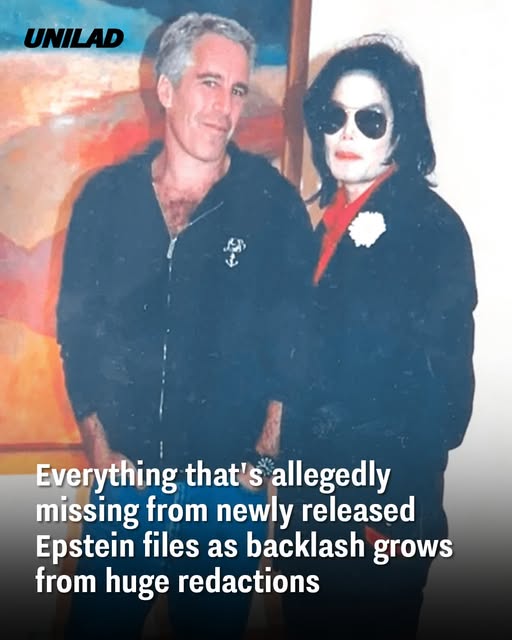
In a significant development this month, the United States Department of Justice began releasing a large volume of files related to the late financier Jeffrey Epstein, who was convicted of sex trafficking offenses and died in custody in 2019. The rollout is happening under a new law that requires federal agencies to make tens of thousands of pages of records available to the public, including photographs, investigation materials, and other documents connected to Epstein’s case. However, the nature and completeness of these files have sparked intense public debate.
The first batches were published on the department’s website and organized into an “Epstein Library,” allowing researchers, journalists, and members of the public to access records related to the investigations and prosecutions involving Epstein and his network.
Legal Deadline and Political Pressure
The release comes after Congress passed legislation requiring that all government files related to Epstein be made public within a set timeframe. The deadline for this disclosure was December 19, and the rollout is occurring in stages because of the sheer volume of material and the need to review sensitive information.

While the White House and federal officials have described the release as historic and unprecedented in scale, lawmakers from both major political parties have criticized aspects of how the process is unfolding. Several congressional figures have demanded clearer explanations for redactions and questioned whether the department is fully complying with the letter of the law.
What’s Included in the Files
The publicly available portion of the Epstein files contains a wide range of documents, from hundreds of photographs featuring Epstein’s properties, acquaintances, and various scenes, to investigative reports and legal materials from years of probes. Among these are images depicting Epstein with known celebrities and public figures, though not all such content is clear or accompanied by context. For example, some photographs show individuals standing near Epstein or at events linked to his circle, and others include well-known cultural figures whose relationship to the case remains undefined.
Heavy Redactions Draw Outrage
A major focus of public and political frustration is the extent to which many of the files have been redacted. In dozens of cases, entire pages are obscured with black bars, with names, details, or entire sections removed. Independent reviews have found that hundreds of pages are completely blacked out, while many others have significant portions hidden. Officials at the Justice Department have explained that redactions are necessary to protect the privacy of individuals involved, particularly victims or others whose identities must remain confidential under law. They have also noted the challenges of reviewing vast numbers of documents in order to meet statutory requirements. Despite these explanations, lawmakers and survivors’ advocates have criticized the approach, saying that the redactions are overly broad and leave key questions unanswered. Some have called for detailed justifications for each removal, including written explanations to Congress for why specific information was withheld.

Missing Files and Technical Issues
Adding to the controversy, reports indicate that some files previously available have disappeared from public access, raising concerns about transparency and whether all material is truly being shared. Investigators and journalists have noted that certain records — including photographic files and investigative logs — were accessible at one point but are no longer visible on the government’s public portal. Technical limitations, including site functionality and inconsistent redaction practices, have further complicated efforts by observers to piece together a complete picture from the released material.
Broader Impact and Questions Ahead
The release of the Epstein files marks a significant moment in public access to government investigations involving high-profile criminal networks. Even with criticisms and unresolved issues, the availability of such a large trove of documents is expected to fuel continued reporting, academic study, and political discourse. Whether further batches of material will shed more light on Epstein’s associations, alleged co-conspirators, financial networks, or the broader implications of long-running investigations remains to be seen. For now, the focus remains on how the files are interpreted, how gaps are addressed, and how federal agencies balance transparency with legal protections for vulnerable individuals.