
In the rich tapestry of childhood memories, some images linger not because of joy or nostalgia but due to a strange feeling of discomfort they evoke. Among such peculiar memories for many is the sight of trumpet worm nests. These unusual structures, often encountered during outdoor adventures in coastal or riverside areas, evoke a mix of curiosity and unease. For those who grew up near these environments, the memory of these nests remains vivid, a small but unforgettable part of their early explorations. This article explores the origins of trumpet worm nests, why they appeared in childhood surroundings, and the lasting impression they left on those who stumbled upon them.
What Are Trumpet Worm Nests?
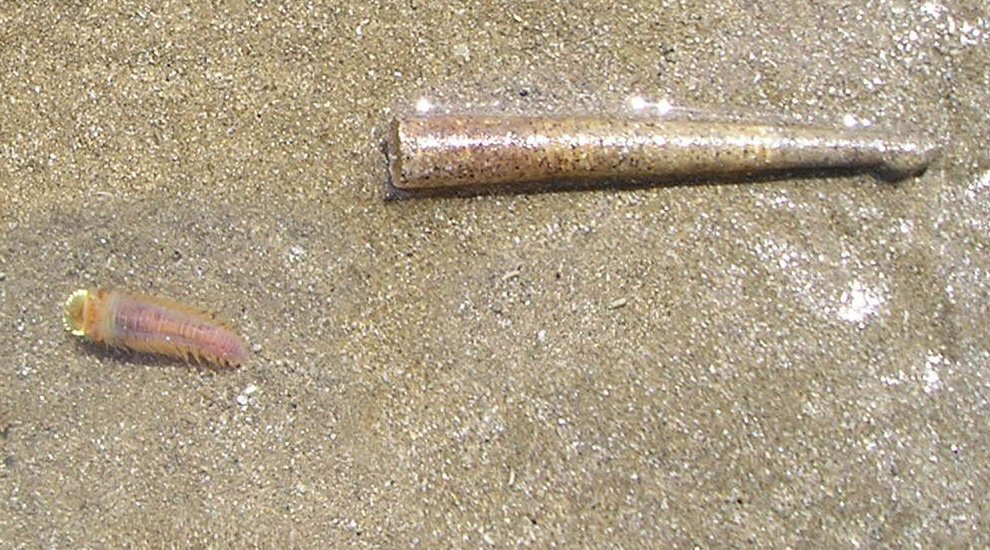
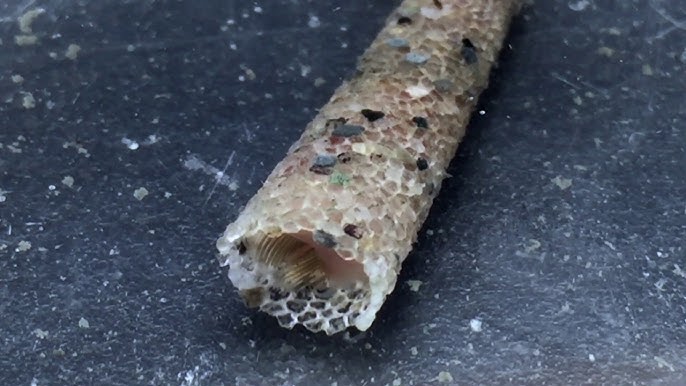
Trumpet worm nests are the homes built by a type of marine worm belonging to the polychaete family. These worms are characterized by their segmented bodies and tiny bristly appendages, which they use to interact with their environment. The nests themselves are tubular, crafted from sand, shell pieces, and various natural debris. Constructed with meticulous care, these tubes protect the worms from predators and harsh environmental conditions like waves and strong currents. Typically found in shallow coastal regions, trumpet worm nests stand as silent witnesses to the resilience and adaptability of nature. The worms build and maintain these intricate homes through a fascinating process, demonstrating remarkable instinct and resourcefulness despite their small size.
Childhood Encounters: Why Were These Nests Everywhere?
Many children’s play and exploration areas were near the coast, beaches, or riverbanks where trumpet worms are abundant. These natural settings invited curiosity, with children drawn to investigate shells, rocks, and other strange objects they found along the shore. The trumpet worm nests, often appearing as odd tubes sticking out of the sand or mud, became natural curiosities—sometimes intriguing, sometimes unsettling. The nests’ appearance—unfamiliar shapes covered with tiny shells and sand particles—often sparked a mix of fascination and discomfort. For some children, the sight of these nests was linked to an early understanding that nature holds both beauty and mystery, sometimes bordering on the eerie. They became symbols of the wild, uncontrollable forces surrounding them, a reminder that the natural world was full of surprises, not all of them comforting.
The Lasting Impact on Childhood Memories
For those who encountered trumpet worm nests as children, these memories often remain surprisingly vivid. The nests represent moments of exploration that were charged with mixed emotions—excitement tempered by a hint of fear or unease. Unlike more cheerful childhood recollections, trumpet worm nests stand out as reminders that nature is complex and sometimes strange. This mixture of feelings often deepened children’s connection to their environment, teaching lessons about respect for the unknown and the importance of curiosity. The nests, though simple structures, contributed to a child’s growing awareness of life’s many forms and the delicate balance between living creatures and their habitats.
Nature’s Quiet Architects
Trumpet worms and their nests exemplify the quiet ingenuity found throughout the natural world. Despite their modest size, these worms demonstrate remarkable survival strategies by building sturdy homes from available materials. The nests protect them from threats and provide a stable base to live and feed. The nests’ presence in familiar childhood environments offers a unique glimpse into the hidden lives of small creatures that coexist alongside humans. Recognizing the importance of such organisms enriches our understanding of ecosystems and highlights the interconnectedness of all living things.
Conclusion: More Than Just Childhood Curiosities
Trumpet worm nests may seem like oddities, even sources of childhood unease, but they are valuable reminders of the natural world’s complexity and beauty. Their existence in the places where many of us played and explored as children connects us to nature’s resilience and adaptability. By reflecting on these unusual childhood encounters, we gain a greater appreciation.