
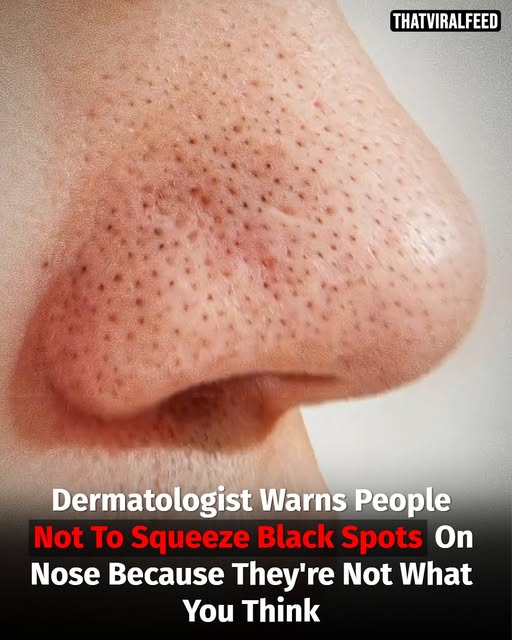
If you’ve ever looked in the mirror and noticed tiny dark dots all over your nose, you might have assumed they were blackheads — a type of acne that crops up when pores get clogged with oil and dead skin. But dermatologists now say that many of these dark spots are something else entirely.
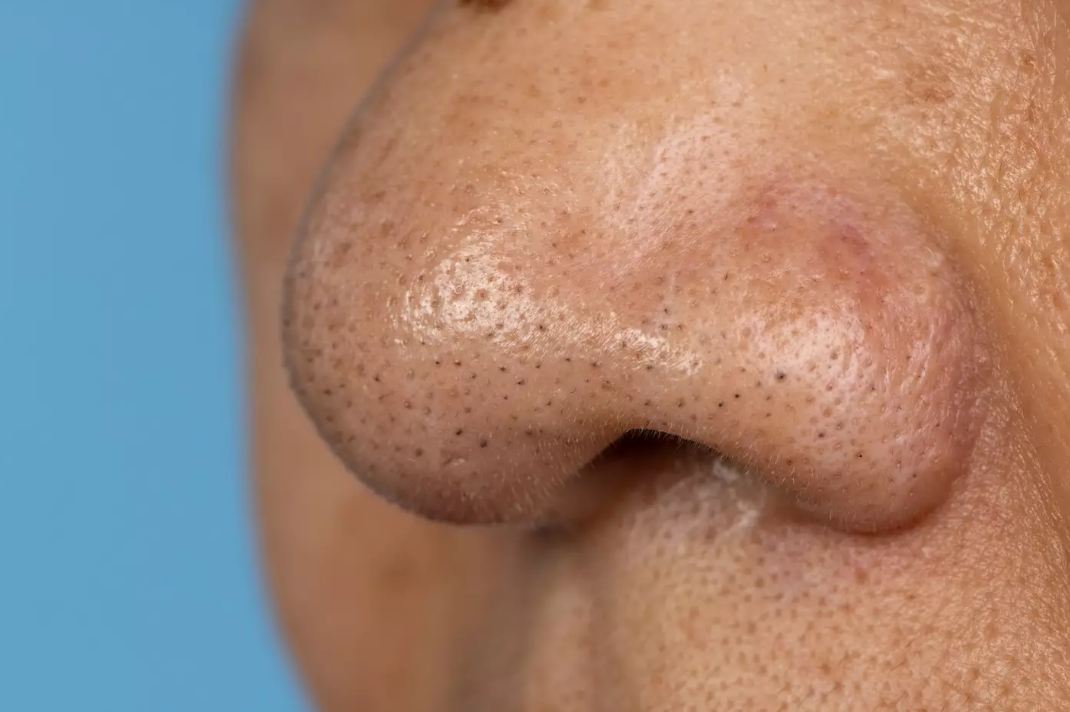
According to skin experts, most of these spots are not blackheads, but rather normal skin structures called sebaceous filaments. They can look like little black dots on the nose, especially if your skin is oily or if the filaments become filled with sebum and dead skin cells.
Blackheads vs. Sebaceous Filaments: What’s the Difference?
One of the biggest misconceptions in skincare is confusing blackheads with sebaceous filaments. While they may look similar at a glance, they’re actually very different: Blackheads are a form of acne. They occur when a pore becomes clogged with oil, dead skin, and bacteria, and the top of the pore stays open. When that plug gets exposed to air, it oxidizes and turns dark — the classic “blackhead” look. Sebaceous filaments are normal features of skin pores, especially in oily areas like the nose. They help channel sebum (natural skin oil) to the surface, and when filled with oil or debris, they can appear as dark or grayish tiny specks. Unlike blackheads, they are not pimples or acne lesions. Dermatologists emphasize that sebaceous filaments are a normal part of skin anatomy, not a sign that your skin is unhealthy or infected. Trying to squeeze them out like acne will not only fail to remove the pore lining but may irritate or damage your skin.
Why They Appear Especially on the Nose
There are a few reasons sebaceous filaments tend to be most noticeable on the nose:
- High Oil Production: The nose has a dense concentration of sebaceous glands, which produce sebum to lubricate skin.
- Larger Pores: Pores on the nose often appear bigger, making filaments more visible.
- Natural Shadows: When oil and dead skin fill the pore, shadows cast inside the opening can make the spots appear darker.
- Because these structures constantly refill with sebum, they tend to be persistent even after cleansing — leading many people to mistakenly think they’ve failed at removing blackheads.
How to Tell if It’s a Blackhead or a Sebaceous Filament
One simple clue: texture and behavior. Blackheads typically form slightly raised bumps and may feel clogged. Sebaceous filaments are smaller, flatter, and often feel smooth to the touch. They also return quickly after cleansing because they are part of your skin’s normal oil transport mechanism. Another lesser-known condition that can be mistaken for blackheads is trichostasis spinulosa, where tiny hair tufts get trapped in pores and appear as clustered dark dots. Only magnification usually reveals this detail.
Treatment and Management
Since sebaceous filaments are normal and continuously refill, permanent removal isn’t possible — but you can reduce their appearance:
- Exfoliation: Chemical exfoliants such as salicylic acid (a beta-hydroxy acid) can penetrate pores, helping to clear excess oil and dead skin cells.
- Topical Retinoids: These help improve cell turnover and can make pores appear less noticeable with regular use.
- Professional Care: A dermatologist can perform manual extraction safely and guide treatment tailored to your skin type.
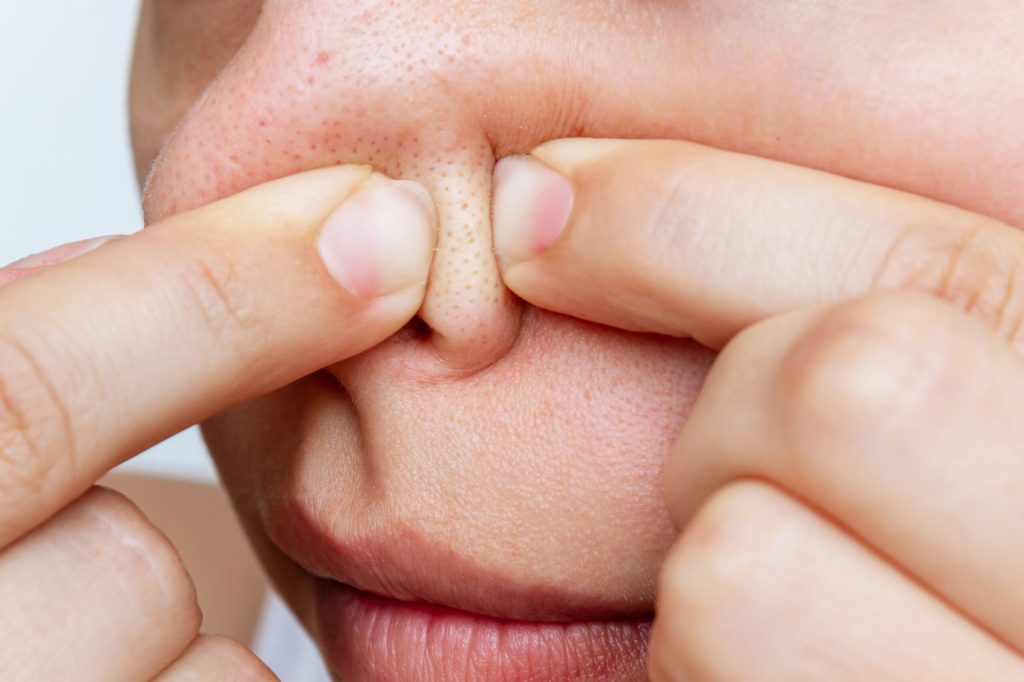
- Important note: Aggressively popping or squeezing these spots can cause irritation, redness, or even scarring, and because sebaceous filaments refill rapidly, the spots tend to return quickly after removal attempts.
Bottom Line
Those tiny dark dots on your nose probably aren’t stubborn blackheads at all, but rather normal sebaceous filaments that help lubricate your skin. While they can be cosmetically annoying, they are not a sign of severe acne and usually don’t require removal. With appropriate skincare — especially gentle exfoliation and consistent routines — you can minimize their appearance and keep your skin healthier overall.