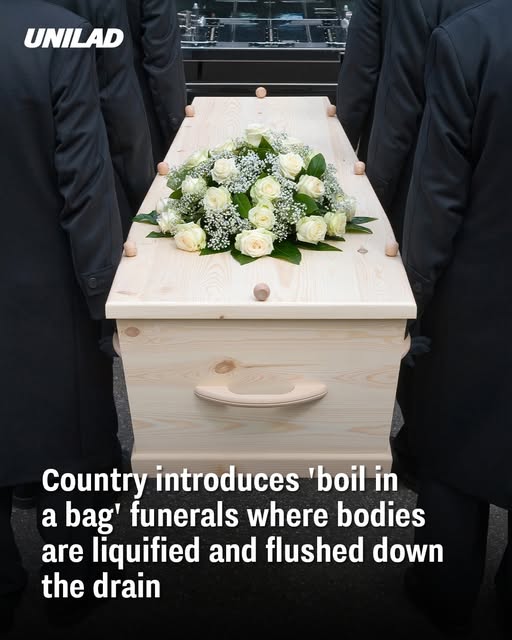
Scotland has become the first part of the United Kingdom to legalise a method of funeral known as water cremation, often sensationally described as “boil-in-the-bag” funerals, marking a major shift in how bodies can be respectfully and sustainably handled after death. This change represents the most significant update to funeral law in the UK since traditional cremation was introduced over a century ago.
What Is Water Cremation?
Officially termed alkaline hydrolysis, water cremation is an alternative to conventional burial or flame-based cremation that uses heated water and a mild alkaline solution to accelerate the natural decomposition process. The body is first wrapped in a biodegradable shroud – typically made from materials like silk or wool – and placed into a sealed, pressurised chamber filled with water and alkaline chemicals. Over several hours, the tissues break down, leaving only bones, which are then dried, processed into a fine powder and returned to the family much like ashes following traditional cremation. Unlike cremation by fire, which requires extremely high temperatures and consumes large amounts of energy, hydrolysis is less energy-intensive and produces fewer harmful emissions. It is sometimes viewed as a more environmentally friendly or “green” alternative to other end-of-life options.
Legal Change and Implementation
The Scottish Parliament recently approved regulations allowing hydrolysis as an official funeral option, making Scotland the first UK nation to adopt the practice. The Scottish Government’s public health minister emphasised that the choice of how a person’s remains are handled is deeply personal and that hydrolysis offers greater choice for families with different values and priorities. Companies preparing to offer the service say it may take several months – often up to nine – before the first water cremations take place, because facilities need planning permission and local water authority approvals before they can begin operations.
Environmental and Social Considerations
Proponents highlight a number of reasons water cremation is gaining attention beyond Scotland. In countries where alkaline hydrolysis is already legal – including parts of the United States, the Republic of Ireland, Canada and South Africa – it has been chosen by families seeking an alternative that reduces carbon emissions, avoids direct air pollution, and uses less natural gas than conventional cremation. Because it arguably mimics the natural process of decomposition more swiftly and gently than burial, supporters argue it respects the body while reducing environmental impact. Critics, however, may find the description of the process unsettling or question whether it aligns with cultural and religious practices that emphasise traditional burial.
Broader Context and Future Adoption
Water cremation is part of a broader trend in many countries toward sustainable death care options, such as natural burial or human composting. While Scotland has taken the lead in the UK, regulatory bodies in other parts of the country – including England and Wales – are also considering frameworks that would allow hydrolysis and other innovative funeral practices in the future. For many people planning ahead for their own funerals, the availability of water cremation means more personal choice about how they wish to be commemorated and laid to rest. As environmental considerations become increasingly important to individuals and families, this method is likely to attract continued interest and debate in Scottish society and beyond.