
Microsoft co-founder Bill Gates has publicly responded to claims circulating in the latest Jeffrey Epstein files released by the U.S. Department of Justice. The documents part of a massive transparency release include draft emails and notes that reference Gates in unverified and salacious ways. In response, Gates strongly denied the allegations, calling them false and expressing regret for ever having known Epstein.
In a February 4, 2026 interview with 9 News Australia, Gates said he regretted every minute he spent with Epstein and dismissed claims in the released files as unfounded. He emphasised that a key email in the Epstein archive — which appears to detail personal matters involving Gates — was written by Epstein to himself and never sent to anyone. As Gates put it, “I don’t know what his thinking was there.”
What the Epstein Files Say — and What Gates Denies
The disputed documents include an apparent draft email from Epstein to himself referencing Gates having contracted a sexually transmitted disease (STD) following alleged encounters with “Russian girls” and then purportedly trying to surreptitiously give antibiotics to his then-wife, Melinda French Gates. This claim sparked intense headlines before Gates’s public remarks. Gates categorically rejected these claims in his statement, saying they are “absurd and false.” He reiterated that his interactions with Epstein were limited to dinners and discussions about fundraising for health initiatives, and that he never visited Epstein’s private island nor met any women through him.
Gates’s spokesperson also stressed that the only thing these emails show is Epstein’s frustration that he didn’t have a deeper ongoing relationship with Gates, and suggested Epstein might have fabricated content to defame him.
Regret Over the Association
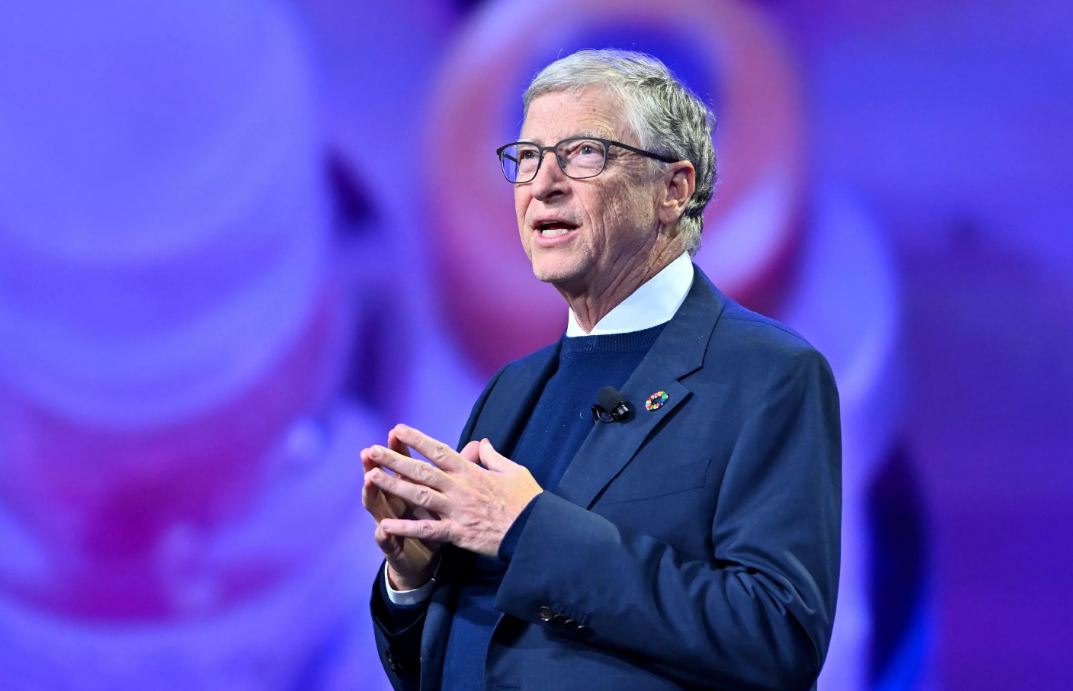
In his remarks, Gates expressed regret for ever forming an association with Epstein, calling the relationship a “mistake.” He reiterated this view in previous public comments, saying that connecting with Epstein was an effort to advance philanthropic goals that ultimately failed and left him regretting the decision. This sentiment is consistent with earlier statements by Gates, who has acknowledged in past interviews that spending time with Epstein was unwise and something he wishes he had avoided.
Reactions From Melinda French Gates
Gates’s former wife, Melinda French Gates, has also publicly commented on the situation. She described the revelations in the Epstein files as “unbelievable sadness” and said that seeing them brought back “very, very painful times” related to their marriage. She stated that any remaining questions about what actually happened — for Gates and others mentioned in the files — are for them to answer. Melinda French Gates emphasised her empathy for survivors of Epstein’s abuse and rejected the idea that she should be the one to respond to the allegations about her ex-husband. She noted the emotional difficulty of reading about those allegations, especially in light of her own daughters being similar ages to some of the victims referenced in the broader Epstein Files.
Public and Political Fallout
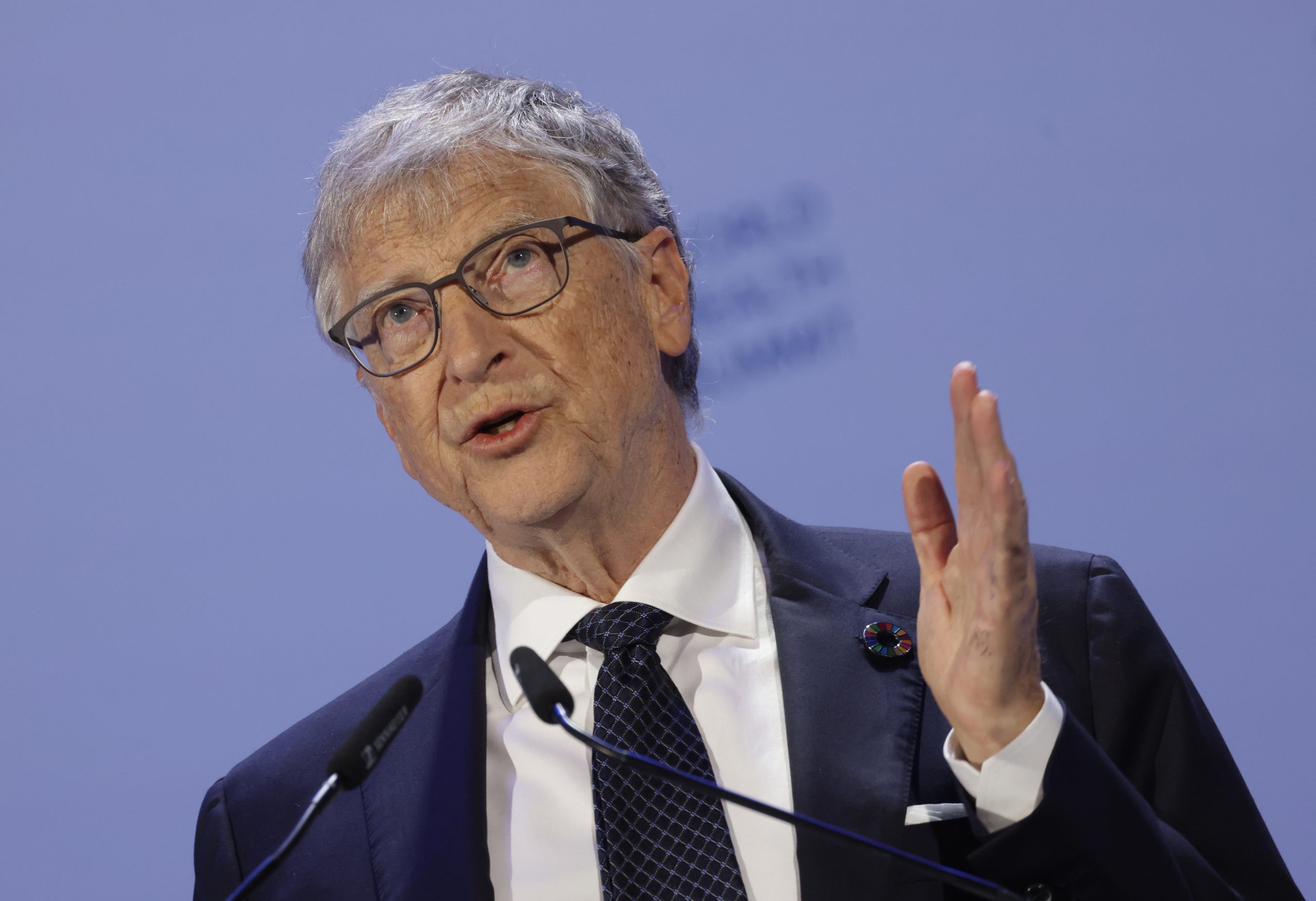
The controversy has prompted broader calls for accountability. U.S. Representative Nancy Mace (R-SC) has publicly suggested that Gates be subpoenaed to testify about his connections with Epstein as part of ongoing Congressional scrutiny into the network uncovered by the files. Despite the attention, it’s important to note that Bill Gates has not been accused of any criminal conduct by law enforcement in relation to Epstein. The documents in question are part of a released archive that includes unverified drafts and notes, not formal charges or judicial findings.
What This Means Going Forward
At this stage, Gates’s response aims to draw a clear line between his past, limited engagement with Epstein — related primarily to philanthropy — and the unverified and sensational claims found in Epstein’s personal archives. As the public and political debate continues, Gates insists his legacy should be judged on verified facts and not on speculative or unfounded material in the documents.