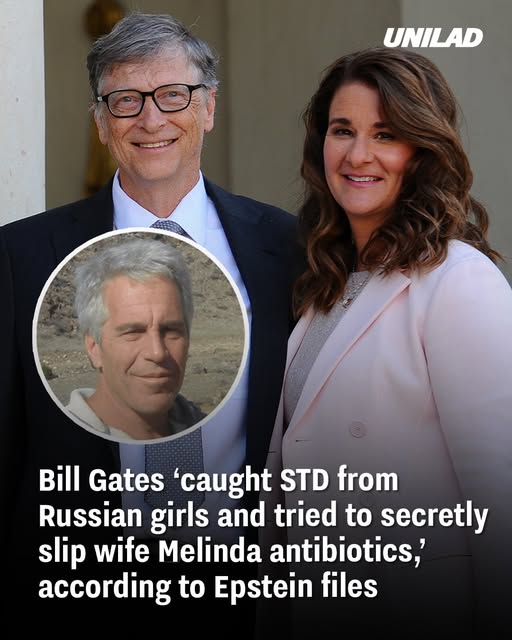
In late January 2026, the U.S. Department of Justice published a huge tranche of documents connected to the long-running Jeffrey Epstein investigation. This release included over three million pages of emails, notes, photos, and videos, as part of compliance with legislation aimed at full disclosure of Epstein-related material. The files encompass a vast array of individuals and communications, some of which have drawn intense public attention because they appear to involve high-profile figures from business, politics, and entertainment.
Among those named in portions of the newly released documents is Bill Gates, the co-founder of Microsoft and a well-known philanthropist. His name appears alongside references to personal matters in emails that were included in the public release, leading to renewed discussion across media and political circles.
Controversial Claims in the Documents
The material linked to Gates includes notes and draft emails that were apparently written by Jeffrey Epstein himself. One document attributed to a July 2013 email — which Epstein reportedly addressed to himself — makes sensational assertions. In it, Epstein claims that Gates had contracted a sexually transmitted disease (STD) after encounters with “Russian girls.” The text then alleges that Gates sought antibiotics to treat the infection and privately deliver them to his then-wife, Melinda French Gates, without public knowledge. These claims also suggest that Epstein played a role in facilitating certain activities for Gates during a period of personal turmoil, including alleged “illicit trysts,” although the language and context are informal and appear unverified. The emails include emotionally charged phrasing characteristic of Epstein’s notes, rather than formal legal material, and are described as drafts or personal writings rather than official correspondence. It’s important to highlight that the presence of these remarks in the files does not equate to legal accusations or verified facts about Gates’ behavior. Many legal analysts and public commentators stress that the documents contain uncorroborated information, speculation, and “raw” materials that were never tested in court or subjected to independent verification.

Gates Denies the Allegations
In direct response to the publication of these documents, Bill Gates and his representatives have strongly rejected the claims. A spokesperson for Gates described the material as “absurd and completely false,” characterizing the content as reflective of Epstein’s personal grievances rather than a factual account of events. According to the representative, the emails demonstrate Epstein’s frustration that his relationship with Gates ended and his motivation to fabricate narratives that might harm Gates’ reputation. Gates has publicly acknowledged in past interviews that his association with Epstein was a mistake and expressed regret for having met him, especially in the context of philanthropic discussions. However, he has consistently denied that any inappropriate conduct occurred between himself and Epstein or that he engaged in the behaviors described in the newly disclosed emails.

Broader Context
The Epstein files are enormous, and many elements of the public release remain heavily redacted or lack explanatory context. In addition to Gates’ name, the documents reference numerous other world figures, including heads of state, business leaders, and entertainment personalities. Legal experts emphasize that appearing in the files, whether in photos, emails, or notes, is not an indication of criminal activity, but rather part of a far reaching collection of communications and records tied to Epstein’s extensive network. The discussion around Bill Gates highlights the challenge of interpreting raw, unverified material made public without editorial context. While sensational claims draw attention, authoritative interpretation and corroboration are necessary before drawing conclusions about any individual’s conduct.