
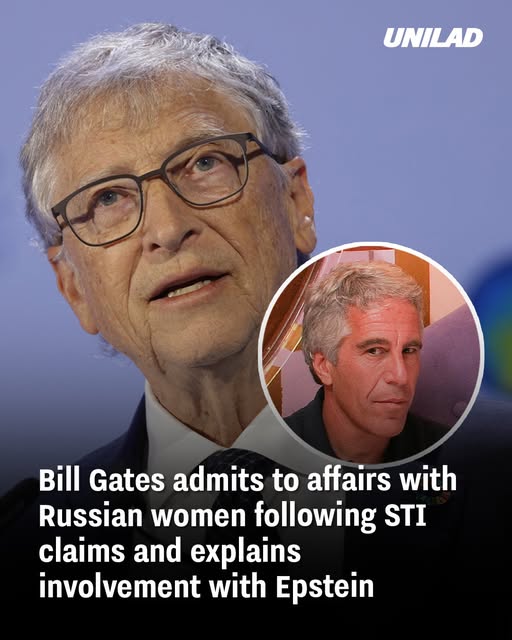
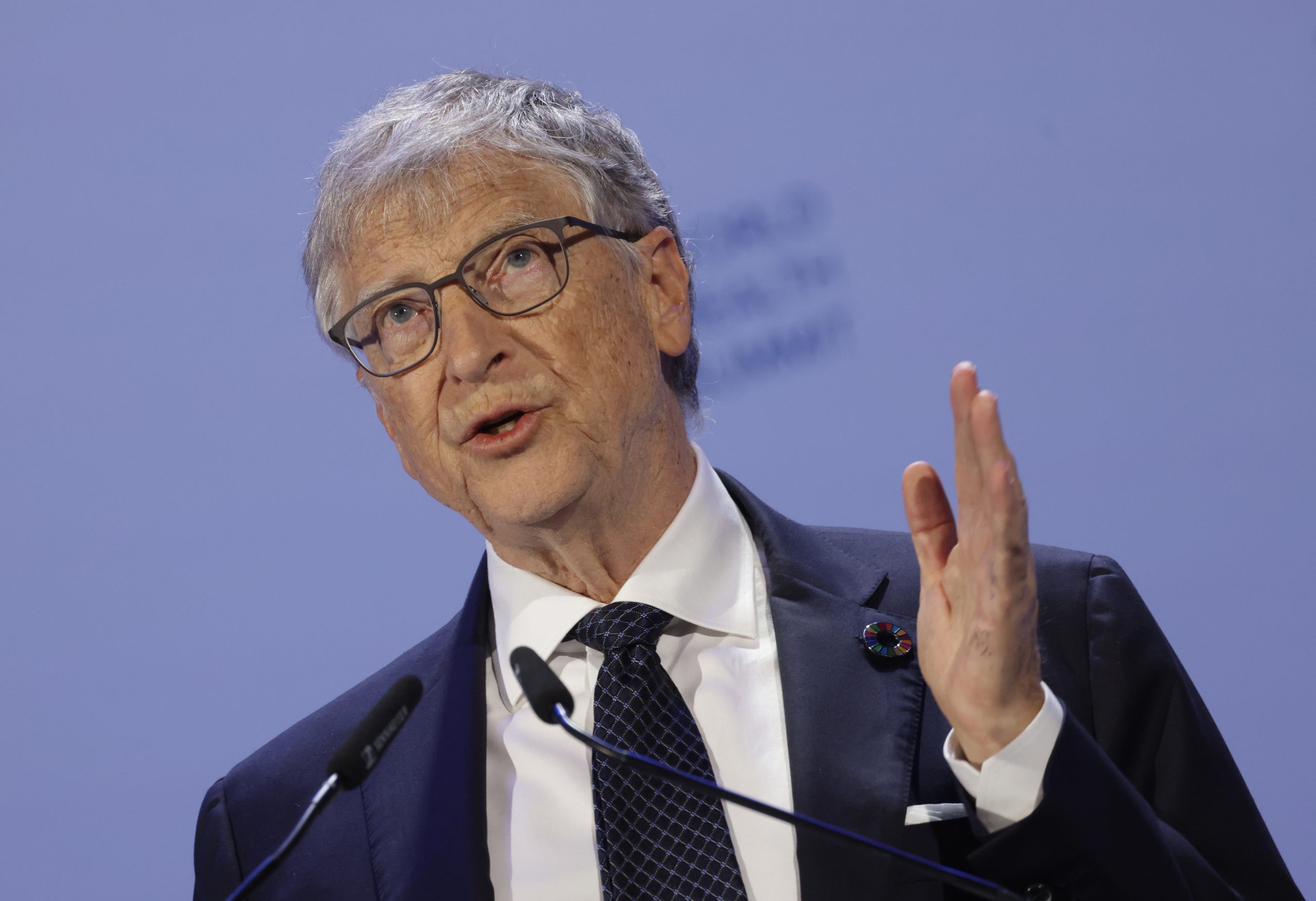
Bill Gates, the co-founder of Microsoft and co-chair of the Bill & Melinda Gates Foundation, has publicly apologised to foundation employees for his past involvement with the late financier Jeffrey Epstein, a convicted sex offender. In a town hall meeting with staff on February 24, 2026, Gates described the interactions as a “huge mistake” that he deeply regretted. He acknowledged that his decisions have negatively affected people around him and the reputation of the foundation.
Gates insisted that his intentions were always tied to philanthropic aims and that he never participated in or witnessed any illicit behaviour during his meetings with Epstein. “I did nothing illicit. I saw nothing illicit,” he told the employees. Despite this, he expressed remorse for the judgment error and how it drew his colleagues into controversial situations.
How the Association Began
According to Gates’s account at the meeting, he first met Epstein in 2011, several years after the financier had already been convicted in 2008 for soliciting an underage minor for prostitution. Gates said that when he started engaging with Epstein, he was only aware of some travel restrictions that Epstein faced — an “18-month thing” — and did not delve deeper into his criminal history. The discussions between the two were centered around philanthropy. Epstein had portrayed himself as someone with access to wealthy donors and connections that could support global health and charitable work. Gates acknowledged that he was influenced by conversations with other prominent figures who also interacted with Epstein, which made the situation seem more normal at the time.
Acknowledged Affairs and Personal Revelations
In the same town hall, Gates admitted that he had engaged in affairs with two Russian women, which Epstein later learned about. The billionaire clarified that these relationships were personal and did not involve any of Epstein’s victims. He said one of the women was a Russian bridge player he met at bridge events and the other was a Russian nuclear physicist he encountered through business interactions. These admissions came amid a broader disclosure of tens of thousands of documents from the U.S. Department of Justice — often referred to as the “Epstein files” — which revealed emails, photos, and records involving Epstein and numerous high-profile public figures. In those files, there were allegations that Gates had contracted a sexually transmitted infection after encounters with Russian women and asked Epstein to help conceal the situation, claims which Gates denies. He maintained that the photographs of him with unidentified women were taken at Epstein’s request — not involving Epstein’s victims — and that he never visited Epstein’s private island.
Internal and External Response
Gates also addressed concerns about the impact of the controversy on the Gates Foundation. He acknowledged that involving foundation executives in meetings with Epstein was misguided and could undermine trust in the charity’s work, which focuses on global health and development initiatives. The foundation has emphasised that it never employed Epstein or made any payments to him. Employees were told that the apology and discussion were part of a candid town hall meant to address the issues head-on. A foundation spokesperson described the session as an opportunity for Gates to speak openly, answer difficult questions, and take responsibility for his actions.
A Broader Context of Scrutiny
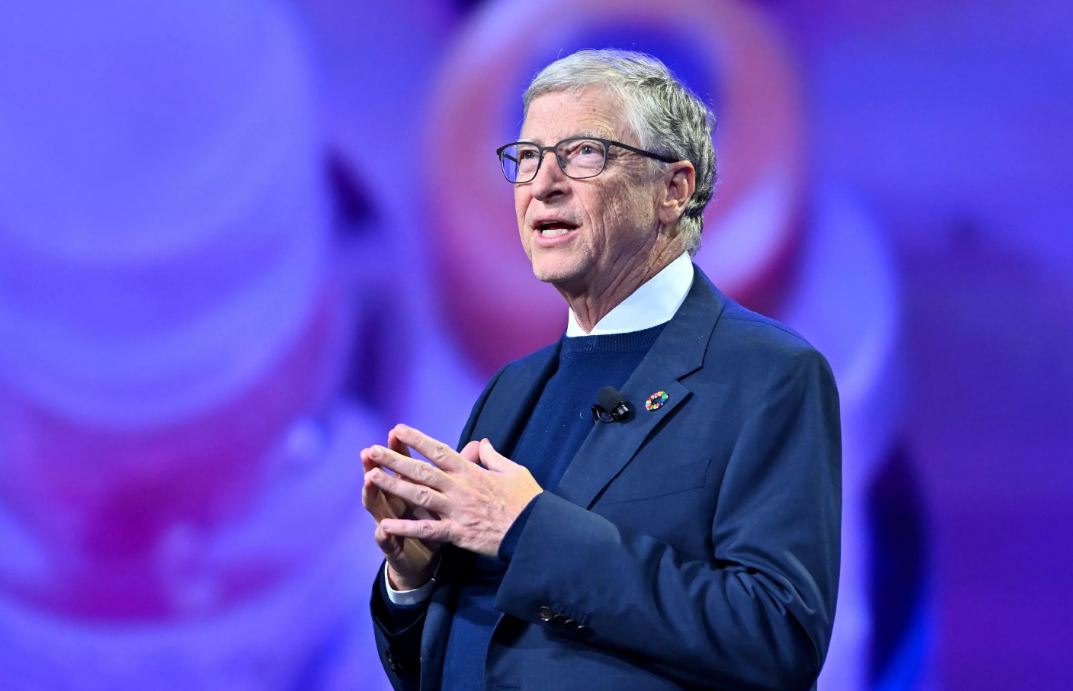
The timing of Gates’s apology coincides with continued public scrutiny of the newly released Epstein files, which have drawn significant attention across media outlets and political discussions worldwide. Many of the documents remain under review, and the fallout continues to unfold as details emerge about the extent of Epstein’s network and interactions with influential figures. Gates’s remarks reflect an effort to separate his philanthropic legacy from the controversy, emphasising regret for the association without admitting to any illegal conduct. Whether this will satisfy critics or mitigate the reputational damage remains a subject of ongoing debate.