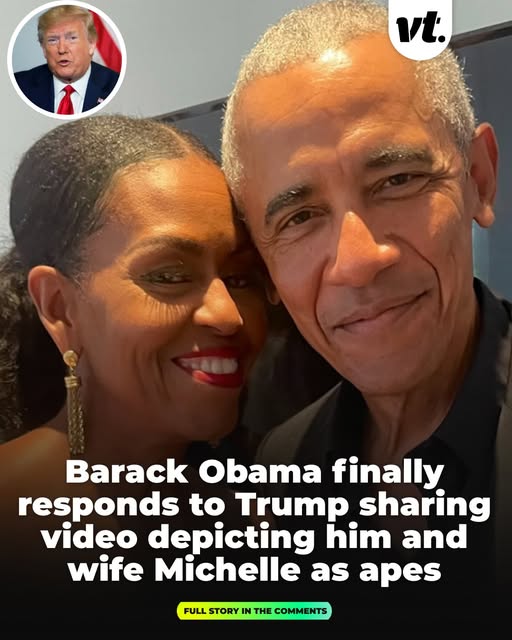
Earlier in February 2026, President Trump’s Truth Social account shared a brief segment of a video that included an animation showing Barack and Michelle Obama’s faces superimposed onto the bodies of apes, set to the song “The Lion Sleeps Tonight.” The post came at the end of a longer message promoting unfounded claims about the 2020 election. The imagery was widely condemned as invoking a racist trope historically used to demean Black people. Hours later, after intense backlash from both sides of the political spectrum including condemnation from Republican lawmakers the video was removed from Trump’s platform. A White House official later said the clip had been posted “erroneously” by a staff member.
Obama Breaks His Silence
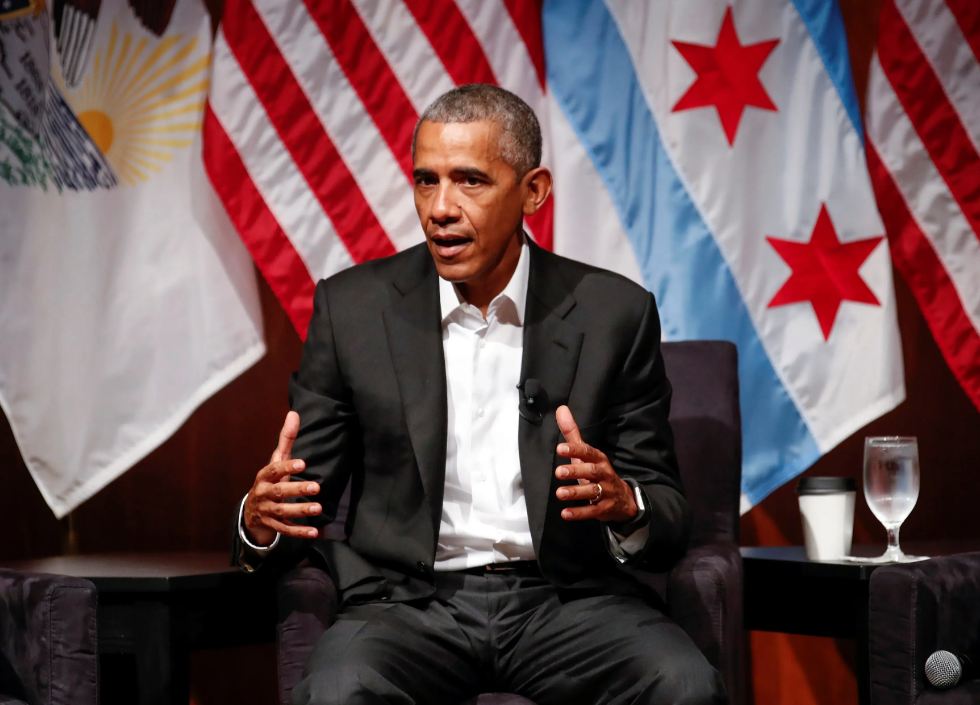
For several days after the incident, Obama had not publicly commented — but on February 14, 2026, he finally addressed the situation during a wide-ranging interview with political commentator Brian Tyler Cohen that aired on Cohen’s podcast. Barack Obama did not mention Trump by name, but his remarks — the first direct response since the video went viral — were pointed and critical.
Condemning the Discourse
Obama called the behaviour part of a broader degradation in political discourse. He said that much of what he’s seen in recent political communication — including social posts like the ape video — reflects a loss of “decorum … respect for the office” and an erosion of shame among public figures. He described the general spectacle around politics today as a “clown show” on social media and television, suggesting that ridicule and cruelty have taken priority over serious, respectful debate. He emphasised that while the video got attention and was distracting, a majority of Americans find the behaviour “deeply troubling.” Obama said that during his own public engagements across the country, he encountered many people who continue to believe in basic values like decency, courtesy and kindness despite the broader atmosphere.
On Deleting the Post and Trump’s Comments
The racist clip’s removal from Trump’s social media account came after bipartisan criticism from elected officials, including some Republicans. In press interactions before the deletion, Trump defended the use of the video’s broader content — though not directly the offensive ape segment — and said he “didn’t make a mistake” in sharing it, refusing to apologise. The White House initially defended the broader video as a meme related to The Lion King before later attributing the post to an error.
Wider Reaction and Context
The controversy intensified because it occurred during Black History Month, a time dedicated to recognising African American contributions and history. The timing, combined with the racist implications of comparing Black people to animals, amplified public backlash — even among some members of Trump’s own party. Obama’s broader comments in the interview also touched on other national issues beyond the video — including immigration enforcement and civic activism — but his remarks on the political climate stood out as a direct rebuke to the tone set by current leadership.
What It Signals
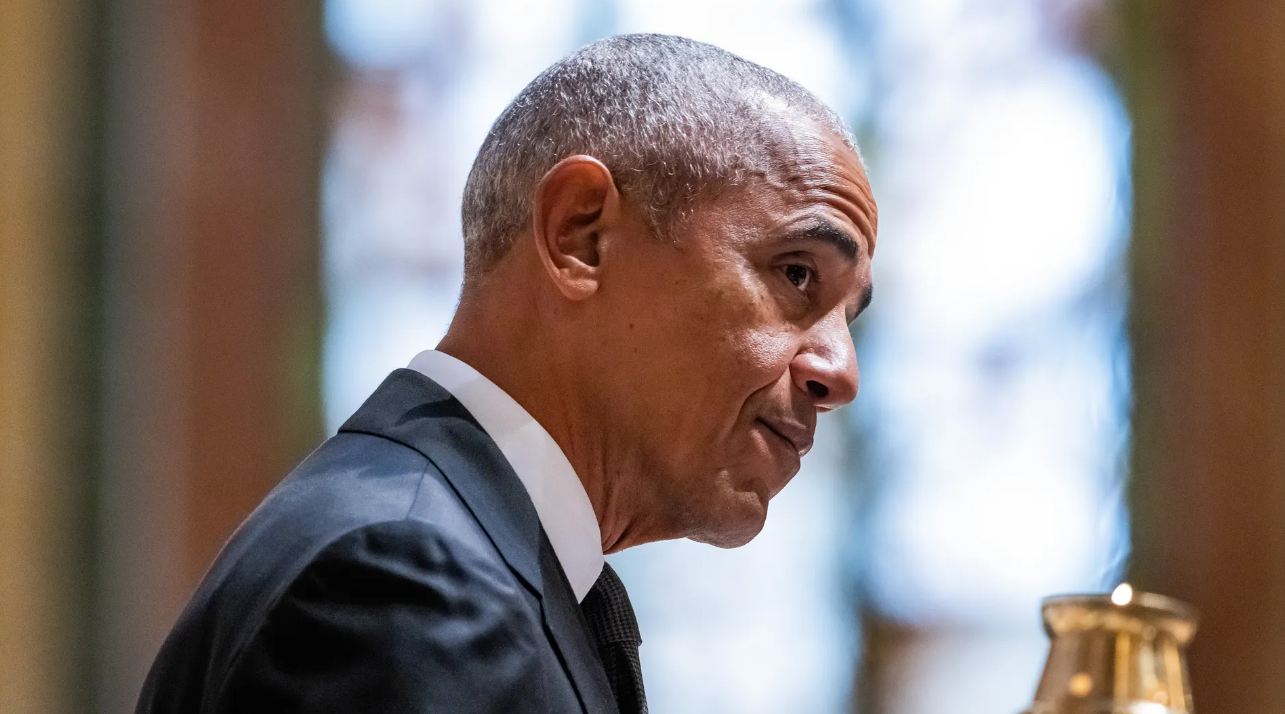
Obama’s response underscores deep tensions in U.S. political discourse, particularly around issues of race, respect and the boundaries of public commentary from political leaders. By framing the situation as symptomatic of a loss of decorum, he pointed to a broader concern that political competition in the United States has shifted toward sensationalism — a trend he believes many Americans view as troubling.