
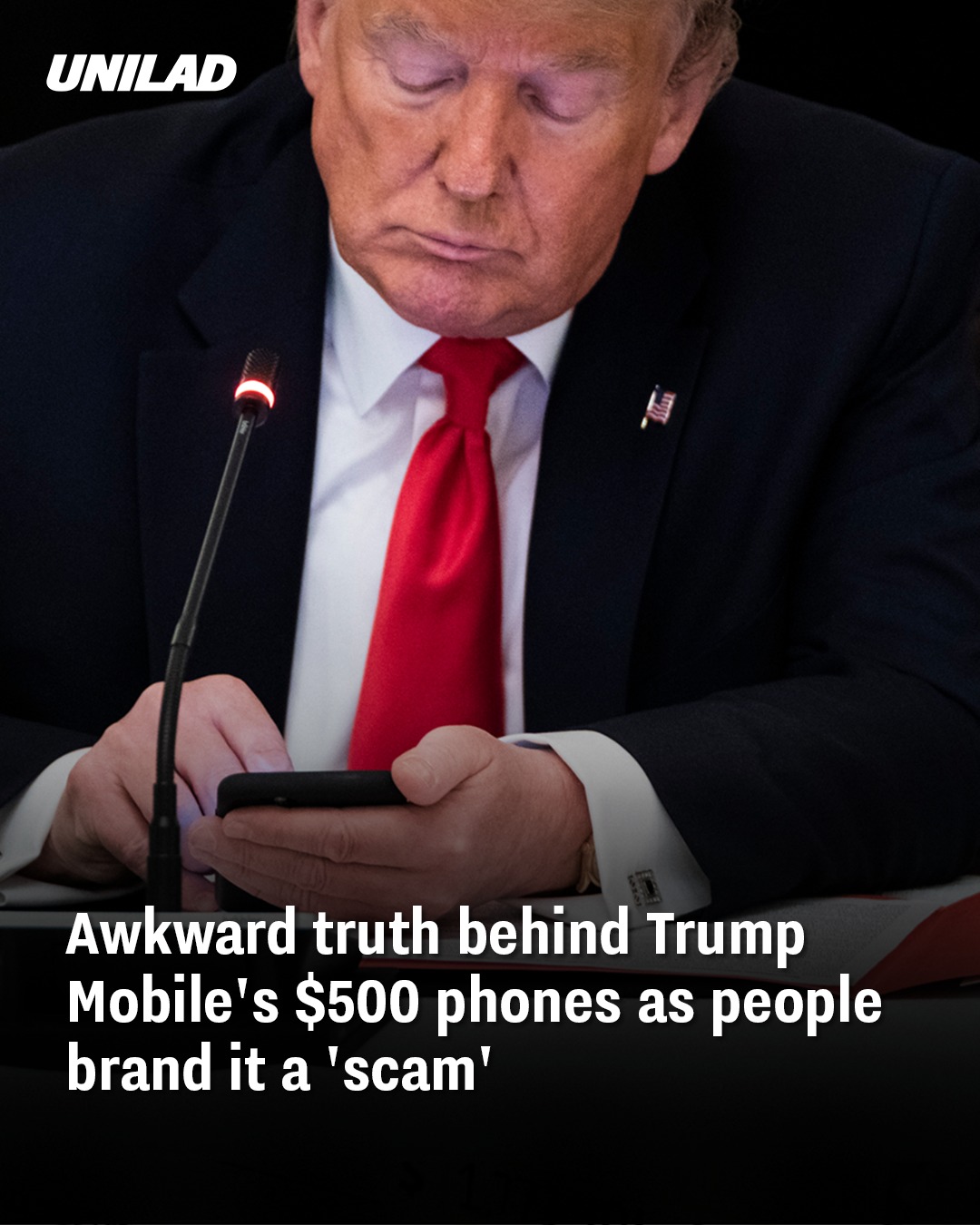
When a new smartphone brand tied to a former president was introduced, it immediately sparked curiosity, skepticism, and a wave of online debate. Marketed as a direct challenge to major tech companies, the phone was promoted as an affordable, patriotic alternative to devices from global tech giants. At first glance, the message was clear: this was meant to be a symbol of independence from big corporations and foreign manufacturing.
The device was advertised as a mid-range smartphone available at a competitive price, offering basic features at around $500. Supporters praised the idea, calling it a step toward tech freedom. Critics, however, suspected that the phone might simply be a rebranded product rather than a truly original creation. Soon enough, those doubts gained traction — and the reason was simple.
The Rapid Unraveling of an Online Investigation
Within days of the phone’s announcement, tech enthusiasts and social-media analysts began digging into the product’s specifications, design, and hardware. What they discovered quickly spread online: the phone appeared nearly identical to several existing low-cost smartphones being sold by overseas manufacturers. From the outer casing to the placement of the camera lenses, the device shared unmistakable similarities with budget models that retail for far less than $500. Online comparisons circulated widely, showing that the original versions — from lesser-known brands — could often be purchased for under $200. This revelation created an awkward stir. What was being promoted as a new, independent phone seemed to be little more than an imported device with a new logo.
A Branding Strategy That Backfired
Rebranding technology is not uncommon — many companies license existing phone designs from overseas manufacturers. But critics argued that transparency was missing in this case. The marketing campaign suggested the phone was uniquely produced and tailored with original innovation. Instead, consumers were confronted with the possibility that they were paying more for the branding than the actual hardware. Supporters of the phone insisted that customization, service infrastructure, and upgraded components justified the price. Others countered that most visible details remained unchanged from the cheaper models. As the debate intensified, the story evolved beyond technology and into politics. For many critics, the issue wasn’t simply the phone; it was the mismatch between the message and the product. The push for an alternative to “foreign tech giants” fell flat once it became clear the new device was also manufactured abroad.
The Online Reaction and Public Debate
Public response ranged from humor to frustration. Memes comparing the device to its cheaper counterparts took over social media, while tech reviewers posted side-by-side breakdowns showing overlapping specifications. Some called the situation misleading; others framed it as standard business practice amplified by political branding. What surprised many observers was how quickly the controversy overshadowed the launch. Instead of focusing on features, battery life, or performance, the story morphed into questions about authenticity, marketing honesty, and political messaging. The debate also highlighted an important reality in today’s tech landscape: many smartphone makers rely on the same factories, components, and design templates. Private-label manufacturing is extremely common — the difference lies in how brands choose to communicate it.
What the Controversy Reveals About Modern Tech Marketing
Ultimately, the situation demonstrates how branding, politics, and consumer expectations can collide in unexpected ways. A product promoted as a symbol of independence must withstand scrutiny, especially when connected to a public figure with a loyal but highly divided following. When the device appeared nearly identical to cheaper imports, the reaction was swift and sometimes unforgiving. For consumers, the incident served as a reminder to look closely at the details behind any tech promise. For the brand, it became a lesson in transparency — and the importance of aligning public messaging with reality.