U.S. health authorities have issued a warning to travelers after a surge in cases of Chikungunya a mosquito-borne virus in several tropical regions. The disease, which spreads via mosquitoes and is common in warmer climates, has triggered new travel advisories for certain destinations. The Centers for Disease Control and Prevention (CDC) has cautioned U.S. citizens to reconsider travel plans to specific countries where the virus is rising, urging extra precautions for those who do travel.
Destinations Under Increased Alert
The CDC has raised the risk level to “Level 2 — practice enhanced precautions” for the following areas: Cuba, Bangladesh, Sri Lanka and China’s Guangdong Province. Each has experienced a significant spike in confirmed or suspected Chikungunya cases in 2025, prompting the alert. Health experts remind travelers that, although there is no specific antiviral treatment for Chikungunya, the illness is preventable — and mosquito-bite precautions remain one of the most effective defenses.

How the Virus Spreads and Why It’s Dangerous
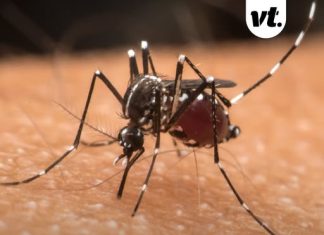
Chikungunya is primarily spread through bites from infected Aedes species mosquitoes — the same type that carries dengue and Zika. These mosquitoes thrive in warm, tropical environments and spread the virus quickly in areas with poor mosquito control and dense populations. Because there is no antiviral treatment available, public health efforts rely heavily on prevention: avoiding mosquito bites, reducing exposure, and — where available — vaccination for those traveling to high-risk areas.
Notable Outbreaks in Specific Regions
Recent reports highlight major outbreaks in several countries. In Bangladesh, the capital city has seen hundreds of suspected cases between January and September 2025 alone. In Guangdong Province, China, officials confirmed about 16,000 locally transmitted infections — marking the largest outbreak recorded in that region so far. In Cuba, at least 34 confirmed cases have been reported by late September, prompting public-health responses. Meanwhile, Sri Lanka documented approximately 150 confirmed cases by mid-March, with infections peaking earlier in the year though surveillance continues.
Broader Risk Areas Beyond the Hotspots
The CDC also warns that travelers headed to other countries — even those not currently under formal advisories — may face increased Chikungunya risk. These countries include Brazil, Colombia, India, Mexico, Nigeria, Pakistan, Philippines and Thailand. While these nations currently lack active, large-scale outbreaks, shifting weather patterns and seasonal mosquito surges could increase transmission risk — especially in regions where mosquito control is inconsistent.
Recommendations for Travelers
Given the rising global spread of Chikungunya, travelers should take multiple precautions:
- Consider postponing nonessential travel to high-risk areas flagged by the CDC.
- If travel is unavoidable, use mosquito repellents, wear protective clothing, and avoid being outdoors during peak mosquito activity (dawn and dusk).
- Stay updated on local health advisories in your destination country.
- If available, get vaccinated prior to travel — especially when heading to regions with confirmed or sustained virus transmission.
- Until effective treatments spread widely, prevention remains the best safety measure. As global travel resumes and climate conditions change, health agencies emphasise vigilance and informed travel planning to curb further spread of mosquito-borne illnesses like Chikungunya.

Conclusion
The rise of Chikungunya virus cases across multiple countries highlights the ongoing threat posed by mosquito-borne illnesses. With no specific cure available, prevention through awareness and protective measures remains essential—especially for travelers visiting affected regions. Staying informed, using mosquito repellents, and following health advisories can significantly reduce the risk of infection. As climate change and global travel continue to influence the spread of these viruses, vigilance and proactive precautions are crucial to safeguarding public health worldwide.