
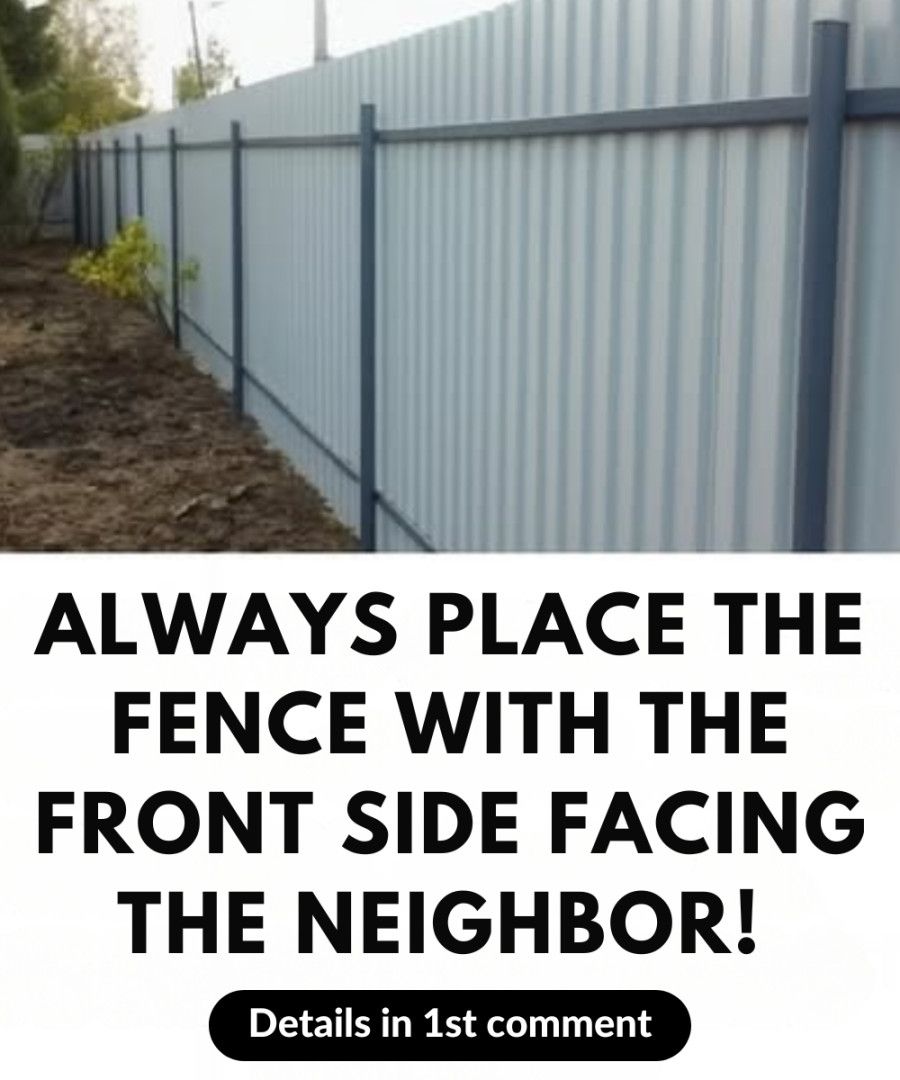
When you’re installing a boundary fence, one of the most common questions is: which side should face the neighbor? Many people assume it doesn’t matter, but in practice how you place the finished/front side of a fence can affect neighbor relations, legal standards, and long-term maintenance. Traditionally, experts and local building authorities recommend that the more finished, aesthetic side face outward toward your neighbor’s property or the street while the structural posts and support rails face inward. This principle is rooted in good neighbor etiquette and often reflected in official guidelines.
What “Front” and “Back” of a Fence Really Mean
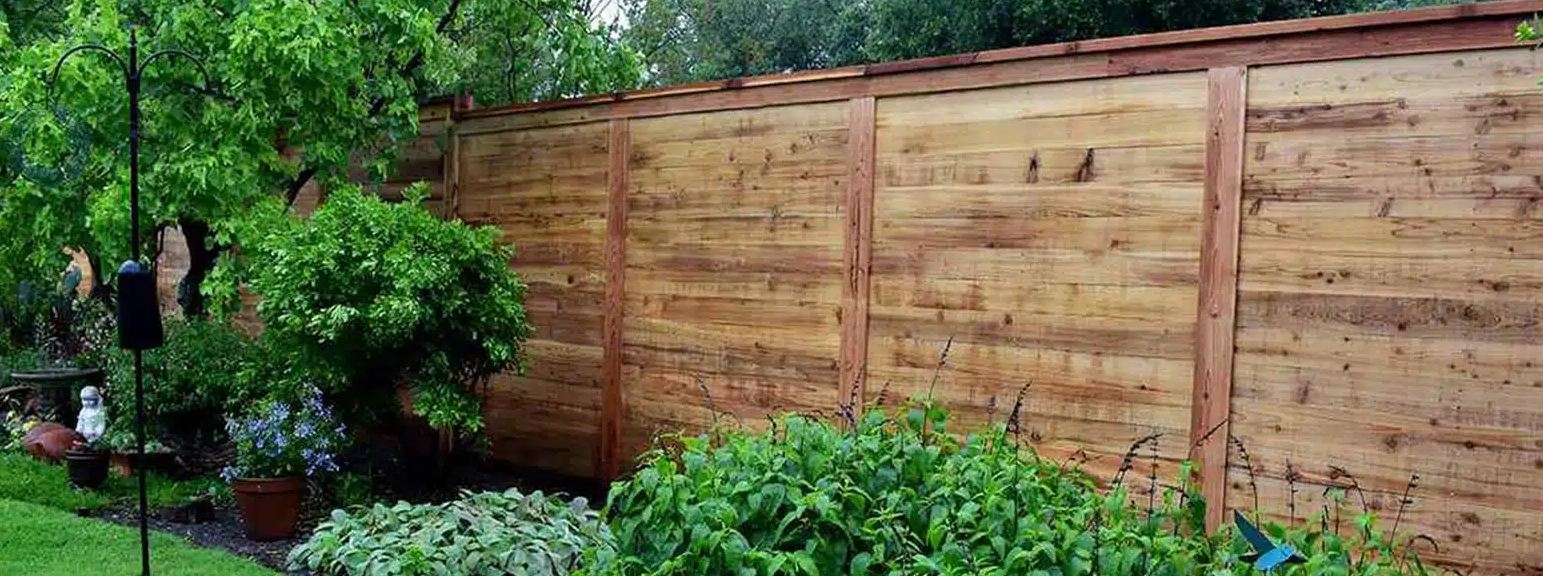
The front of a fence refers to the side with the finished panels, boards, or decorative elements — essentially the side meant to look nicer. The back is where the posts, rails, and structural supports are visible. This distinction doesn’t just affect appearance; it also influences how easy it is to maintain the fence and how the fence fits into the landscape. When both neighbors agree to place the fence on the boundary line, the question becomes important: should each person see the finished side facing them, or should the finished side face only one yard? Many communities recommend placing the front side outward toward the neighbor or public area to ensure the nicest view for those outside your property.
The Etiquette Behind Fence Orientation
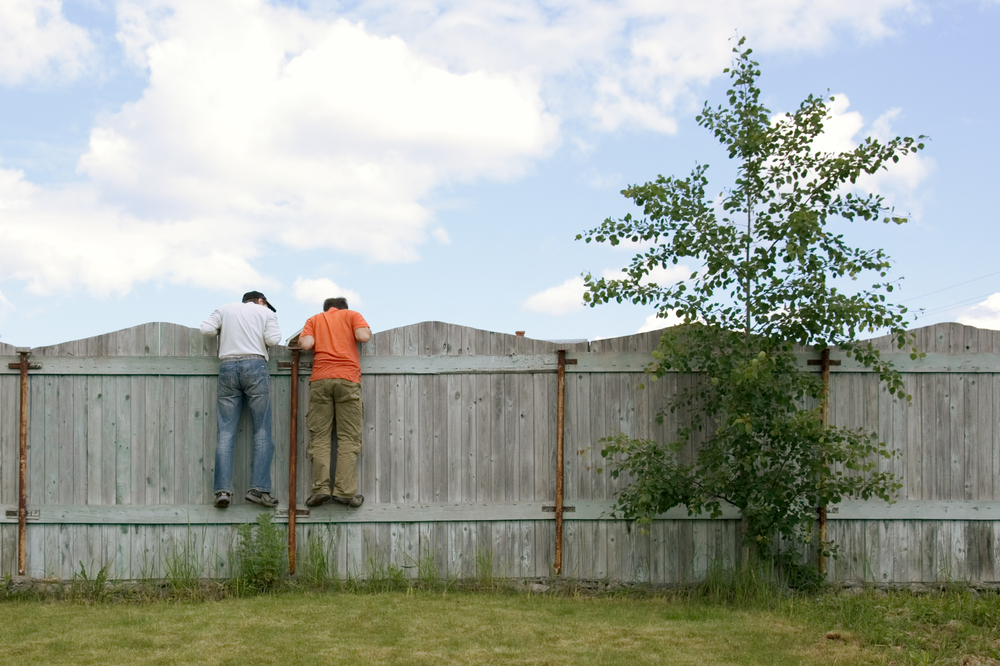
Good neighbor relationships often depend on mutual consideration. By facing the more attractive side of a fence toward your neighbor’s yard — or toward the street — it sends a message of respect and reduces potential disagreements. Many homeowners associations and municipal guidelines suggest this approach because it creates a more pleasing visual environment for everyone, not just the homeowner with the fence on their property.
Here are common etiquette principles most experienced builders and neighbors follow:
- Front side toward the public/neighbor: This avoids showing the neighbor the structural side with exposed supports.
- Agree on style together: Fencing installed on a shared boundary line is ideally planned and agreed with the neighbor — including orientation, height, and materials.
- Avoid last-minute decisions: Installing a fence with the unfinished side facing a neighbor can lead to disputes or requests to redo the work.
- Even when not mandated by law, following these courtesy practices can save stress later.
Local Building Codes and Rules
While etiquette is important, legal requirements vary by location. Many towns and cities have rules about fence placement and appearance, and some actually require that the finished side face outward, especially when visible from the street or public right-of-way. When fences are installed along a shared property line, others allow flexibility — but suggest neighbors agree in writing before installation. If your area is governed by a homeowners association (HOA), the rules may be more detailed — specifying materials, styles, colors, and even which side must face outward. However, many HOA guidelines still follow the basic idea that aesthetics matter for the community. To be sure you’re compliant, it’s wise to check local regulations before installing any boundary fence and get the neighbor’s input if the fence sits on or near the property line.
Why This Orientation Helps Maintenance
Having the front side face outward (toward the neighbor or public area) also makes future upkeep easier. When the structural side with posts and rails faces your property, you have direct access for repairs, staining, or painting without stepping onto your neighbor’s lawn. This practical advantage is especially helpful with wooden fences that require regular maintenance. By contrast, placing the less attractive back toward your yard keeps your own space looking cleaner and more intentional — without sacrificing aesthetics on the outward-facing side.
Final Takeaway
In short:
- Place the nicer, finished face of a fence toward your neighbor or street unless local rules specify otherwise.
- Discuss fence orientation with your neighbor before installation to avoid disagreements.
- Check local building codes and HOA requirements to ensure compliance before starting building work.
- Consider maintenance access when deciding which direction the structural side should face.
- Following these tips helps protect neighborly relationships and keeps your property looking its best — without unnecessary disputes over aesthetics or upkeep.