
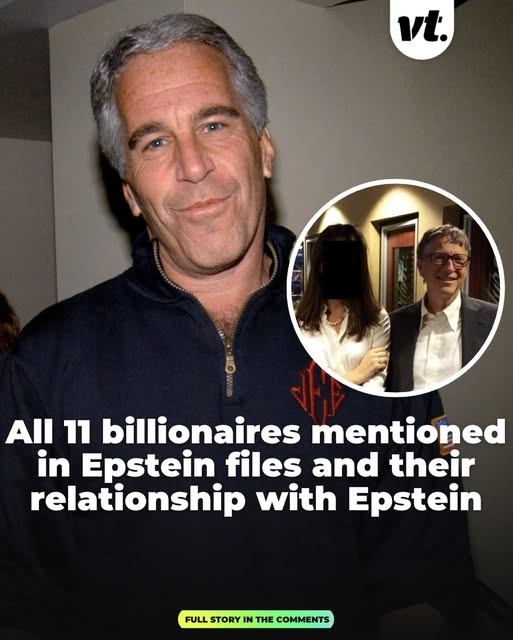
The U.S. Department of Justice’s release of millions of pages of documents related to Jeffrey Epstein has reignited global scrutiny of powerful individuals connected, directly or indirectly, to the disgraced financier. It’s important to emphasize that being mentioned in these files does not mean someone is accused of criminal activity many names appear in emails, travel logs, business correspondence, or other data included in the release. However, the lists show how Epstein’s network intersected with high-profile elites.
In recent sessions with lawmakers, several wealthy figures have been publicly disclosed from previously redacted portions of the files, prompting investigations and resignations.
Billionaires Reported in the Epstein Files
Here are some of the major billionaires and wealthy individuals whose names have surfaced in the released documents and related investigations:
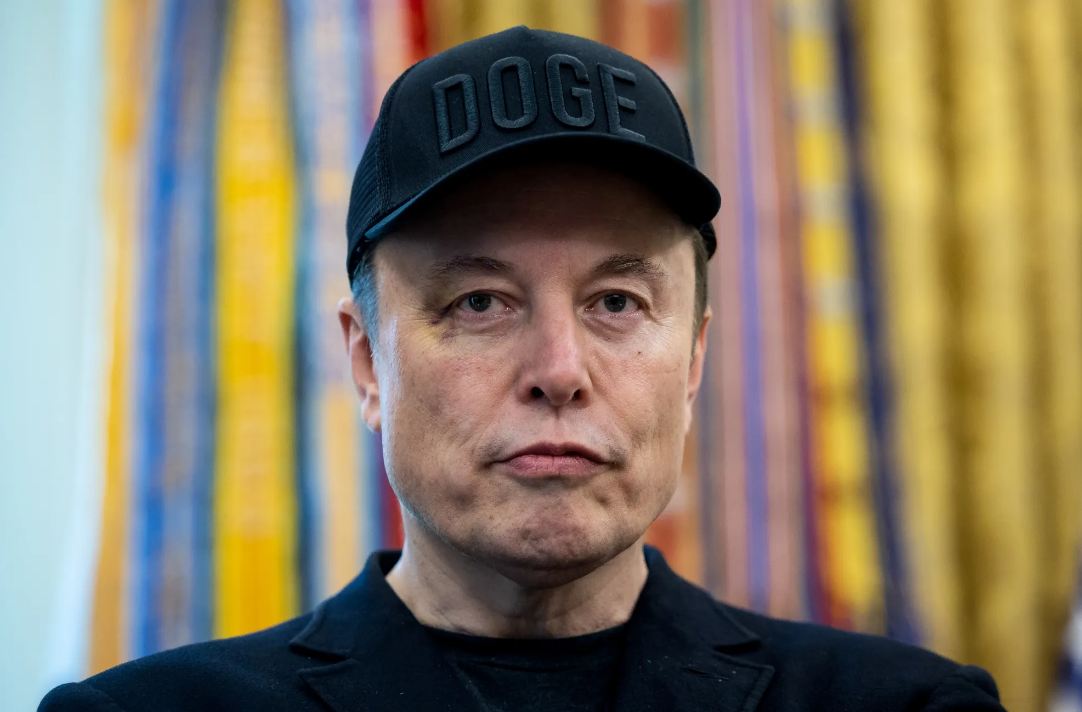
1. Elon Musk
Appears in email exchanges with Epstein, allegedly discussing visiting Epstein’s Caribbean island. Musk has publicly said he did not visit the island, but his name appears in correspondence.
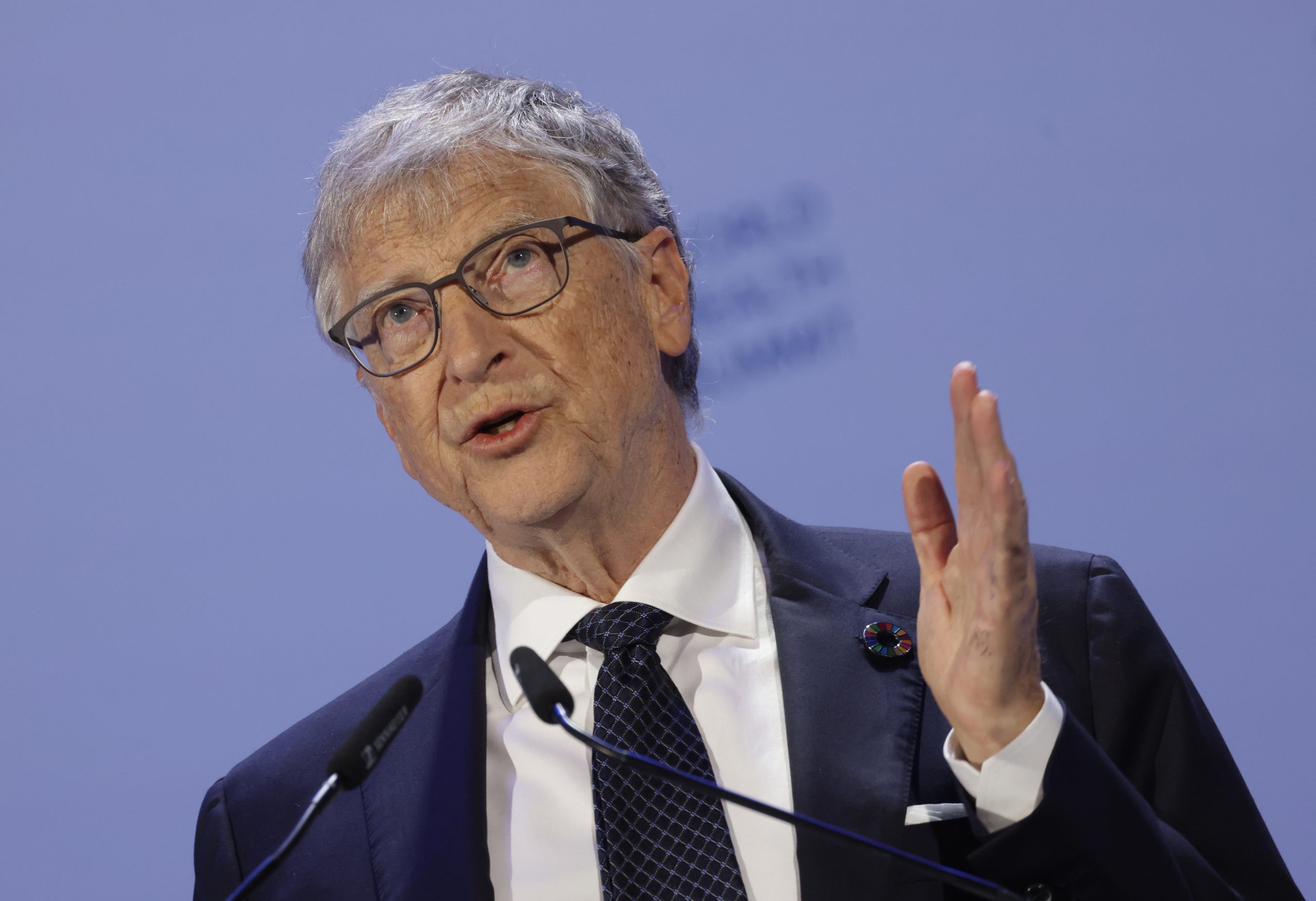
2. Bill Gates
Identified multiple times in the files. Gates has acknowledged limited interactions with Epstein but says he regrets them.
3. Leslie Wexner
Former billionaire retail magnate whose company granted Epstein power of attorney and financial control. His ties are under intense scrutiny and investigations are ongoing.
4. Leon Black
A prominent financier who had financial relationships with Epstein, including hundreds of millions in payments for advisory services. Legal and public scrutiny continues.
5. Ron Burkle
Mentioned in civil litigation and documents as someone who knew of Epstein and had past contact; he has not admitted wrongdoing.
6. Ariane de Rothschild
Epstein corresponded and worked with the Rothschild banking family on financial contracts, according to emails.
7. Fred Ehrsam
Identified in investment documents showing Epstein was an early investor in a major cryptocurrency exchange.
8. Andrew Farkas
Corresponded extensively with Epstein and partnered on real estate deals, according to documents.
9. Thomas Pritzker
Stepped down from his role at Hyatt amid revelations of continued contact with Epstein even after Epstein’s 2008 conviction.
10. Others in Public Scrutiny
While not always labeled strictly as billionaires, Sultan Ahmed Bin Sulayem (a major international business leader) and Howard Lutnick (commerce official and financier) have also faced scrutiny related to their names appearing in the files.
Broader Context and Debate
Appearing in the files doesn’t imply guilt — many names may occur in logistical documents, third-party correspondence, or innocuous contexts. Lawmakers and public figures continue to debate how many more unredacted names remain hidden and whether those listed had knowledge of Epstein’s crimes. The wide range of individuals mentioned, from business leaders to politicians, reflects how Epstein’s network spanned influential sectors.
What Happens Next
Investigations and congressional hearings are ongoing, with some individuals called to testify about their relationships with Epstein. As scrutiny continues, many institutions are reviewing their associations with figures named in the files, and public pressure for transparency remains high.
Conclusion
The release of the Epstein files has once again exposed how deeply Jeffrey Epstein was embedded within elite circles of wealth, power, and influence. While the appearance of a name in these documents does not equal criminal guilt, it has undeniably raised serious questions about accountability, transparency, and how such relationships were allowed to exist largely unchecked for years. For the public, the revelations reinforce a long-standing concern: that extreme wealth and status can provide access, protection, and silence that ordinary people do not enjoy. The fact that so many billionaires and high-profile figures appear in Epstein-related records highlights systemic failures — not only in oversight, but in how institutions respond when power intersects with wrongdoing. As investigations and political debates continue, the focus is gradually shifting away from speculation toward responsibility. Lawmakers, journalists, and victims’ advocates are increasingly calling for clearer explanations, fewer redactions, and stronger safeguards to ensure similar abuses cannot be hidden behind influence again.