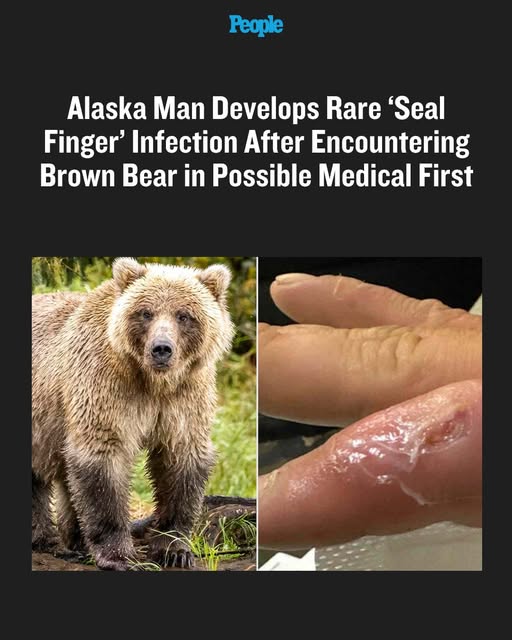
Health officials in Alaska have reported a rare medical case after a man developed an unusual infection known as “seal finger.” What makes the case remarkable is that the infection was linked to a brown bear rather than the animal typically associated with the disease. Doctors say this is believed to be the first documented case in the state where the illness was connected to handling a brown bear. The discovery has raised questions among researchers about how the bacteria spreads between animals and humans.
What Is Seal Finger?
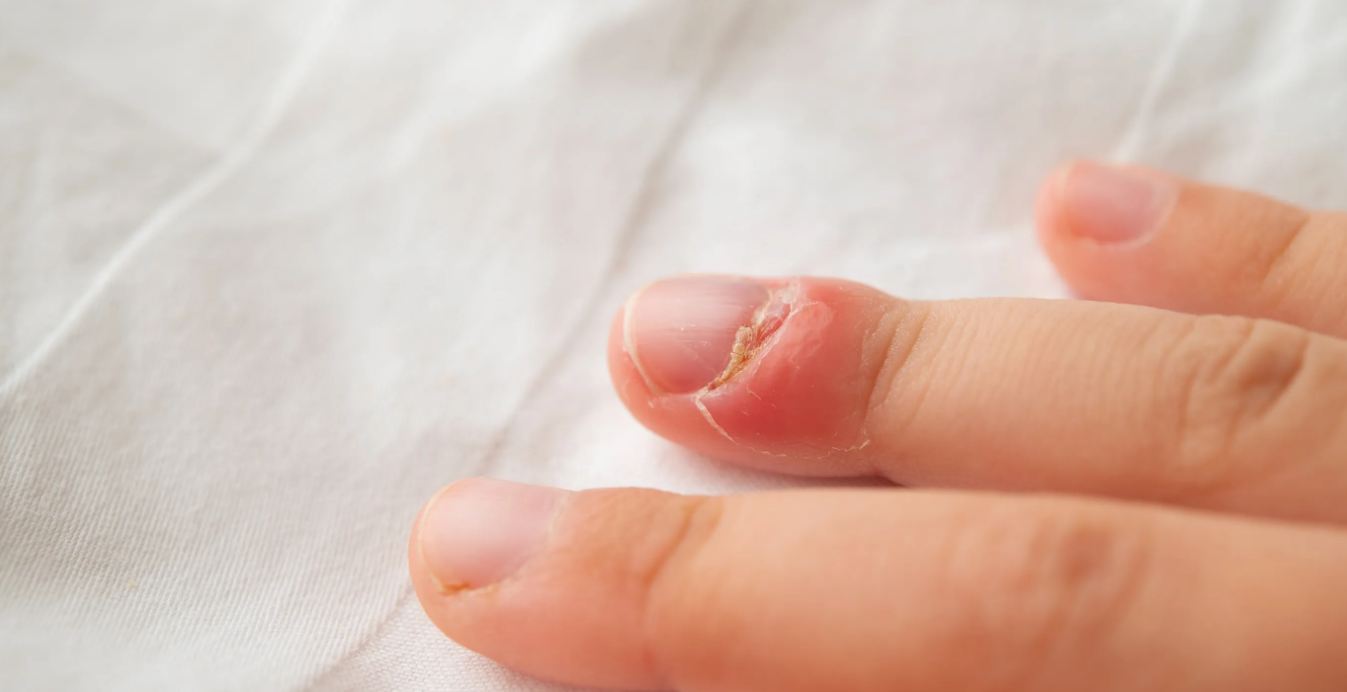
Seal finger is a rare bacterial infection that usually affects people who handle seals or other marine mammals. The illness typically enters the body through small cuts or wounds on the hands while handling animals or animal tissue. The infection can cause painful swelling, redness, and inflammation in the fingers or joints. In severe cases, it may lead to joint damage or other complications if not treated quickly. Historically, seal hunters, fishermen, and marine biologists have been the groups most likely to encounter the disease. The condition is caused by a bacterium called Mycoplasma phocimorsus, which is difficult to detect because it does not grow easily in standard laboratory cultures.
How the Man Became Infected
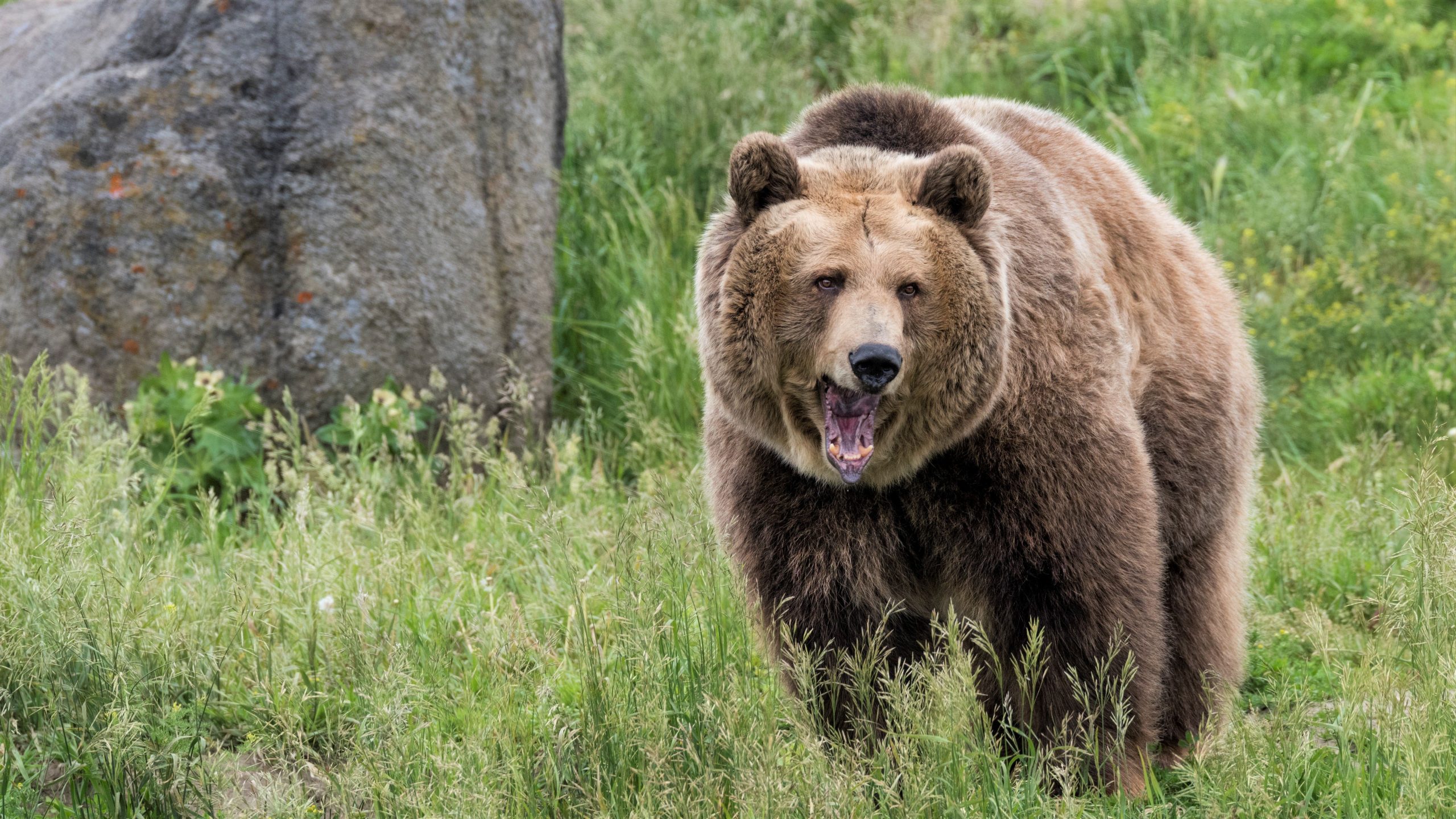
The case involved a man in his late twenties who suffered a cut on his finger while skinning a brown bear during a hunting trip on the Alaska Peninsula. After the injury, his finger began to swell and became extremely painful. Initially, doctors believed it was a typical infection and prescribed standard antibiotics. However, the treatment did not work, and the condition continued to worsen. Further testing eventually revealed that the infection was caused by the rare bacteria linked to seal finger. Because the illness is uncommon and difficult to identify, it took time for doctors to determine the correct diagnosis.
Why This Case Is Unusual
Seal finger infections are normally associated with direct contact with seals. In this case, the patient had no contact with seals at all, which surprised doctors and researchers. Experts believe the brown bear may have been exposed to the bacteria after feeding on infected marine animals, such as seals or other wildlife. Another possibility is that bears could carry the bacteria themselves and act as reservoirs for the pathogen. The case is considered a medical first in Alaska and one of the few examples worldwide where the infection may have been transmitted through an animal other than a seal.
Treatment and Recovery
Once doctors identified the correct bacteria, the patient was treated with the antibiotic doxycycline for six weeks. This treatment successfully cleared the infection. Although the man recovered, doctors reported that he experienced lingering stiffness and reduced mobility in his finger after the illness. Early diagnosis is important because the infection can damage joints and tendons if it spreads.
Advice for Hunters and Wildlife Handlers
Health officials say the case highlights the importance of safety when handling wildlife. Hunters and others who process animals are advised to wear protective gloves and carefully clean any wounds immediately. Medical professionals are also being encouraged to consider rare infections when patients develop severe finger or joint problems after wildlife exposure. While the illness remains extremely rare, the case shows how diseases can move through ecosystems in unexpected ways. Scientists say further research is needed to understand how the bacteria spreads between animals and humans.