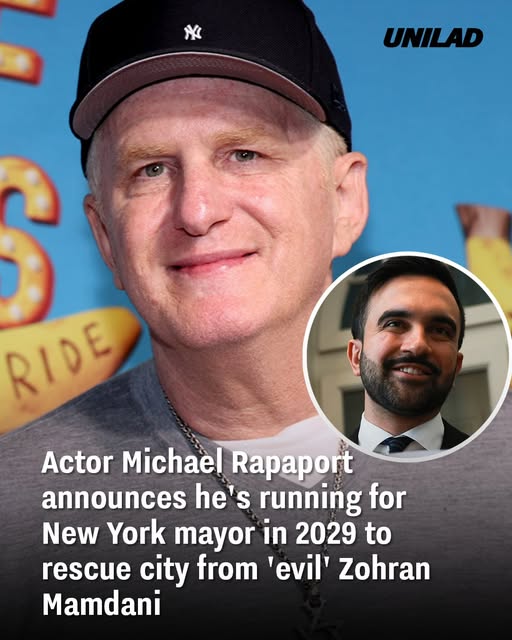
Actor, comedian, and outspoken public figure Michael Rapaport has announced his intention to run for mayor of New York City in 2029, sparking immediate debate and media attention. Known for his blunt commentary and strong opinions, Rapaport says his motivation comes from deep frustration with the city’s current political direction and leadership under Mayor Zohran Mamdani, whom he has sharply criticized.
A Surprise Political Move
Rapaport’s announcement caught many by surprise, as he has never previously held public office. However, he has long been vocal about politics, culture, and New York City life through podcasts, interviews, and social media. By declaring a mayoral run years in advance, Rapaport appears to be positioning himself as an alternative voice to the current administration, appealing to voters who feel disconnected from traditional political figures. He framed his potential campaign as a mission to “rescue” New York City, arguing that it has lost its identity, safety, and economic stability. His language was intentionally dramatic, reflecting the confrontational style that has defined his public persona.
Criticism of Zohran Mamdani
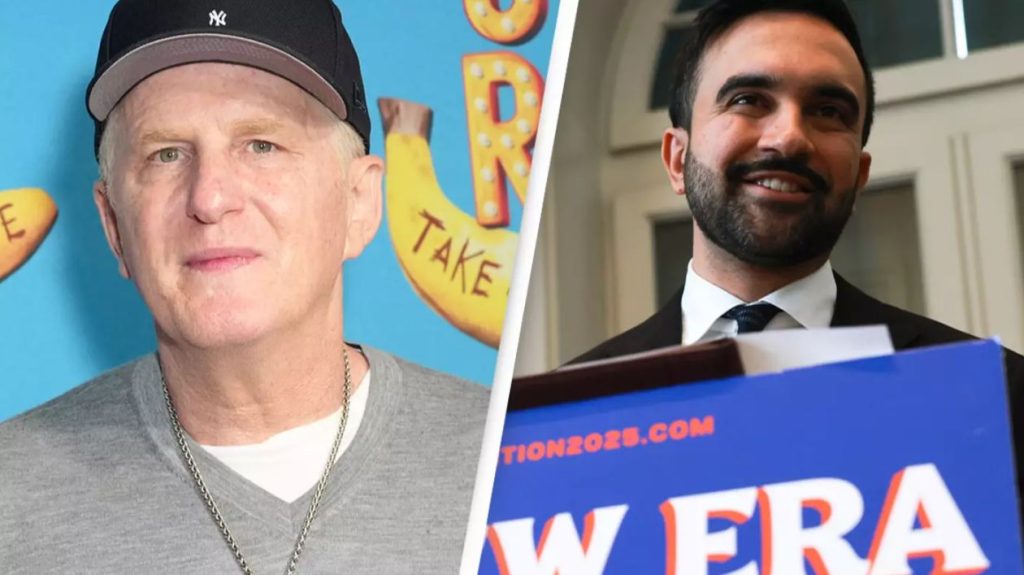
Central to Rapaport’s announcement is his criticism of Mayor Zohran Mamdani. Rapaport has labeled Mamdani’s leadership as harmful to the city, accusing him of promoting policies that, in his view, prioritize ideology over practical solutions. He has taken aim at issues such as public safety, business closures, rising costs of living, and what he sees as a growing disconnect between City Hall and everyday New Yorkers. Rapaport’s use of the word “evil” to describe Mamdani’s influence has drawn strong reactions, with supporters praising his bluntness and critics accusing him of inflammatory rhetoric. The clash highlights how polarized New York politics has become in recent years.
From Entertainment to City Hall?
While celebrity political campaigns are not new, they often raise questions about experience and qualifications. Rapaport has acknowledged he is not a career politician but argues that this is precisely his strength. He claims that being an outsider allows him to speak honestly, challenge entrenched systems, and represent ordinary residents rather than political insiders. Supporters argue that his deep connection to New York culture and his lifelong association with the city give him credibility. Skeptics, however, question whether media presence and passion can translate into effective governance of one of the world’s most complex cities.
Public Reaction and Media Buzz
The reaction to Rapaport’s announcement has been swift and divided. Some New Yorkers view his candidacy as refreshing, seeing him as a voice for frustration many residents feel but believe politicians ignore. Others dismiss the announcement as publicity-driven, suggesting it may be more symbolic than serious. Media outlets have seized on the story, framing it as a clash between celebrity culture and progressive politics. Political commentators note that even if Rapaport does not ultimately win, his presence could influence the conversation and force other candidates to address issues they might otherwise avoid.
What Comes Next
With the election still years away, Rapaport has time to build a platform, organize supporters, and clarify his policy positions. Whether his campaign becomes a serious political movement or remains a provocative statement will depend on his ability to move beyond criticism and present concrete solutions. For now, his announcement has already achieved one goal: putting New York’s leadership, direction, and future back at the center of public debate.