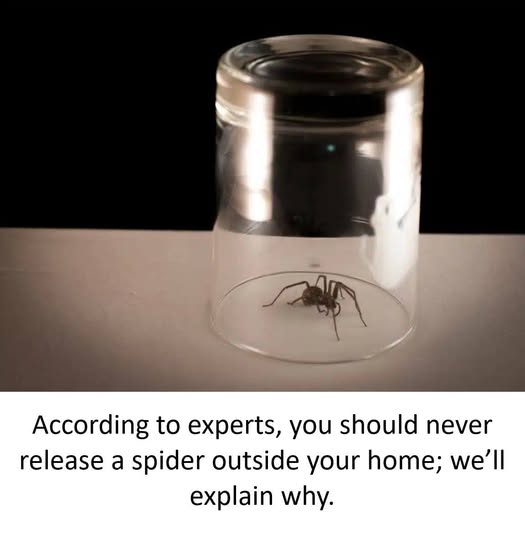
Seeing a spider inside your home can be unsettling for many people — and the instinctive reaction for some is to catch it and release it outside. But according to arachnid specialists, this well-meaning approach may not always be the best idea. In fact, experts suggest there are important reasons you might want to think twice before releasing a spider outdoors.
The debate over whether to relocate spiders isn’t simply about comfort or fear. It involves understanding the role spiders play in ecosystems, how different species adapt to environments, and what releasing them can mean for both the spider and the garden outside your home.
Spiders as Natural Pest Controllers
One of the key reasons some experts caution against releasing indoor spiders is their role as natural pest regulators. Spiders feed on insects like mosquitoes, flies, and other bugs that many people find annoying or potentially harmful. By staying inside your home, spiders can help reduce the number of pests you encounter around your living spaces.
So while many people see spiders as unwanted guests, arachnid specialists note that they can perform a useful ecological service — consuming insects that might otherwise bother you or even carry disease. This ecological balance is part of why some recommend leaving the spider where it is.
Not All Spiders Are Alike
It’s important to recognize that this advice doesn’t apply universally to every spider you might find indoors. Different species behave very differently:
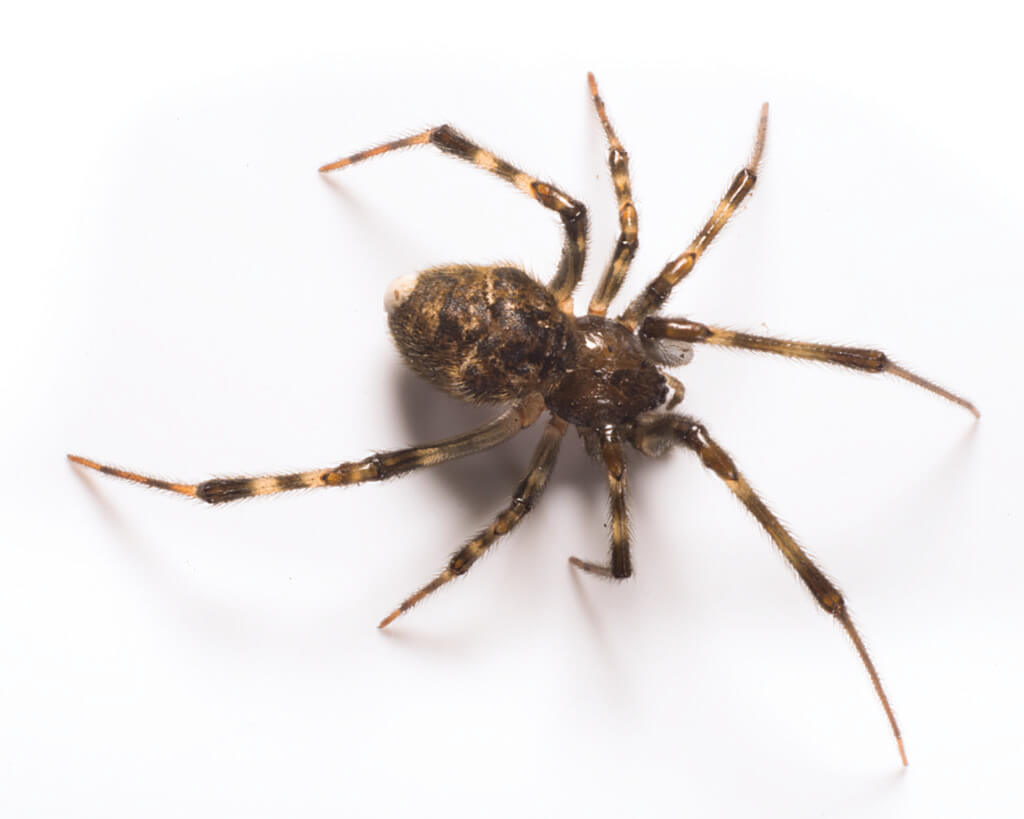
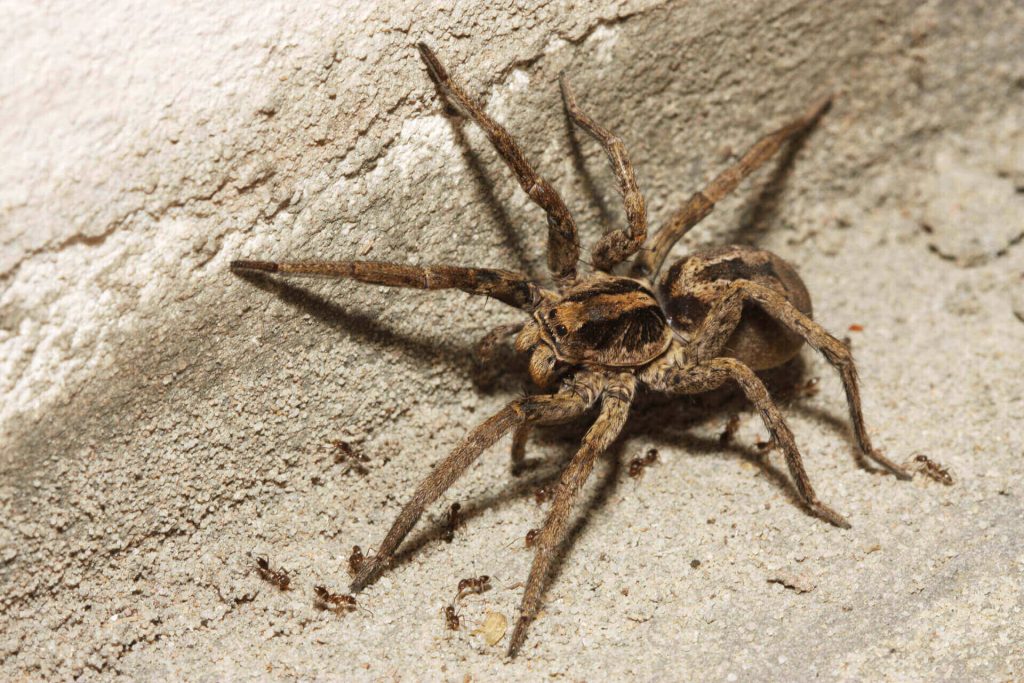
House spiders, which are commonly found inside homes, are often well-adapted to indoor environments and find food sources within the house itself. They may not thrive if released outdoors. Native outdoor species, on the other hand, are naturally suited to life outside and may fare better if returned to a garden or yard. These spiders are likely part of the local ecosystem and contribute to pest control in that environment. Before attempting to relocate a spider, experts recommend considering what type of spider it is. Identifying the species — or at least the general kind — can help you decide whether moving it outside is likely to help or harm its chances.
The Downsides of Releasing Spiders Outside
While releasing a spider outside might seem more humane than killing it, there are a few drawbacks to consider:
- 1. Adaptation to indoor life: Indoor spiders may have adapted to specific food sources and microclimates that your home provides. Moving them outside might expose them to predators, weather extremes, or starvation if they can’t adjust.
- 2. Competing with local species: When you release a spider outside, it could compete with native spiders in that area. This competition might disrupt existing food chains or territorial balances among outdoor arachnids.
- 3. Outdoor hazards: Outdoor environments aren’t always safe. Spiders released into a yard could quickly fall prey to birds, lizards, or other predators. They may also encounter pesticides or other chemicals that could harm them.
These risks mean that releasing spiders outside isn’t necessarily better for the spider, even if it seems kinder at first glance.
What Experts Recommend Instead
Given the complexities involved, experts offer a few sensible guidelines for handling spiders in your home:
- Leave them be when possible: If the spider is in a part of your home where it isn’t causing harm or distress, letting it remain undisturbed can benefit you by reducing other insects.
- Use non-lethal capture when needed: If you really want spiders removed, use a glass and a piece of paper to gently trap and relocate them within your home — like into a basement or garage where they are less likely to encounter people.
- Learn to identify local spiders: Basic identification can help you decide when a spider is a true outdoor species versus one that has adapted to indoor living. This makes your choice about relocation more informed.
Final Thoughts
Spiders have a complicated relationship with humans. While many of us instinctively want them gone, they can play beneficial roles indoors by controlling other pests. And while releasing them outdoors may seem like a kind gesture, experts caution that it isn’t necessarily better for the spider’s well-being. Understanding the species, its needs, and its role in the ecosystem can help you make a more informed decision — one that supports both your comfort and the health of the tiny creature you’ve encountered.