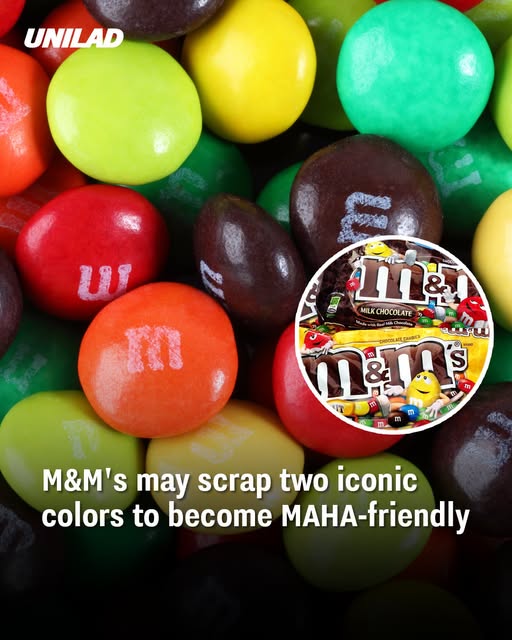
&M’s is preparing for one of the biggest changes in its 85-year history as the popular candy brand moves toward using natural food colorings. The decision comes amid growing pressure across the United States to reduce the use of artificial dyes in food products and follows wider efforts associated with the Make America Healthy Again (MAHA) initiative.
The change means that two of the candy’s most recognizable colors will temporarily disappear from a new naturally colored version of the product.
Why the Colors Are Being Removed
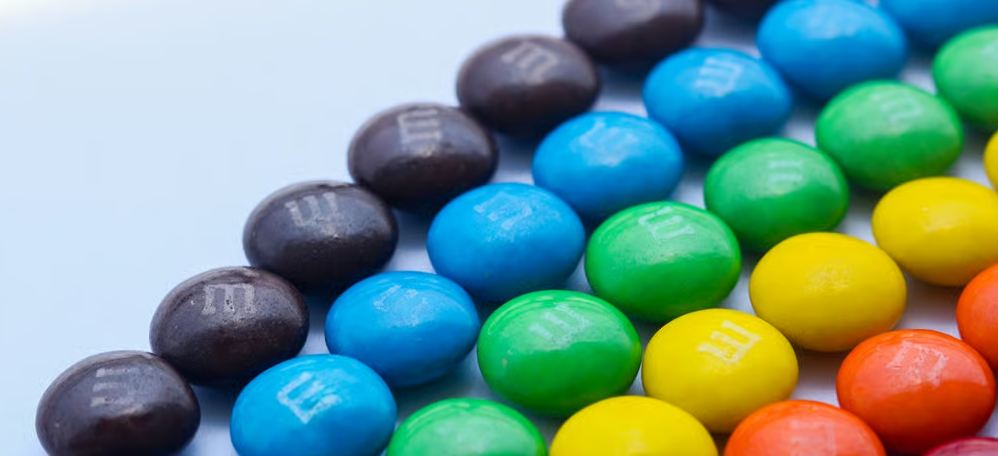
Mars, the company behind M&M’s, has spent years researching alternatives to synthetic food dyes. While scientists successfully recreated several colors using natural ingredients, two shades proved far more difficult to replace. The blue and brown candies are expected to be absent from the new naturally colored lineup because finding suitable natural substitutes has presented significant technical and manufacturing challenges. Researchers were able to develop alternatives for red, orange, and yellow candies, but reproducing blue has become especially complicated. Since brown coloring also relies heavily on blue pigments, both colors are being removed for the initial launch.
The Challenge of Creating Natural Blue Coloring
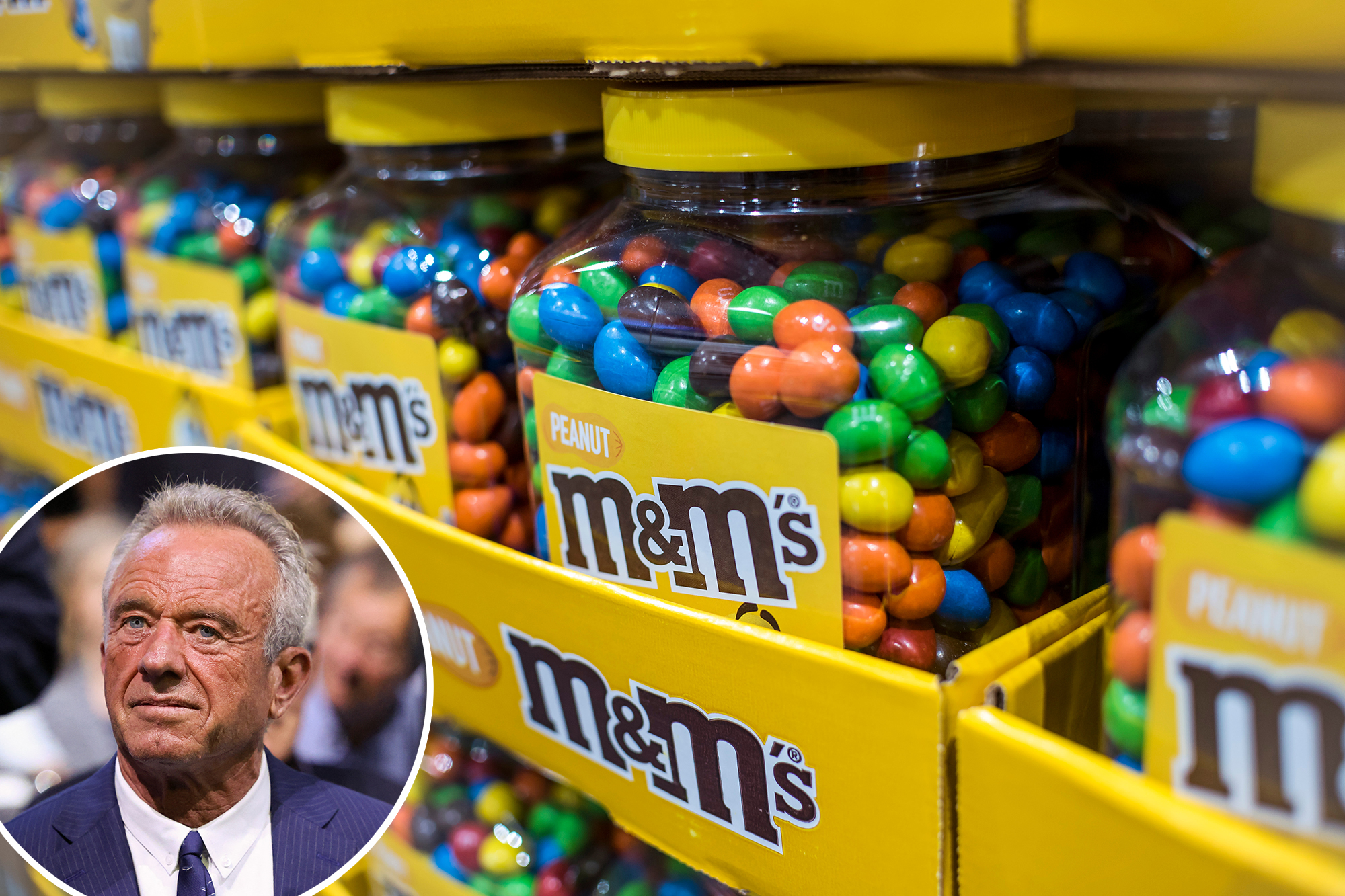
One of the biggest obstacles involves finding a natural ingredient capable of producing the bright blue shade consumers recognize.
Mars reportedly experimented with spirulina extract, a substance derived from blue-green algae that is often used as a natural food coloring. Although it can create a blue appearance, the ingredient has caused unexpected production issues. The natural pigment requires much larger quantities than traditional artificial dyes and has reportedly created buildup within manufacturing equipment. These complications have increased costs and required extensive adjustments to production systems. According to reports, engineers and food scientists have spent years attempting to solve the problem while maintaining the candy’s familiar appearance and quality.
Massive Investment Behind the Transition
The effort to replace artificial dyes has become a major undertaking for Mars. More than 100 employees have reportedly been involved in the project, with a significant number focused specifically on recreating the blue color. The company is also investing in hundreds of equipment upgrades, including new tanks, motors, cleaning systems, and manufacturing processes designed to handle natural ingredients. Company representatives have described the project as one of the most difficult product-development challenges they have faced because it involves changing a product that consumers have recognized for generations.
Influence of the MAHA Movement
The transition comes as federal health officials continue promoting policies aimed at reducing the use of petroleum-based artificial dyes in foods and medications. The MAHA initiative, led by U.S. health officials, has emphasized food quality, ingredient transparency, and the replacement of certain synthetic additives with naturally sourced alternatives. Efforts to phase out petroleum-based food dyes have become a prominent part of the initiative’s broader health agenda. Growing regulatory pressure and increasing attention from consumers have encouraged many food manufacturers to explore natural replacements for ingredients that have traditionally been used for decades.
What Consumers Can Expect
The naturally colored M&M’s are expected to debut in August 2026. While the new version will initially lack the blue and brown candies, the company has stated that work continues to recreate the full rainbow of colors using natural ingredients. For now, traditional M&M’s will remain available, giving consumers a choice between the classic product and the new naturally colored version. Mars ultimately hopes to restore all original colors in future releases once researchers overcome the remaining technical challenges.
Looking Ahead
The temporary disappearance of blue and brown M&M’s highlights the difficulties food companies face when balancing consumer expectations, manufacturing realities, and changing health standards. While removing two iconic colors may seem like a small adjustment, it represents a much larger shift occurring throughout the food industry as manufacturers work to replace synthetic ingredients with natural alternatives. Whether consumers embrace the new version remains to be seen, but the move signals that one of the world’s most recognizable candy brands is entering a new era focused on ingredient reformulation and evolving health priorities.