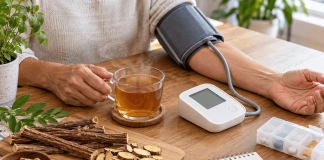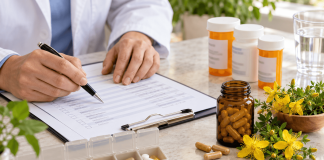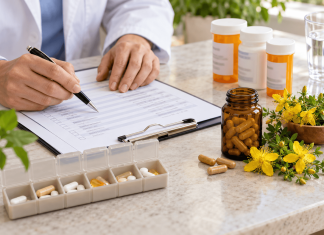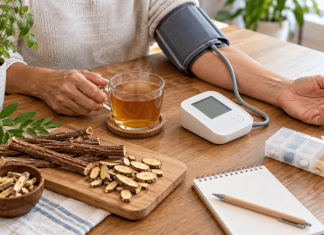

Ginger is widely used as a natural remedy for nausea, digestion, and inflammation, and for most people it is considered safe in normal food amounts. However, research shows there are certain situations where it should be used carefully or avoided because it can cause side effects or interact with health conditions. Common issues include mild digestive discomfort, heartburn, and in some cases effects on blood clotting or medication balance.
Below are five important situations where caution is recommended.
1. If You Have Blood Clotting Problems or Take Blood Thinners
Ginger has natural “blood-thinning” properties that may reduce how quickly blood clots. This can be risky for people with bleeding disorders or those taking anticoagulant medications like warfarin. In some cases, it may increase bruising, nosebleeds, or bleeding gums if used in large amounts. Because of this, doctors often recommend consulting a healthcare professional before using ginger supplements regularly.
2. If You Have Gallbladder Issues
Ginger can stimulate bile production in the digestive system. For people with gallstones or gallbladder inflammation, this may worsen discomfort or trigger pain. The digestive stimulation that normally helps healthy digestion may become a problem when the gallbladder is already sensitive or blocked. In such cases, even small amounts may cause bloating or abdominal discomfort.
3. If You Have Diabetes or Blood Sugar Concerns
Ginger may help regulate blood sugar levels, but this can also become a risk when combined with diabetes medication. If blood sugar drops too much, it may lead to dizziness, weakness, or unstable glucose control. This is especially important for people already using insulin or glucose-lowering drugs. Monitoring and medical advice are recommended before adding concentrated ginger supplements.
4. During Pregnancy (High or Supplement Doses)
Ginger is commonly used to reduce nausea during pregnancy, and small amounts in food are generally considered safe. However, high doses or supplements may not be suitable for everyone. Some experts warn that excessive intake could increase risks such as digestive irritation or hormonal effects, so moderation is key. Pregnant individuals are usually advised to stick to food-level amounts unless approved by a doctor.
5. Before Surgery or When Healing Wounds
Because ginger can affect blood clotting and circulation, it may increase the risk of bleeding during or after surgery. For this reason, many healthcare providers recommend stopping ginger supplements at least a few days before surgical procedures. This precaution helps ensure normal clotting and reduces complications during healing.
Conclusion
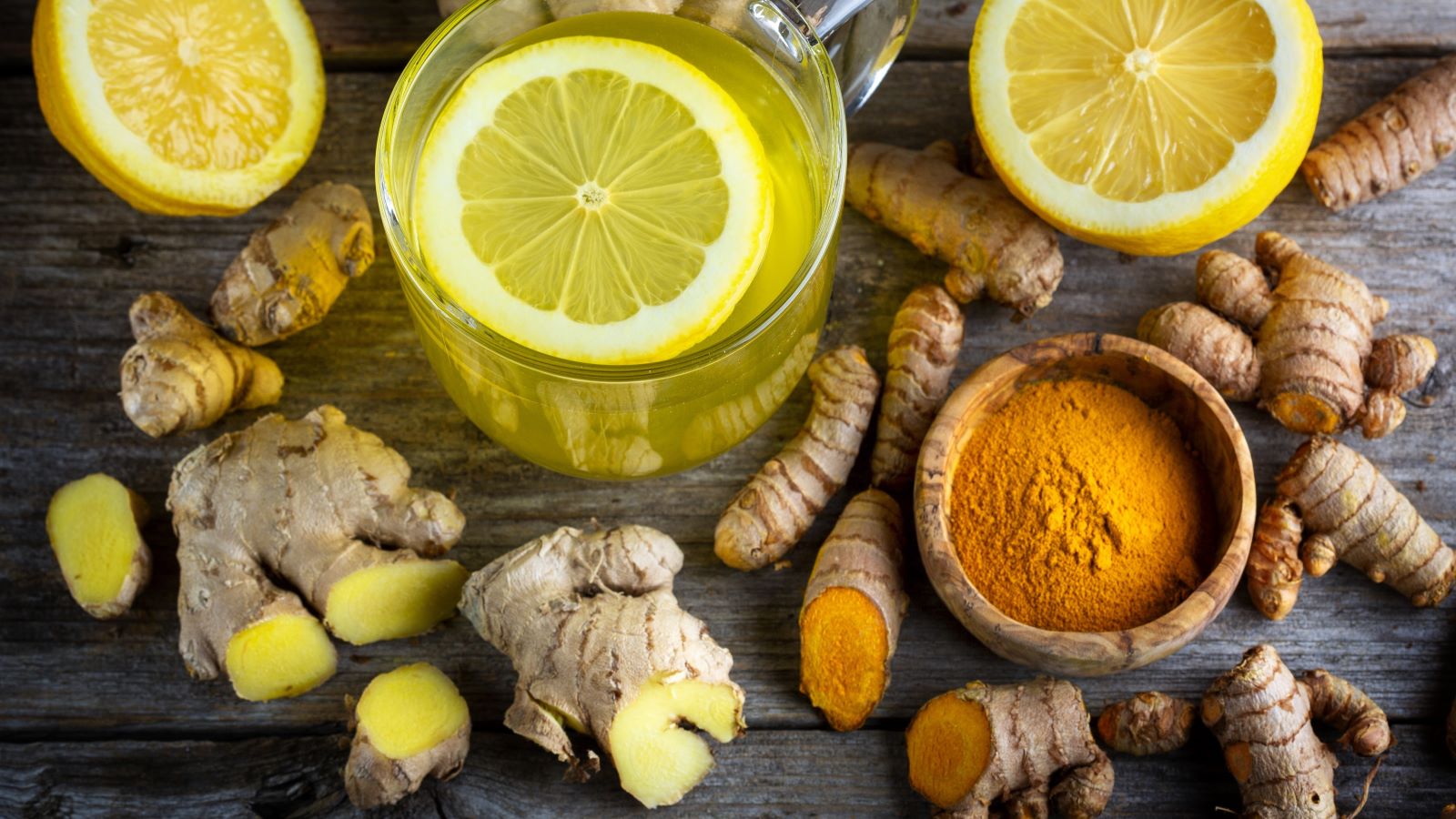
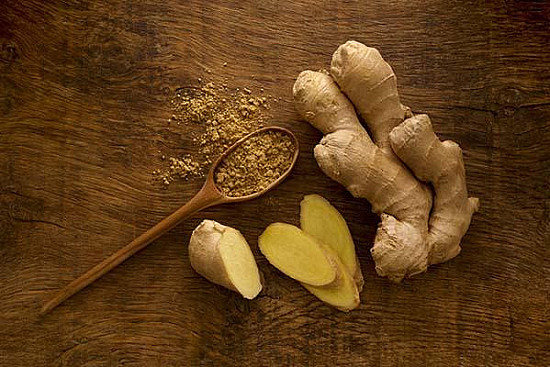
Ginger is a powerful natural ingredient with many health benefits, but it is not suitable in unlimited amounts or for every situation. People with bleeding disorders, gallbladder disease, diabetes, pregnancy concerns, or upcoming surgery should be especially cautious. In general, moderate amounts in food or tea are safe for most healthy individuals, but supplements or high doses should always be used carefully and ideally with medical guidance. Ginger can be a very beneficial natural remedy when used in normal food amounts, offering support for digestion, nausea relief, and inflammation reduction. However, as with many natural substances, it is not risk-free in all situations. People with certain medical conditions, those taking specific medications, pregnant individuals, or anyone preparing for surgery should be especially careful with higher doses or supplements. The key takeaway is balance: moderate use is generally safe for most people, but excessive intake can lead to unwanted side effects or health complications.