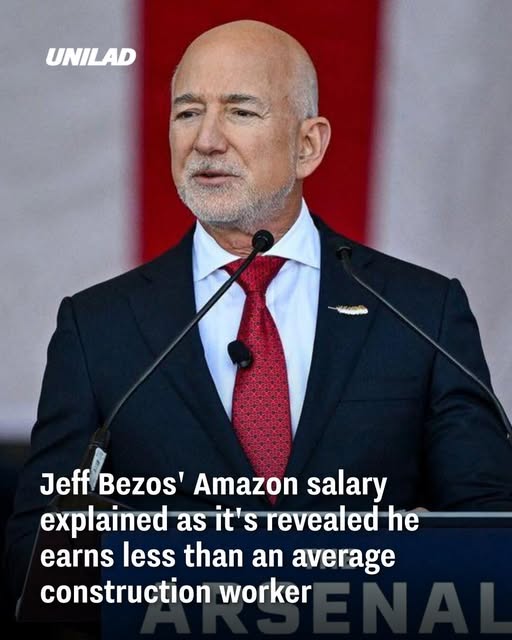
Despite being one of the richest people in the world, Jeff Bezos earns a surprisingly modest salary from Amazon. This unusual situation has recently sparked curiosity, with many people questioning how a billionaire can have such a low official income.
The $81,400 Salary Explained
Bezos has maintained an annual salary of around $81,400 since 1998, a figure that has barely changed for decades. This amount is relatively low compared to other CEOs, and in some cases, even lower than mid-level corporate salaries. The reason isn’t financial limitation—it’s a deliberate strategy. Bezos has consistently chosen not to increase his base pay or accept large cash bonuses.

Where His Real Wealth Comes From
The key to understanding Bezos’ earnings lies in ownership, not salary. Instead of relying on a paycheck, most of his wealth comes from his shares in Amazon. He owns a significant portion of the company—around 8%—which is worth hundreds of billions of dollars. As Amazon grows, so does the value of his stock. This means his wealth increases through long-term company performance rather than monthly income.
A Different Approach to Executive Pay
Bezos’ compensation model is very different from traditional executives. Many CEOs receive:
High base salaries
Large annual bonuses
Stock awards
Bezos, however, has largely avoided these. He once indicated that he didn’t feel the need for additional incentives because he already owned a large part of the company. This approach aligns his financial success directly with Amazon’s success, encouraging long-term growth instead of short-term gains.
Additional Perks and Costs
Although his salary is low, Amazon still covers certain expenses. Reports show that the company spends over $1 million annually on his security and travel. These costs reflect his global profile and the risks associated with being a high-profile billionaire rather than traditional compensation.
Why This Strategy Matters
Bezos’ pay structure sends a strong message about business philosophy. By keeping his salary low:
He avoids taking extra cash from the company
He reinforces long-term thinking
He aligns his interests with shareholders
This model is often seen in tech companies, where founders prioritize equity over salary.
The Bigger Picture
Even though his official salary seems small, it doesn’t reflect his actual financial power. Bezos’ net worth is estimated in the hundreds of billions, making him one of the wealthiest individuals globally. His case highlights an important distinction: income and wealth are not the same thing. A low salary doesn’t necessarily mean low earnings—it can simply mean wealth is generated in a different way.
Final Thoughts
Jeff Bezos’ modest paycheck may seem surprising at first, but it’s a strategic choice rather than a limitation. By tying his fortune to Amazon’s success, he benefits far more from the company’s growth than any traditional salary could provide.
Conclusion
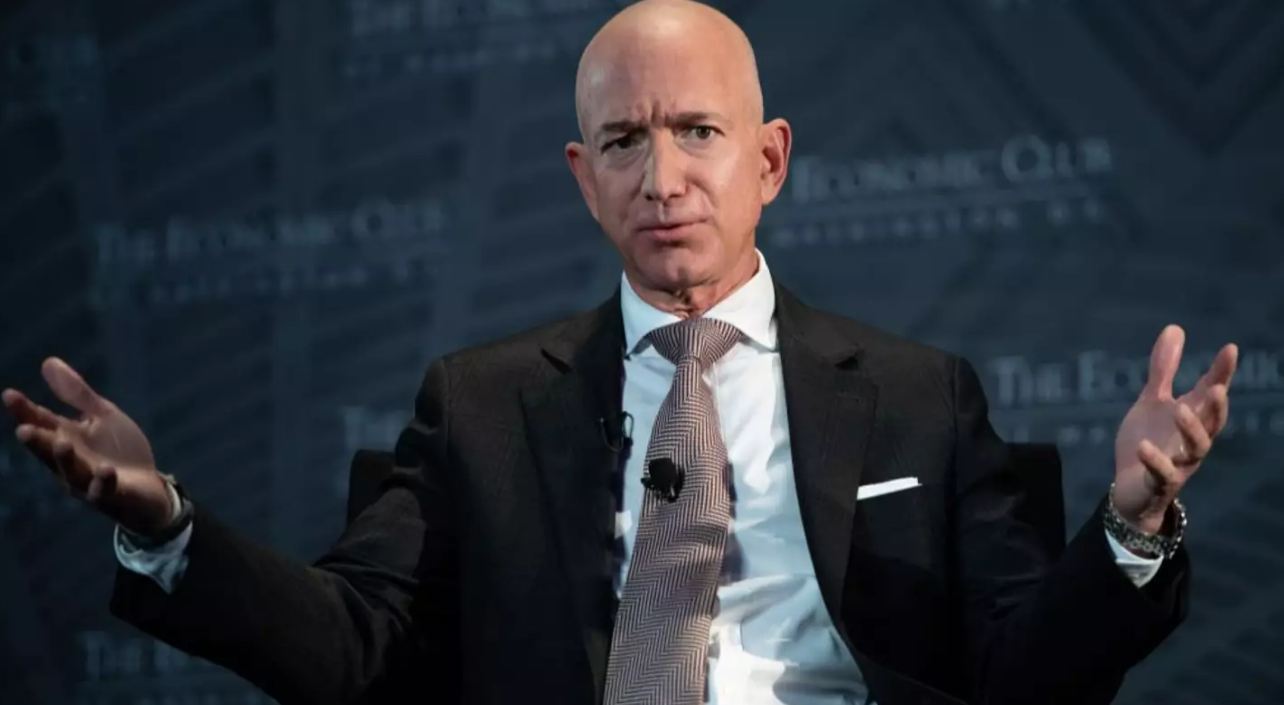
The case of Jeff Bezos highlights an important lesson about how wealth actually works at the highest levels. While his official salary from Amazon may seem surprisingly low, it represents only a tiny fraction of his overall financial picture. His real earnings come from long-term ownership and the increasing value of the company he built. This approach reflects a broader strategy often used by top entrepreneurs—prioritizing equity over income. Instead of focusing on a paycheck, Bezos benefits directly from the company’s success, meaning his wealth grows as Amazon expands. It also aligns his interests with shareholders, reinforcing a long-term vision rather than short-term profit. Ultimately, the situation shows that salary alone is not a true measure of financial success. In Bezos’ case, a modest annual income coexists with extraordinary wealth, proving that how money is earned can be just as important as how much is earned.