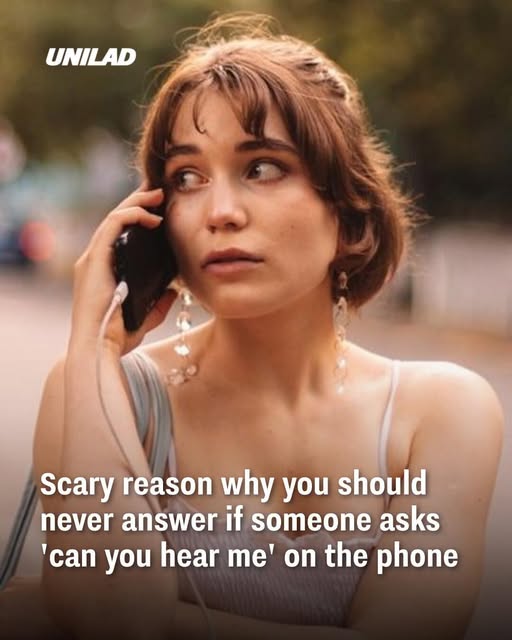
The “Can you hear me?” phone call is a widely discussed scam that has circulated online for years and recently resurfaced again. It typically starts with a simple call from an unknown number. When you answer, the caller asks a basic question like “Can you hear me?” or “Are you there?” designed to prompt a quick “yes” response.
The idea behind the warning is that scammers record your voice, especially the word “yes,” and later use it to authorize fraudulent charges or impersonate you. Some reports also claim the call is used to confirm that your number is active, making you a target for future scams.
Is It Actually Dangerous?
Here’s where things get important: experts say the situation is often exaggerated. Investigations have found little to no evidence that people have actually lost money directly from this specific “yes recording” method. In many cases, these calls are simply automated systems (robocalls) checking if a number is active. Once confirmed, your number may be added to lists for telemarketing or more serious scam attempts later. However, that doesn’t mean you should ignore the risk entirely. Even if this exact version is partly a myth, phone scams in general are very real and increasingly sophisticated.

How Modern Scammers Really Use Your Voice
While the original “say yes” scam is debated, newer threats make the situation more serious. Today, scammers can:
Record your voice during a call
Use AI to clone it
Impersonate you in calls to banks or family members
This kind of fraud is known as voice phishing (vishing) and is becoming more advanced with technology.
Some modern scams even create fake emergencies using cloned voices to pressure relatives into sending money.
Common Warning Signs
Even if the exact scam is unclear, there are clear red flags you should watch for:
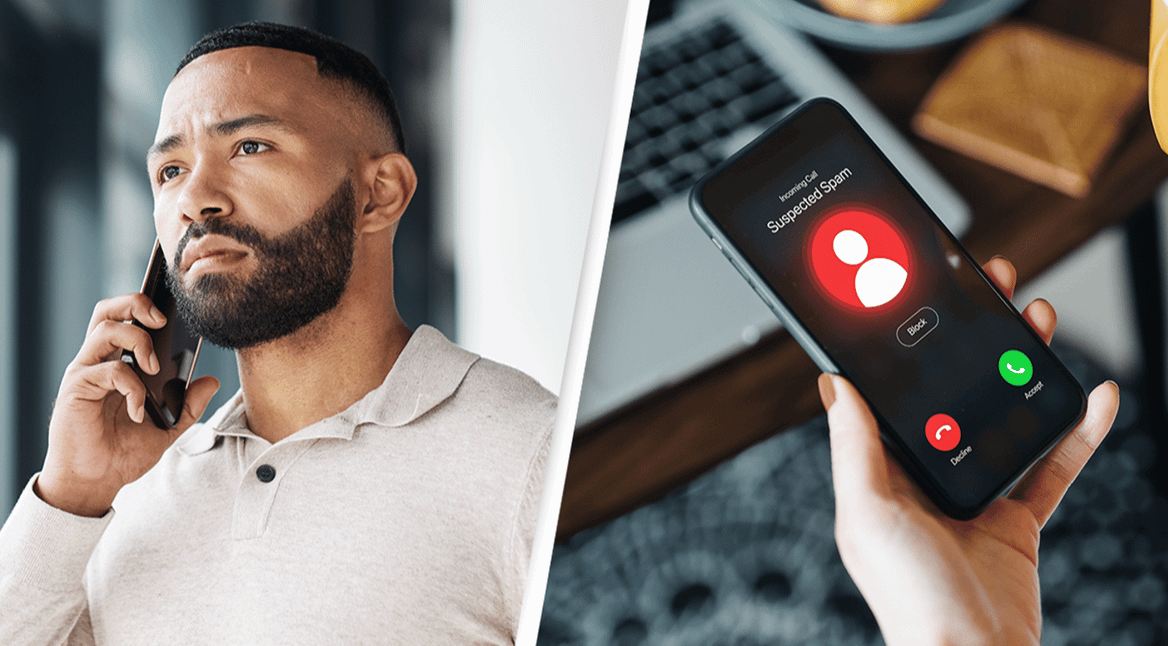
Calls from unknown or spoofed local numbers
Strange or vague opening questions
Pressure to respond quickly
Requests for personal or financial information
Scammers often rely on confusion and urgency to make you react without thinking.
How to Protect Yourself
The safest approach is simple and effective:
Don’t say “yes” to unknown callers
Hang up if something feels off
Avoid sharing personal information over the phone
Block suspicious numbers
Verify calls by contacting the company directly
Even if a call seems harmless, it’s better to be cautious.
Why This Scam Keeps Going Viral
The “Can you hear me?” story spreads quickly because it plays on a simple fear: that a single word could cost you money. Social media amplifies these warnings, even when evidence is limited. At the same time, real phone scams are evolving fast, especially with AI. That makes it harder for people to tell what’s true, exaggerated, or outdated.
Final Thoughts
The “Can you hear me?” scam sits somewhere between myth and reality. The exact claim about recording “yes” for charges is largely unproven, but the broader risk—phone scams and voice fraud—is very real. The key takeaway isn’t panic—it’s awareness. If you stay cautious, question unknown calls, and avoid sharing information, you’ll already be far ahead of most scam targets.