
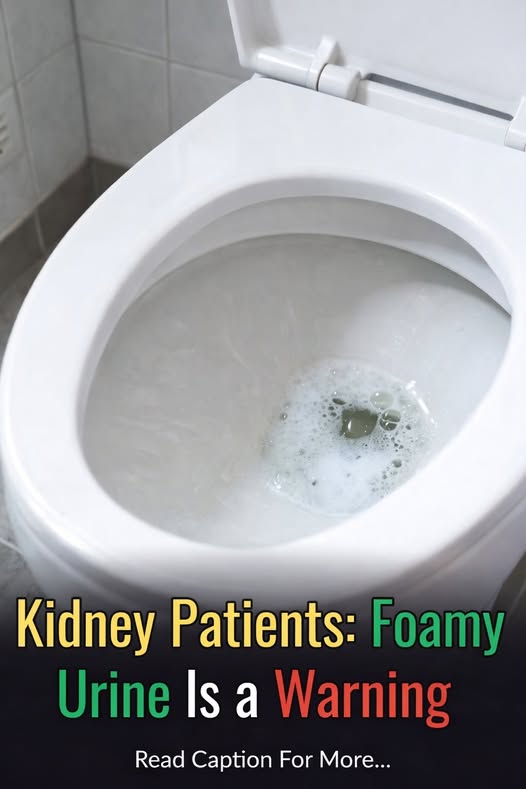
Seeing bubbles or foam in the toilet after urinating can be surprising, but it does not always mean something is wrong. In many cases, foamy urine happens for a simple reason: the urine stream is strong and hits the toilet water with force, creating bubbles that disappear quickly. This is one of the most common harmless explanations and can happen when your bladder is very full.
What matters most is whether the foam is occasional or persistent. Normal bubbles are usually larger, clearer, and vanish fast. Persistent foam, on the other hand, tends to look whiter, frothier, and may linger long enough that it takes more than one flush to clear. That is when it becomes worth paying closer attention. The article you shared highlights this same distinction, focusing on how repeated foam may deserve a second look rather than immediate panic.
Common Harmless Reasons Foamy Urine Happens
There are several everyday reasons urine may appear foamy without signaling a serious health issue. One of the biggest is rapid urination. If you have held your urine for too long, the stream may come out with extra force and trap air in the water, which creates temporary foam. Another common cause is dehydration. When you do not drink enough fluids, urine becomes more concentrated, and that can sometimes make it look frothier than usual. Darker yellow urine may also suggest dehydration. There is also a simple environmental explanation people often forget: toilet bowl cleaners or residue. Chemicals left in the toilet can react with urine and create extra bubbles. If you notice foam only in one bathroom and not another, the toilet itself may be the reason. This is one of the most practical clues because it helps separate a harmless bathroom issue from a possible body-related one.
When Foamy Urine Could Point to Protein in the Urine
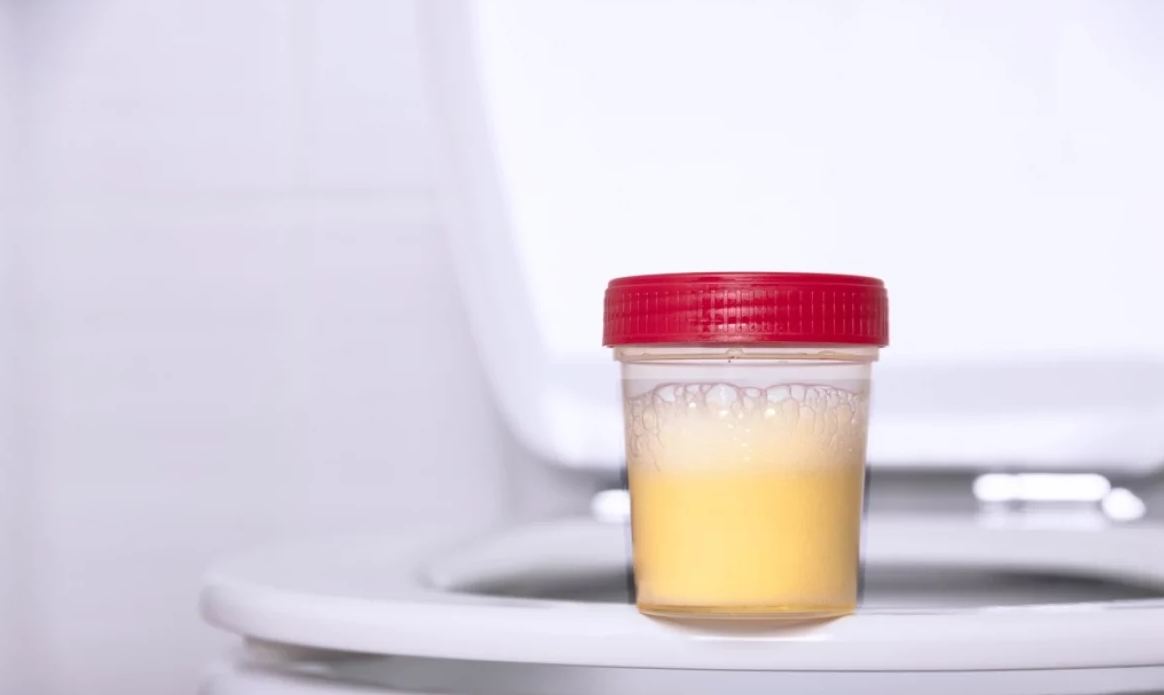
If foamy urine happens often or keeps getting worse, it can sometimes be linked to protein in the urine, a condition called proteinuria or albuminuria. Healthy kidneys usually keep protein in the blood, but if the kidneys’ filters are damaged, some protein can leak into urine. That extra protein can change the surface tension of urine and create bubbles or foam that last longer. Persistent foamy urine can be an early sign of kidney problems, though it is not a diagnosis by itself. Temporary protein in the urine can also happen after dehydration, fever, cold exposure, or strenuous exercise, so not every positive test means chronic kidney disease. Still, if the foam keeps happening, a simple urinalysis is the best way to find out whether protein is present.
Warning Signs You Should Not Ignore
Foamy urine becomes more important if it happens together with other symptoms. Medical guidance says to watch for swelling in the face, hands, feet, or ankles, unusual fatigue, nausea, appetite loss, cloudy urine, darker urine, or changes in how much you urinate. These can sometimes appear when kidney function is affected or when fluid balance changes in the body. If you notice blood in the urine, strong pain, fever, or persistent swelling, that should not be ignored. While bubbles alone can be harmless, bubbles plus other symptoms are a stronger reason to get checked.
What You Can Do Right Away
Start with the simplest step: drink more water for a few days and watch whether the foam improves. Also notice whether it happens only after holding your urine too long or only in one specific bathroom. If it keeps happening, the best next move is to ask for a urinalysis, which can check for protein and other abnormalities quickly. The key message is simple: occasional bubbles are common, but persistent foamy urine deserves attention, especially if other symptoms appear.