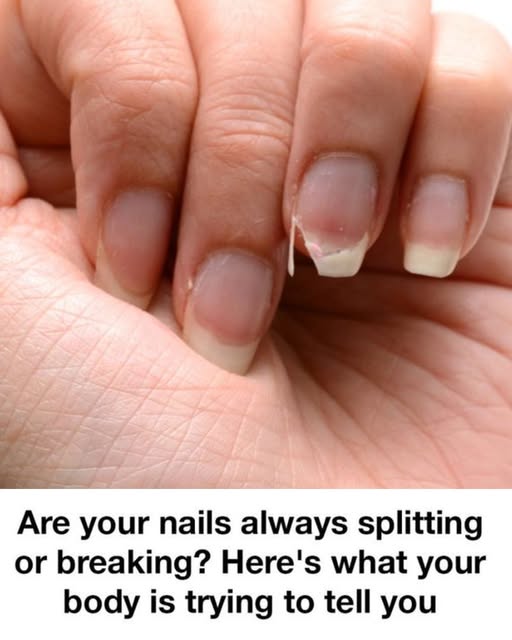
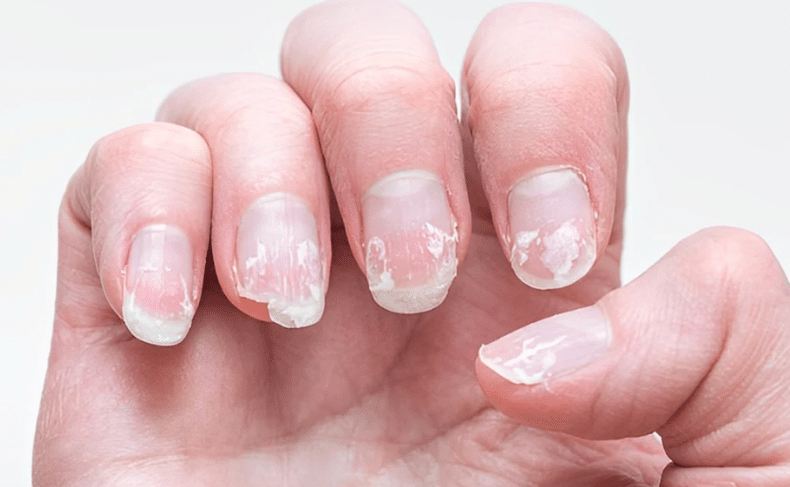
Brittle nails medically known as onychoschizia are nails that split, crack, peel, or break easily. This condition can affect fingernails or toenails and ranges from a purely cosmetic concern to something that points to underlying health issues. Nails are made mostly of keratin, a strong protein also found in hair and skin. When nails don’t get enough moisture or are exposed to repeated stress, the keratin layers can separate, making nails fragile and prone to breaking.
1. Moisture Imbalance: Too Dry or Too Wet
Your nails depend on a delicate balance of moisture. When they lose too much water — for instance from frequent handwashing or constant contact with water — they can become brittle and dry. Conversely, nails that stay too wet for too long may absorb excess water and peel or soften. This is one of the most common causes and is often linked to everyday activities like washing dishes or exposure to detergents.
2. Aging
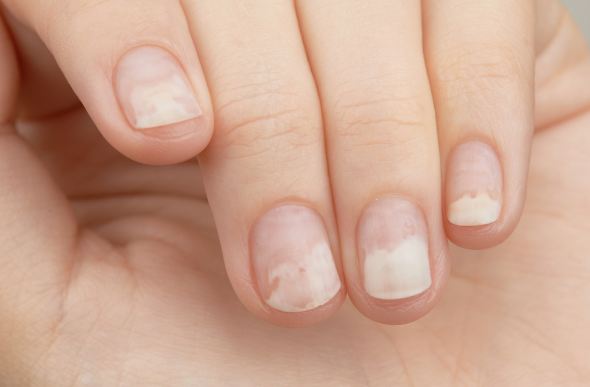
As people get older, nails naturally change. They tend to grow more slowly and become thinner and more susceptible to breakage. This change is a normal part of aging and doesn’t automatically signal disease — but it can make brittle nails more likely.
3. Fungal Infections
Fungal infections can make nails thick, discolored, brittle, and crumbly. Unlike simple dryness, these infections often cause nails to yellow and thicken, and they may require antifungal treatment to resolve.
4. Nutritional Deficiencies
Certain nutrient shortages in the body are linked to weak, brittle nails. Common examples include:
- Iron deficiency — low iron is associated with brittle nails and can accompany anemia.
- Zinc deficiency — linked to white spots or weak growth.
- Protein deficiency — nails are made of keratin, a protein, so not getting enough protein affects nail strength.
- Eating a balanced diet with adequate vitamins and minerals often helps improve nail health over time.
5. Thyroid and Hormonal Conditions
Thyroid disorders — like hypothyroidism (underactive thyroid) — can affect nail texture and strength. In addition to brittle nails, other symptoms of thyroid issues can include fatigue, hair thinning, weight changes, and dry skin.
6. Circulation Problems
Conditions that reduce blood flow to the hands, such as Raynaud’s syndrome, can also lead to brittle or weak nails. Poor circulation means less nutrient delivery to the nail bed, making nails more prone to breakage.
7. External Trauma and Nail Care
Poor nail habits can contribute to brittleness:
- Frequent manicures, especially with harsh removers
- Excessive filing or buffing
- Nail biting or using nails as tools
- Constant exposure to chemicals
These factors can weaken nails over time.
8. Environmental Stressors
Cold, dry weather can exacerbate brittleness by drying out nails and skin. Similarly, environments with low humidity tend to increase nail cracking and splitting.
9. Medications and Medical Treatments
Some medications — including certain chemotherapy drugs and others that affect cell turnover — can cause nails to become brittle or change texture. If you’re on medication and notice sudden changes, consult your healthcare provider.
10. Underlying Health Conditions
Sometimes brittle nails reflect systemic health issues beyond nutritional deficiency, such as:
- Nail psoriasis
- Eczema
- Diabetes
- Liver or kidney disease
- Although these causes are less common, nail changes paired with other symptoms (like fatigue, skin changes, or joint pain) may indicate the need for medical evaluation.
How to Improve Brittle Nails
Here are several helpful steps that experts recommend:
Daily care and protection:
- Wear gloves for cleaning or dishwashing.
- Moisturize your hands and nails regularly.
Gentle grooming:
- Keep nails short and file gently in one direction.
- Avoid biting or picking at nails.
Consider supplements:
- Some dermatologists suggest biotin or other nutrients if you’re deficient — but speak with your doctor first.
Address underlying health issues:
- Treat anemia, thyroid imbalance, or fungal infection as needed under medical care.
When to See a Doctor
Most brittle nails do not indicate serious disease. But if changes are sudden, severe, or accompanied by other symptoms (like skin rash, color change, or pain), it’s worth seeking medical advice to rule out underlying health conditions.