Greater burdock root (Arctium lappa) is a plant long used in traditional medicine across Asia and Europe. While it is not a proven cure for cancer, interest in this root has grown in recent years due to research suggesting it may offer complementary health benefits, particularly for people undergoing cancer treatment or supporting overall wellness.
What Is Burdock Root?
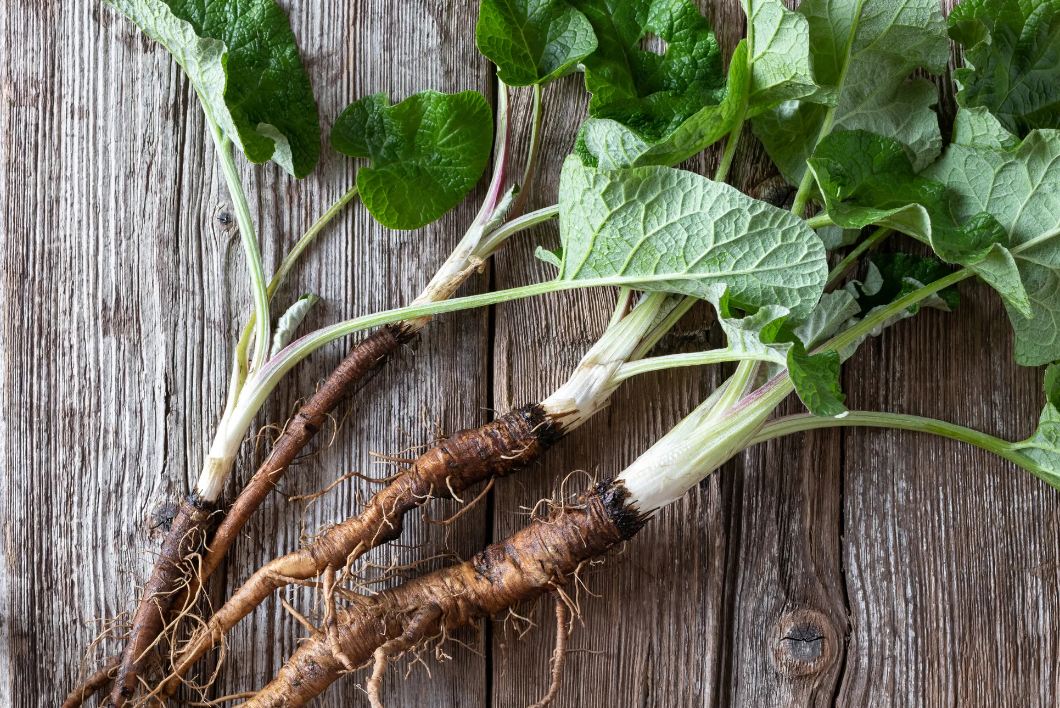
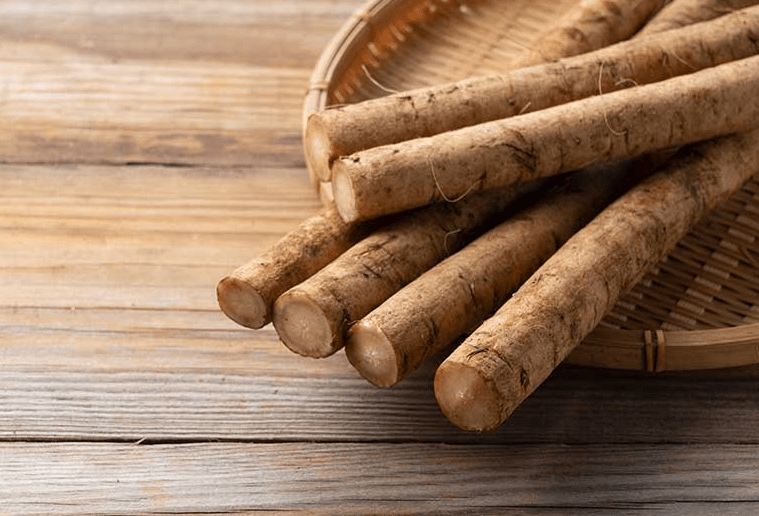
The burdock plant grows wild in many regions and has a long, tapering root that has been used for centuries as both food and herbal medicine. The root contains a range of bioactive compounds, including antioxidants like flavonoids and phenolic acids, prebiotic fiber, and lignans—plant chemicals that may help protect cells from damage. In Asia, burdock root is commonly eaten as a vegetable and is also used to make teas, tinctures, capsules, and other herbal products.
Antioxidant and Anti-Inflammatory Effects
One of the key reasons burdock root is studied is because of its antioxidant content. Antioxidants help neutralise free radicals—unstable molecules that can damage cells and contribute to chronic diseases, including cancer. Some lab studies show that these antioxidants can reduce oxidative stress, which may help protect healthy cells. Burdock also appears to have anti-inflammatory properties, which could be beneficial since chronic inflammation is linked to cancer progression and other health issues. Reducing inflammation may support overall recovery and wellness, though more research is needed in humans.
Possible Anti-Cancer Activity in Laboratory Studies
Early scientific studies—mostly conducted in test tubes or on animals—suggest that certain compounds in burdock root, such as arctigenin, may slow the growth of cancer cells. For example:
- Laboratory research found that arctigenin could inhibit tumour growth and induce apoptosis (programmed cell death) in cancer cells.
- Some studies have tested burdock extracts against lines of cancer cells and found that they slowed metastasis and reduced cell proliferation.
- However, these findings are preliminary, and there is no strong evidence yet from human clinical trials to confirm that burdock root can treat or cure cancer in people. Experts emphasise that these laboratory results cannot be directly translated into real-world therapeutic effects without further research.
Supporting Overall Health and Well-Being
Beyond its possible anti-cancer properties, burdock root may support health in other ways:
- Digestive Health: Burdock is rich in inulin, a prebiotic fiber that supports healthy gut bacteria, which in turn influences immunity and overall well-being.
- Detoxification: Traditional herbalists use burdock to support liver and kidney function, which are vital for filtering toxins and helping the body cope with stressors, including medications.
- Immune Function: Some studies suggest that burdock root components may help stimulate immune responses, although robust clinical evidence is limited.
- It is also included in some herbal blends, such as Essiac tea, that are promoted for immune support and detoxification. These blends combine burdock with other herbs, but their cancer-related effects remain scientifically unproven.
Important Cautions
While burdock root is generally considered safe when consumed as food or tea, it can have side effects for some people and may interact with medications. For example:
- Products may be contaminated with toxic plants like belladonna if not sourced properly.
- Burdock may cause allergies or digestive discomfort in sensitive individuals.
- Pregnant or breastfeeding women, and people with serious medical conditions, should consult a healthcare professional before use.
Conclusion: Complementary Support, Not a Replacement
Greater burdock root shows promise as a supportive herbal remedy with antioxidant, anti-inflammatory, and potential immune-enhancing properties. However, it should not be relied upon as a sole treatment for cancer. Current scientific evidence does not support its use as a substitute for standard cancer therapies like chemotherapy, radiation, or surgery. People interested in herbal support during cancer treatment should always discuss it with their doctor or medical team to ensure safety and avoid interactions with conventional therapies.