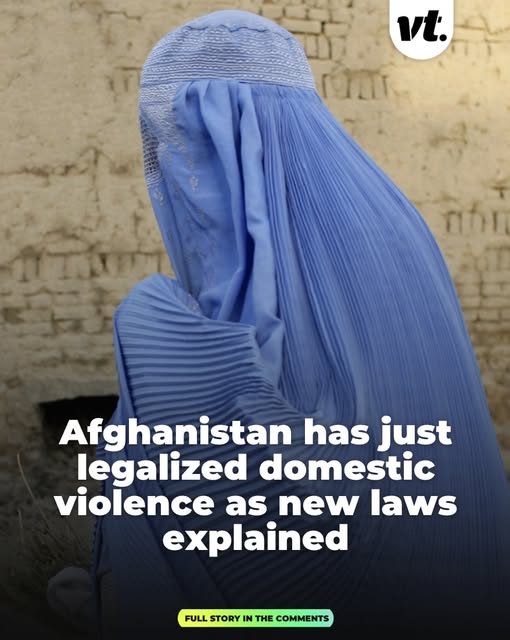
A controversial new penal code passed by the Taliban in Afghanistan has sparked global condemnation after effectively legalising domestic violence against women and children under specified conditions. The 90-page criminal code, signed by the group’s supreme leader Hibatullah Akhundzada, alters the country’s legal landscape in a way that many rights advocates say institutionalises abuse and removes critical protections previously afforded to vulnerable citizens.
Critics argue the legislation represents a dramatic rollback of women’s rights and reflects a broader pattern of restrictions imposed by the de facto rulers since they returned to power in 2021.
What the Penal Code Permits
Under the provisions of the new law, husbands are permitted to physically discipline their wives and children as long as the violence does not cause “broken bones or open wounds.” In such cases, the abuse is not treated as a serious criminal offence, effectively allowing beatings and other forms of physical punishment within the family to be considered lawful conduct. The legislation also repeals Afghanistan’s 2009 Elimination of Violence Against Women (EVAW) law, which was enacted under the previous government and criminalised various forms of gender-based abuse. With its removal, many legal avenues for women to seek justice have disappeared. Even in circumstances where an alleged victim can demonstrate visible injury, the maximum penalty for a husband found guilty of using “obscene force” is reportedly limited to 15 days in prison, a punishment human rights groups say is wholly inadequate given the severity and frequency of domestic violence cases.
Legal Barriers to Justice
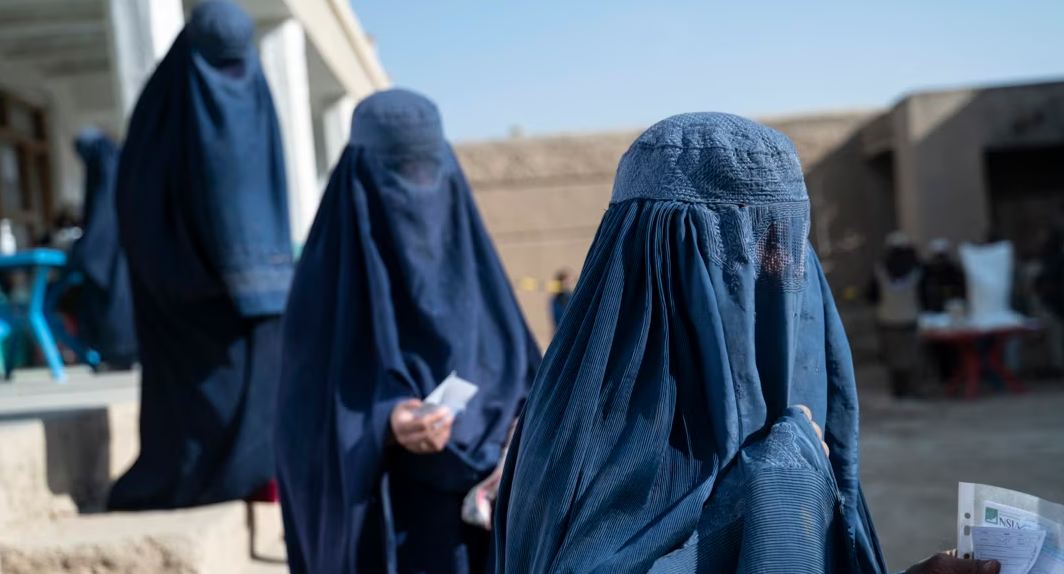
The new code places significant burdens on victims seeking legal redress. Women must appear in court fully veiled and be accompanied by a male guardian — often the very person they are accusing — in order to present evidence of injury. These requirements create near-insurmountable obstacles for many victims, particularly in rural areas or under strict interpretations of Taliban regulations on women’s conduct in public. The law also fails to criminalise psychological or sexual violence explicitly, leaving broad gaps in protections for victims. Rights advocates warn that this omission further entrenches a legal framework in which domestic abuse can occur with impunity.
Hierarchy of Justice and Social Status
In addition to reshaping domestic violence laws, the new penal code formalises a stratified system of justice that applies different standards depending on an individual’s perceived social status. Article 9 of the code introduces classifications ranging from religious scholars and elites to middle and lower classes. Penalties for the same crime can vary dramatically based on these classifications, with religious leaders often receiving little more than “advice” for serious offences. Human rights organisations have described this structure as a form of institutionalised inequality that undermines the principle of equality before the law.
National and International Response
Human rights defenders and international organisations have reacted with alarm to the penal code, describing it as a regression in legal protections and a dangerous precedent for human rights in Afghanistan. The exiled Afghan group Rawadari has urged the United Nations and other global bodies to intervene and halt the code’s implementation, arguing that it legitimises “abuse, maltreatment, and punishment” of women and children. Outside observers have noted that the new law has emerged against a backdrop of increasing restrictions on Afghan women and girls. Since the Taliban takeover, women have been increasingly barred from education, employment, and independent movement, leading to what some international advocates call a deepening crisis in gender equality.
Broader Implications for Afghan Society
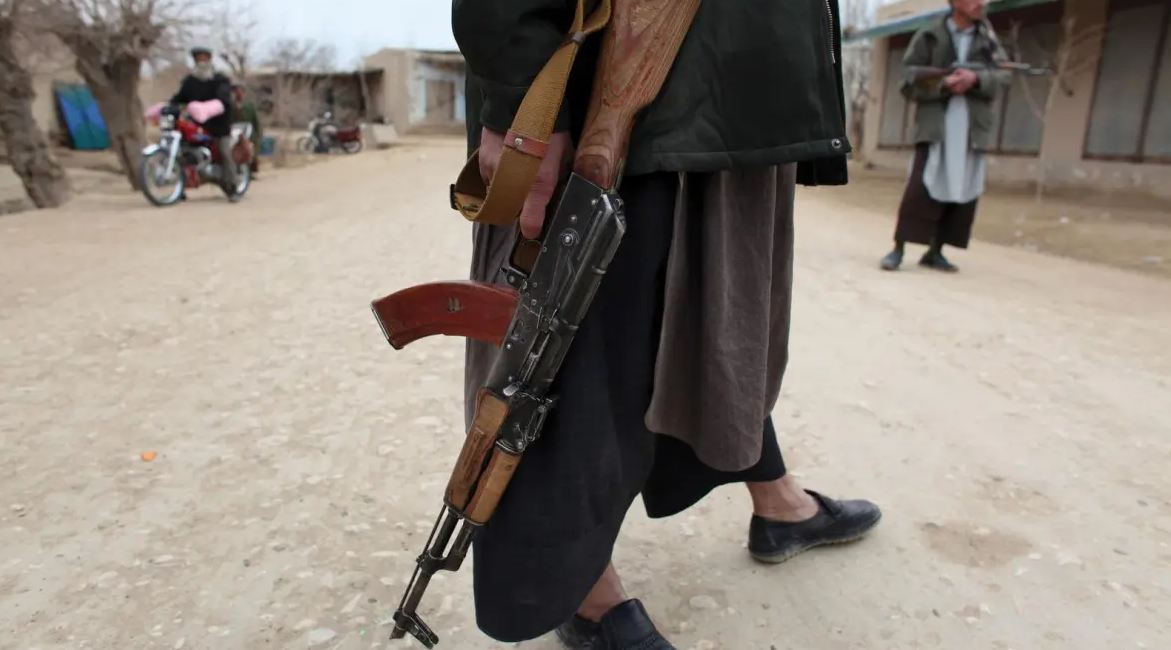
Supporters of the penal code within Afghanistan’s ruling establishment claim the law reflects cultural and religious norms and restores traditional authority structures. However, critics argue it entrenches systemic discrimination and exposes women and children to greater risk of violence with little hope of legal protection. As the law comes into effect, international pressure is likely to increase on the Taliban to revisit or amend the code. For the time being, though, the legislation stands as one of the most significant setbacks for women’s rights in Afghanistan in years — a development that could have lasting implications for the safety and autonomy of millions of citizens.