
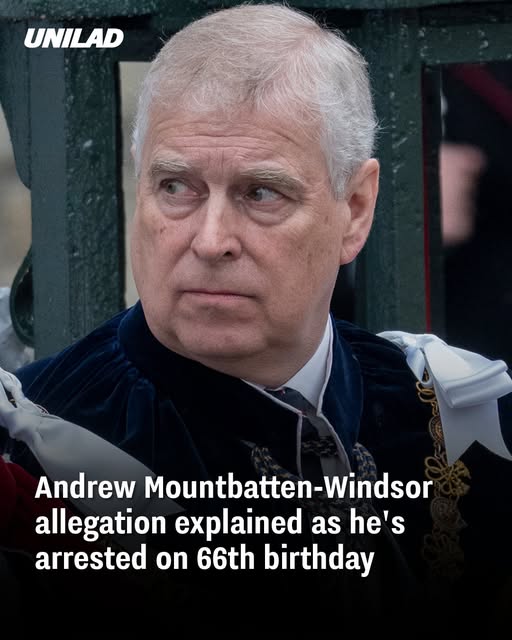
Andrew Mountbatten‑Windsor, formerly known as Prince Andrew, was arrested on Thursday, 19 February 2026 on suspicion of misconduct in public office. The arrest occurred at his home on the Sandringham estate in Norfolk, where he was reportedly celebrating his 66th birthday when police entered and took him into custody. Thames Valley Police confirmed that a man in his sixties had been arrested in connection with an ongoing criminal investigation, and that officers were conducting searches at addresses in both Norfolk and Berkshire.
The former royal, who has long been the subject of controversy, remains in police custody as the investigation continues. At this time, charges have not been formally filed, and authorities have emphasized that the details of the alleged misconduct are unclear.
What “Misconduct in Public Office” Means
The allegation of “misconduct in public office” is a serious criminal offence under UK law. It applies when someone entrusted with public responsibilities abuses or neglects their position in a significant way. The offence is considered grave and can only be tried in a Crown Court. If convicted at the most severe level, it carries a potential sentence of life imprisonment, although in practice sentences vary widely based on the specifics of the case. In this instance, the police are investigating whether Mountbatten-Windsor acted improperly during his tenure as a UK trade envoy, a role he held between 2001 and 2011. The inquiry centres on allegations that he shared confidential government documents and sensitive information with the convicted sex offender Jeffrey Epstein. These claims emerged after extensive legal releases of internal files tied to Epstein, raising questions about whether Mountbatten-Windsor forwarded travel reports and official evaluations to Epstein, despite his duty to maintain confidentiality.
Search of Properties and Ongoing Custody
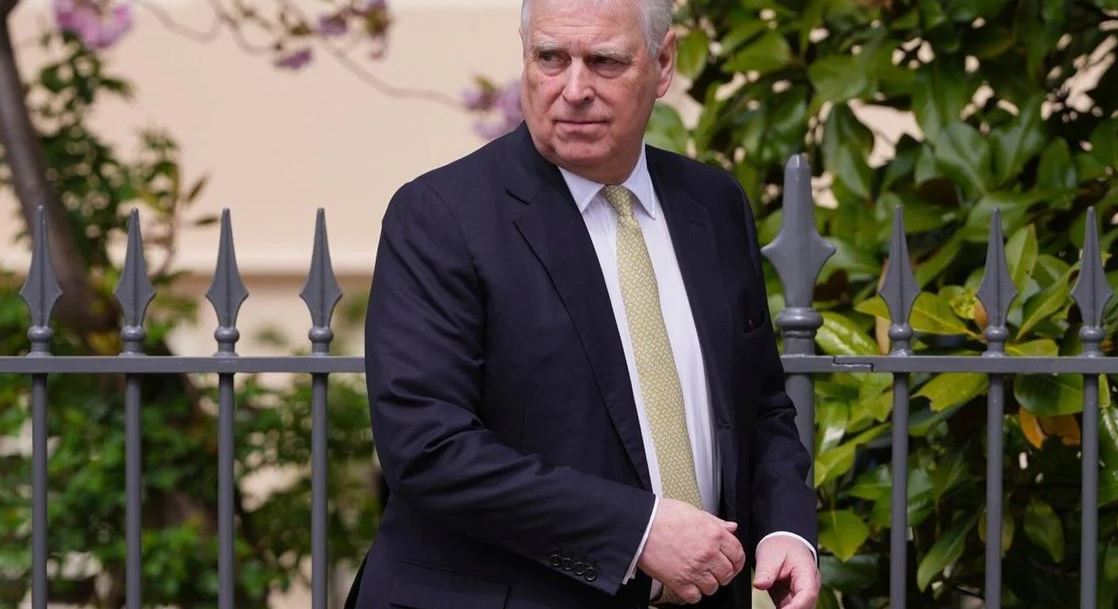
After the arrest, police reportedly carried out searches at multiple properties linked to the former prince. Besides his current residence at Wood Farm on the Sandringham estate, officers are believed to have searched his previous home, Royal Lodge, in Windsor. These actions are part of the broader investigation into his conduct when acting in an official capacity. Authorities have not publicly revealed the specifics of what evidence they are pursuing, but the decision to detain Mountbatten-Windsor and search multiple locations indicates a significant phase in the inquiry.
Legal and Public Implications
The arrest represents a historic moment, as Mountbatten-Windsor becomes one of the most senior members of the British royal family in modern times to be arrested in connection with alleged criminal activity. Legal experts note that the public office misconduct charge is broad and may encompass a variety of actions, but it underscores the seriousness with which the police are approaching the case. Despite the gravity of the situation, Mountbatten-Windsor has steadfastly denied any wrongdoing. He has previously faced intense scrutiny over his association with Epstein and related legal issues, including a civil settlement in the United States that he entered without admitting liability.
Next Steps in the Investigation
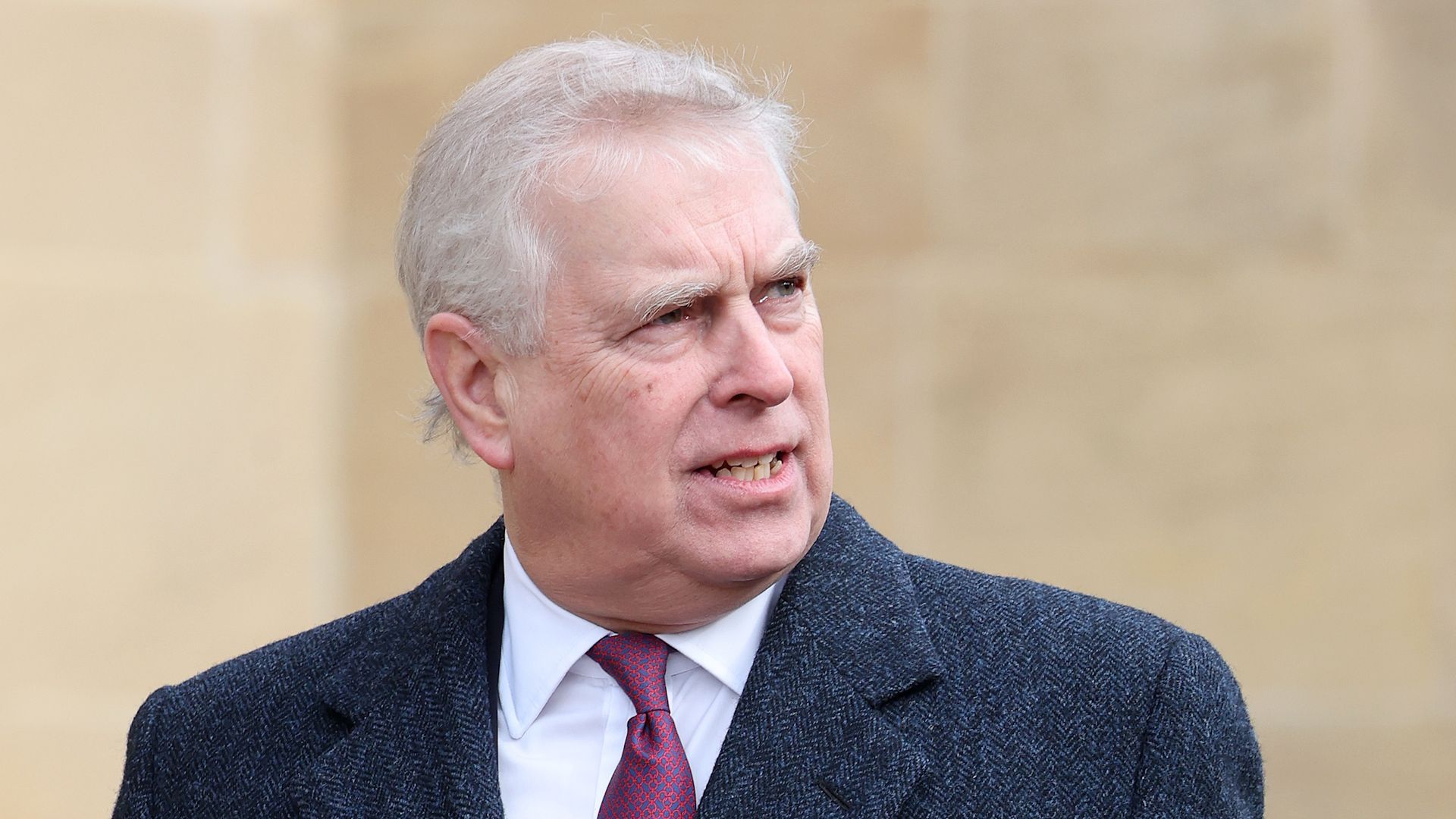
As the case unfolds, investigators will likely continue questioning Mountbatten-Windsor and reviewing evidence gathered during searches. Police have discretion to hold suspects in custody for up to 24 hours, extendable in complex cases, as they decide whether formal charges are appropriate. The development has sparked widespread public interest, given the former prince’s history and high profile. While the legal process now takes precedence, observers are watching closely to see how the investigation proceeds and what it could mean for the reputation of a once-prominent member of the royal family.