

Public interest has once again intensified around the names of Hillary Clinton, Donald Trump, and Jeffrey Epstein, following renewed discussion of past associations and political claims. The issue has resurfaced amid ongoing public scrutiny of Epstein’s connections to influential individuals, reigniting debate across political and social circles.
Although Epstein died in 2019 while awaiting trial, interest in his social network has never fully disappeared. Each new disclosure, court document, or political statement related to his past has the potential to dominate headlines and revive long-standing controversies.
Claims, Counterclaims, and Political Tensions
Recent commentary has focused on allegations and responses involving both major political parties. Supporters and critics alike have pointed to historical photographs, flight records, and social interactions in an effort to support competing narratives. Some argue that past social proximity has been exaggerated for political gain, while others insist that transparency remains essential given the seriousness of Epstein’s crimes. The renewed debate reflects broader political tensions in the United States, where allegations are often interpreted through partisan lenses. In this environment, even indirect or decades-old associations can become tools in modern political conflicts, regardless of whether they resulted in proven wrongdoing.
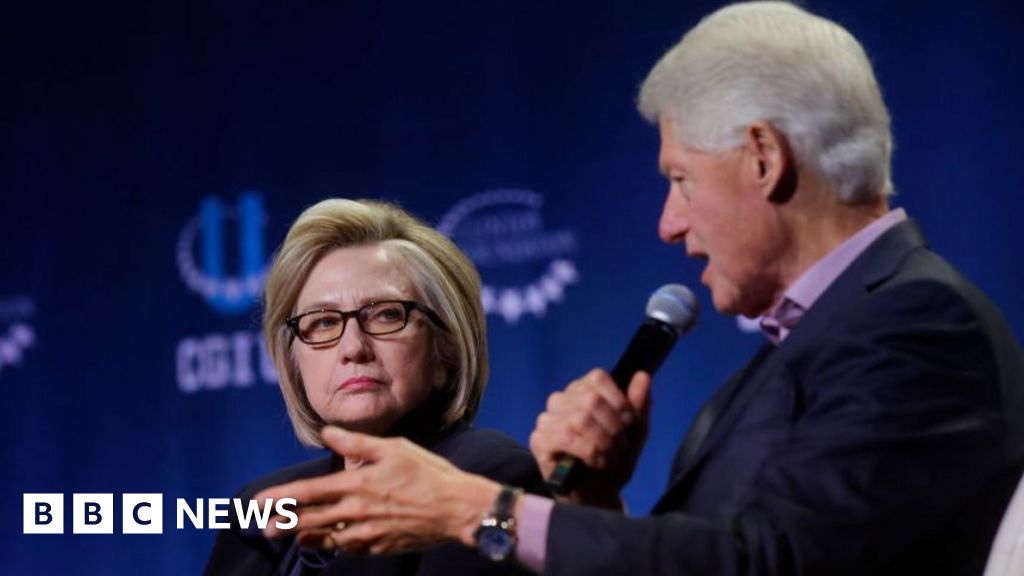
Public Statements and Denials
Both political figures have, at different times, addressed questions about Epstein. Statements have emphasized limited contact, lack of close relationships, or complete rejection of any improper behavior. These responses have been echoed by representatives and allies, who argue that mere association does not imply guilt. At the same time, critics argue that powerful individuals have historically benefited from a lack of accountability, calling for full disclosure of records and testimonies connected to Epstein’s activities. This has led to growing demands for the release of additional documents and clearer explanations from those named in public discussions.
Media Coverage and Public Reaction
Media coverage has played a significant role in sustaining interest in the story. Social media platforms, in particular, have amplified speculation, allowing fragments of information to spread rapidly. This has resulted in a mix of verified facts, opinions, and unproven claims circulating simultaneously. For the public, distinguishing between substantiated reporting and political rhetoric has become increasingly difficult. As a result, reactions often range from outrage and suspicion to fatigue and skepticism. Many observers express frustration that Epstein-related stories continue to resurface without delivering definitive conclusions.
Broader Implications for Accountability
Beyond individual names, the controversy highlights broader concerns about power, privilege, and accountability. Epstein’s ability to maintain relationships with influential figures has become a symbol of systemic failures that allowed his actions to continue for years. Advocates for reform argue that the focus should remain on preventing similar abuses in the future. They emphasize stronger oversight, greater transparency, and protections for victims, rather than endless political point-scoring.
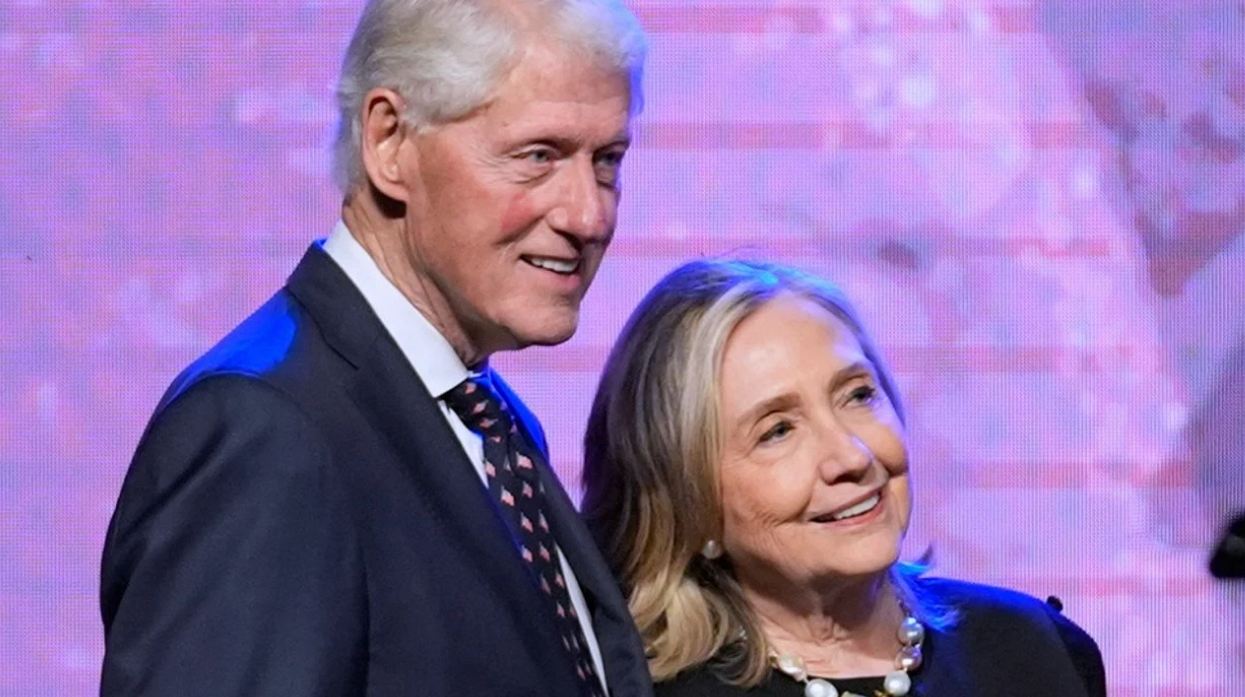
An Ongoing Public Debate
As discussions continue, it is clear that Epstein’s legacy remains deeply intertwined with questions about elite influence and justice. Whether new information will lead to meaningful change remains uncertain. What is certain, however, is that the public conversation surrounding these figures is unlikely to fade anytime soon, as calls for clarity and accountability persist.